by Maui Sunriders | Jul 31, 2025 | Blog
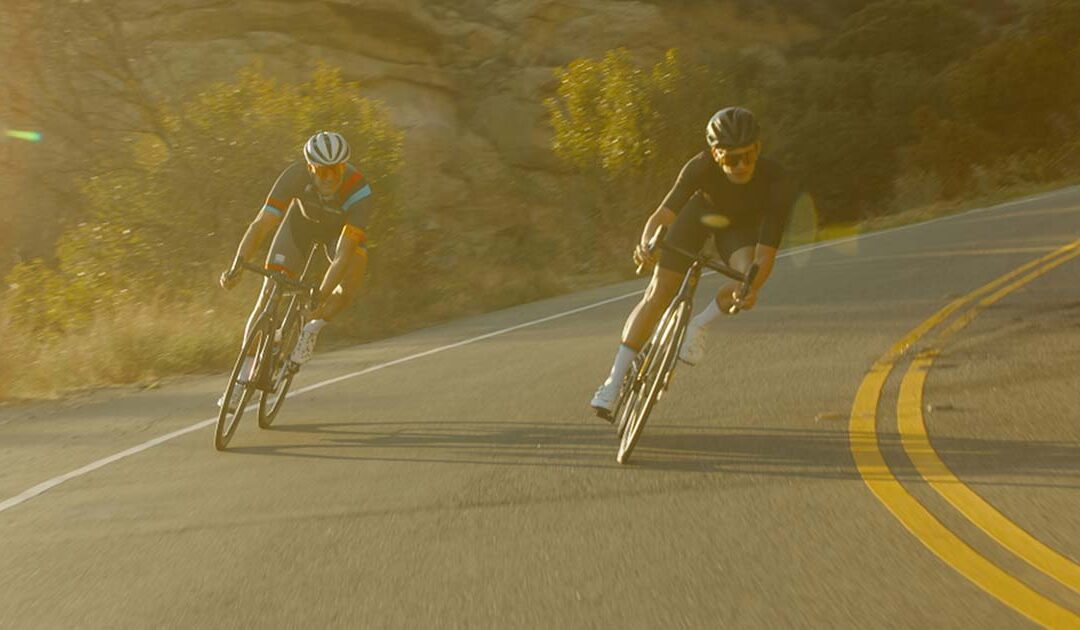
Maui is more than just a postcard-perfect island; it’s a road biker’s dream come true. With its sweeping coastal views, volcanic terrain, and rural backroads, Maui is an ideal destination for road biking.
This guide highlights the best road bike routes on Maui, providing essential information on safety, gear, weather, and planning to help you make the most of your island ride.
Things to Know Before Road Biking on Maui
Before you clip in and take off, it’s essential to understand the unique conditions of biking on Maui. From changing weather to narrow roads, a little preparation can go a long way toward a smooth and enjoyable ride.
Road Conditions and Terrain
Maui’s roads vary dramatically depending on the region. Coastal roads are often well-paved but narrow, while mountain routes can be rough and steep.
The shoulders on some highways are minimal, primarily on scenic routes like the Hana Highway and West Maui Loop. Expect hills—lots of them—and prepare for climbs that test your endurance.
Weather and Wind Considerations
Maui’s weather changes quickly. The leeward side (Kihei, Lahaina) tends to be hot and dry, while the windward side (Hana, Haʻikū) is wetter and more humid. Trade winds blow strongest in the afternoons, especially on the north and east coasts, so morning rides are ideal.
At higher elevations, such as Haleakalā, temperatures drop rapidly, so bring layers.
Safety Tips and Bike Laws in Hawaii
Hawaii has laws and customs specific to biking:
- Ride as far to the right as practicable in a single file.
- Helmets are required for riders under 16 (strongly recommended for all).
- Use hand signals and obey traffic laws.
- Use lights and reflectors when riding before sunrise or after sunset.
Watch for local drivers unfamiliar with cyclists and be cautious on blind curves and narrow roads.
What to Bring for a Maui Road Ride
Essentials include:
- Plenty of water and electrolytes
- Sunscreen and UV-protective clothing
- Flat tire repair kit and bike tools
- ID, cell phone, and a downloaded offline map
- Light windbreaker or thermal jacket (for mountain descents)
Top Road Bike Routes on Maui
Below are five of the best road bike routes on Maui, offering a mix of coastal cruising, mountain climbs, and cultural sightseeing.
1. West Maui Loop
- Distance: 60 miles (4,400 ft elevation gain)
- Highlights: Ocean views, rolling hills, scenic cliffs
- Difficulty: Advanced
The West Maui Loop is legendary. Starting and ending in Lahaina, this route circumnavigates the West Maui Mountains, offering panoramic ocean vistas, rugged cliffs, and serene stretches through rural towns.
Be prepared for steep climbs and narrow roads near Kahakuloa—this section demands full attention. Most riders go clockwise to avoid being on the cliff-side of the road.
Beginning at the parking lot of Foodland, begin a gentle descent toward Ma’alaea and round the turn into Lahaina. Stay alert as you ride along the busy highway for about 30 miles. Near Kapalua, the road narrows and climbs through this 20-mile stretch of beautiful northwest coastline. At mile 43, descend into Kahakuloa.
Tip: Stop at Lorraine Shave Ice in Kahakuloa for their famous banana bread and refill your water
Take on the 1,200-foot climb before finishing your trip with a long descent into Wailuku.
2. Haleakalā Summit Ride
- Distance: 36 miles uphill (10,023 ft elevation gain)
- Highlights: Volcano summit, epic descent
- Difficulty: Expert
An actual bucket-list climb, the Haleakalā Summit Ride takes you from sea level in Paia to the summit of the dormant volcano, reaching over 10,000 feet. It’s one of the longest paved climbs in the world. On clear days, you can view Mauna Kea and Mauna Loa on the Big Island. Thin air, high winds, and cold temperatures at the summit make it a challenge only for experienced riders.
Start your Haleakalā climb from Lower Paia Park, right by the beach with clear views of the volcano. The first 7 miles ascend 1,800 feet to Makawao. At the T-intersection, go straight up a steep pitch on Olinda Rd, then turn right after a mile onto Hanamu Rd—don’t continue up Olinda, as it leads to an unnecessary 6-mile detour.
After a brief break on Hanamu, bear left at two forks to reach Haleakalā Highway. Ride 5 miles through Kula and turn left toward the national park. From Crater Rd, it’s 22 miles to the summit. At 7,000 feet, you’ll enter the park ($15 fee or free with a pass). We recommend refilling your water at the Visitor Center. The final 10 miles include a steep last half mile to the true summit.
Don’t forget to pack warm layers for the thrilling descent. We recommend at least having gloves, arm and leg warmers, and a light windbreaker.
Heads-up: While it may be sunny at the summit, the weather below the clouds is unpredictable, with fog, mist, and rain.
3. Kihei to La Perouse Bay
- Distance: 22 miles round trip (1,200 ft elevation gain)
- Highlights: Coastal views, lava fields, relaxed pace
- Difficulty: Beginner
Start your ride beachside along South Kihei Road, cruising the flat, scenic stretch with ocean views to your right. Although there’s a designated bike shoulder, this is a high-traffic area—stay alert and ride cautiously.
About 5 miles in, you’ll roll into Wailea, where the terrain starts to shift into gentle hills. We’ve included a few optional detours to guide you through the peaceful neighborhoods of Wailea and Makena. These short side routes are a great way to escape the main road and enjoy quieter, more picturesque surroundings.
Around the 7-mile mark, traffic begins to thin and the road narrows as you head toward La Perouse Bay. You’re now riding across some of the youngest land on Maui, home to ancient Hawaiian sites and rugged lava fields. Along the way, you’ll pass several great swimming beaches and a few local food trucks—perfect for a mid-ride break or a spot to return to later with the family.
Heads-up: While the road is fully paved, the last mile leading to La Perouse is in rough shape. If you’re on a road bike, we suggest turning back when the pavement starts to break down to avoid a very bumpy two-mile out-and-back. But if you’re feeling adventurous—and have a spare tube, go for it!
Once you’re ready, retrace your route and cruise back to our Kihei shop to complete your ride.
4. Makawao Figure 8 Cycling Route
- Distance: 40 miles (4,500 ft elevation gain)
- Highlights: Rolling hills, cooler temps, local farms
- Difficulty: Advanced
Begin your ride in Paia with a 7-mile, 1,700-foot climb up Baldwin Avenue to Makawao. Continue straight through town and up a short, steep pitch before turning right onto Hanamu Road. Keep left at the forks to join Haleakalā Highway and climb another 6 miles to reach Kula, the route’s high point at just under 4,000 feet.
Enjoy a well-earned descent: turn right onto Kula Highway, then quickly right again onto Lower Kula Road for quieter, more scenic riding. Take a break at Harold Rice Park or stop by one of the food spots along the way. Lower Kula Road briefly rejoins the highway, then splits again—take the side road for better views and less traffic.
Tip: For the beer drinkers, we recommend trying Mahalo Aleworks located along Aapueo Parkway.
At mile 24.5, turn right on Makawao Avenue to return to your earlier intersection. From here, descend via Kaupakalua Road through Haiku. Watch for a sharp hairpin at mile 28.5. Turn left onto E Kuiaha Road for a peaceful, winding descent, followed by another left at the stop sign.
Cruise through downtown Haiku, then follow the road back to Hana Highway. Turn left and enjoy a mostly downhill ride with potential tailwinds back to Paia.
5. Tour of Haiku – Paia Bike Route
- Distance: 15 miles (1,300 ft elevation gain)
- Highlights: Rainforest, waterfalls, winding roads
- Difficulty: Beginner
This short lollipop loop offers a mix of stunning ocean views and jungle rollers, with a quick climb into Haiku before looping back to Paia.
Start from the shop and head east on Hana Highway, passing Ho’okipa Lookout and climbing through the sweeping S-turn. Turn right onto Haiku Road to reach downtown Haiku—grab a bite if you’re hungry—then continue left on Haiku Road to enjoy winding, jungle-lined rollers.
At mile 8.5, turn left onto E Kuiaha Road, then left again onto Hana Highway for a mostly downhill cruise back to Paia, often with a helpful tailwind.
6. East Maui Loop
- Distance: 106 miles (10,500 ft elevation gain)
- Highlights: Panoramic ocean view, rainforest, waterfalls
- Difficulty: Expert
This world-class cycling adventure circumnavigates the majestic Haleakalā volcano and showcases some of the most breathtaking—and demanding—terrain Hawaii has to offer.
This ride is not for the faint of heart, but it’s a true test of endurance, skill, and determination, reserved for experienced cyclists ready to take on some of the most intense road riding in the world.
Tip: Ride the loop counterclockwise to tackle the toughest climb early, catch lighter traffic moving in your direction on the return from Hana, and take advantage of Maui’s trade winds giving you a helpful push back to Paia in the afternoon.
The route starts in Paia, where the climbing begins immediately, ascending 3,000 feet through the upcountry town of Makawao and into the rolling hills of Kula. Riders can choose a quieter, more scenic path via Lower Kula Road before reaching Harold W. Rice Memorial Park, the high point of the ride. From there, a fast and winding descent drops you toward the island’s remote southern flank.
The road narrows past Ulupalakua, entering a rugged, dry landscape with stunning ocean views and little traffic. This section is isolated, with rough pavement and steep rollers, eventually bringing you to sea level before the lush region of Hana. It’s a perfect place to refuel and prepare for the second half of the ride.
From Hana, the famous Hana Highway climbs over 4,000 feet through dense rainforest, past waterfalls, and over dozens of narrow bridges. The terrain is relentless, but the natural beauty is unmatched. As you near Twin Falls and roll back into Paia, it’s clear why this ride stands out. It’s a tough and rewarding route that takes you through some of the most remote and stunning parts of Maui.
Heads up: There are no bike shops, cell service is spotty in many areas, and you’ll need to be fully self-sufficient. We recommend that you bring essential gear, plan your food and water stops carefully, and be prepared to handle any mechanical issues on your own.
Tips for Planning Your Maui Cycling Adventure
Planning makes all the difference. Use these tips to make your Maui cycling trip safe and unforgettable.
Start Early to Avoid Heat and Traffic
Mornings are your best friend on Maui. The light is beautiful, the temperatures are cooler, and the roads are quieter. Starting early also helps you beat the stronger afternoon trade winds.
Know Where to Refuel (Water/Food Stops)
Some routes, especially Haleakalā or Upcountry, lack food and water stops. Plan accordingly and carry what you need. On routes through towns like Makawao, Lahaina, or Kihei, you’ll find convenience stores, cafes, and food trucks.
Use a Local Bike Shop for Rentals and Repairs
Not traveling with your bike? Maui Sunriders offers high-quality road bike rentals, expert tune-ups, and insider local advice to help you ride with confidence. Whether you need a carbon road bike for a summit push or a map of the best mid-ride pit stops, their team has you covered.
FAQs About Road Biking on Maui
- Is it safe to road bike on Maui?
Yes, but it requires caution and awareness. Many routes are shared with vehicles and may have narrow shoulders. Ride defensively, follow bike laws, and choose quieter times of day.
- Do I need a specific type of bike for these routes?
A road bike with good gearing is ideal for most routes. For steep climbs like Haleakalā, compact gearing is essential. Make sure your brakes are in top shape as the descents can be fast and technical.
- Are there organized bike tours available?
Yes. Local bike shops, such as Maui Sunriders, offer self-guided and guided options, including summit rides with shuttle support. These tours are ideal if you’re looking for expert guidance, gear support, or a group ride experience.
Enjoy Road Biking on Maui
Maui’s road biking scene is as diverse as its landscapes. From sun-soaked coastal paths to lung-burning volcanic ascents, the island offers unforgettable rides for cyclists of all levels. With the proper preparation, awareness, and local knowledge, your Maui bike adventure can be one of the most rewarding rides of your life.
Ready to ride? Let Maui Sunriders help you gear up for your perfect island cycling journey. Book your bike, get route recommendations, and start planning your Maui road adventure today.
by Maui Sunriders | Jul 15, 2025 | Blog
Whether you’re just getting into cycling or looking to upgrade your current ride, choosing the right bike is essential. With numerous bike types available on the market today, it can be overwhelming to know where to begin.
The ideal bike depends on your goals, riding style, terrain, and level of experience. From road warriors to beach cruisers, this guide breaks down all the major bike categories so you can find the perfect two-wheeled match.
Why Choosing the Right Bike Matters
Selecting the correct type of bike is more than a matter of style — it directly affects your experience, safety, and long-term enjoyment.
Comfort and Performance
Riding a bike suited for your body and terrain makes for a more enjoyable ride. A well-matched bike reduces strain on your joints, improves riding efficiency, and minimizes fatigue.
Whether you’re gliding along Maui’s coast or climbing mountain switchbacks, the right fit delivers a smoother, more rewarding journey.
Safety and Skill Level
Each type of bike is designed for specific conditions and skill levels. A mountain bike handles rocky paths well but may not be efficient on paved roads. Beginners will benefit from bikes with stable geometry and responsive brakes.
Choosing wisely helps prevent accidents and keeps you confident on every ride.
Matching the Bike to Your Lifestyle
Do you plan to commute, explore trails, tackle fitness goals, or enjoy casual weekend rides? Your bike should align with your day-to-day needs and long-term plans.
Understanding your riding habits ensures you pick a bike that supports your lifestyle without compromise.
Main Types of Bikes Explained
Let’s explore the most common types of bikes and what each is best suited for.
Road Bikes
Best For: Speed, paved roads, long distances
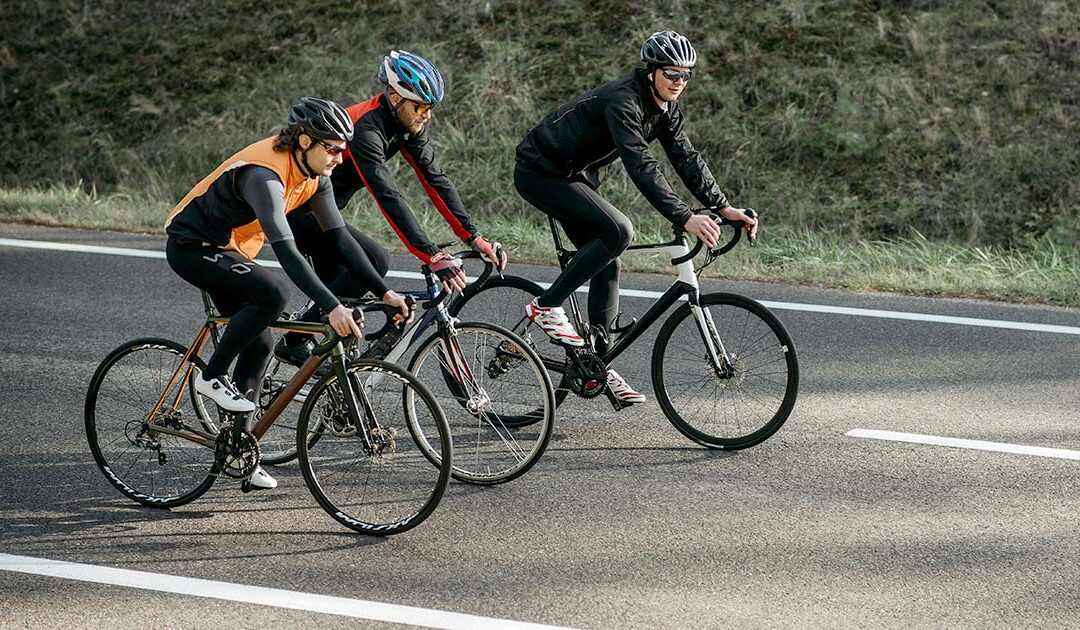
Road bikes are lightweight, featuring thin tires and drop handlebars, designed for speed and endurance on smooth pavement. They’re perfect for fitness rides, group cycling, and long-distance touring.
Not Ideal For: Off-road or casual use
Their delicate tires and aggressive riding posture make them less comfortable for beginners or rough terrain.
Mountain Bikes
Best For: Trails, dirt, rough terrain
Mountain bikes are designed to handle rocky, uneven paths. They have flat handlebars, durable frames, and suspension systems (either front or full) to absorb shock.
Key Features: Suspension, wide tires
Knobby tires and powerful brakes give mountain bikes superior control and traction off-road.
Hybrid Bikes
Best For: Casual riding, light commuting
Hybrids combine features of both road and mountain bikes. They typically feature flat handlebars, medium-width tires, and a comfortable, upright riding position.
Combining features of Road and mountain bikes
Hybrids are ideal for bike paths, commuting, and recreational rides around town. They’re versatile but not specialized for high-speed road cycling or rugged trail riding.
Cruiser Bikes
Best For: Beach paths, leisure rides
Cruisers are all about comfort. These bikes feature wide, cushy seats, balloon tires, and high handlebars, providing a relaxed, upright riding posture.
Features: Upright posture, wide seats
Perfect for coastal boardwalks or mellow island rides, cruisers prioritize comfort over speed or technical ability.
Electric Bikes (E-Bikes)
Best For: Commuting, reducing effort
E-bikes feature a built-in motor that assists pedaling, making hills and long rides easier. They’re great for riders who want to travel further with less strain.
Options: Pedal-assist or throttle-powered
Pedal-assist systems amplify your pedaling effort, while throttle-powered options provide motor-driven movement without requiring you to pedal.
Gravel Bikes
Best For: Mixed terrain, bikepacking
Gravel bikes resemble road bikes but are built to withstand the rigors of dirt roads, gravel paths, and light trails. They’re becoming increasingly popular for adventure riding and long-distance touring.
Combines: Road bike speed with off-road capability
They offer drop bars, wide tires, and stable geometry to handle a variety of surfaces.
Folding Bikes
Best For: Urban commuters, small spaces
Folding bikes collapse into compact shapes for easy storage in apartments, offices, or buses. They’re a favorite among city dwellers and travelers.
Key Feature: Portability
Though not built for speed or rough terrain, folding bikes are a practical solution for limited space and mixed-mode commuting.
BMX Bikes
Best For: Tricks, jumps, skateparks
BMX bikes are built for short bursts of power, jumps, and stunts. They have small frames, single gears, and are often used by younger or more advanced riders in skateparks or dirt courses.
Not Ideal For: Long-distance riding
Because of their size and design, they’re not suited for commuting or extended road rides.
How to Choose the Right Bike for You
Knowing the different types of bikes is just the first step. Here’s how to choose the best one for your needs.
Consider Where You’ll Ride
Are you tackling forest trails, urban streets, or coastal roads? Your terrain dictates the bike features you’ll need. Maui riders, for example, might favor cruisers or hybrids for beachside rides, or mountain bikes for the slopes of Haleakalā.
Factor in Your Fitness Goals
Do you want to boost cardio, commute to work, or ride casually on weekends? Road bikes are ideal for fitness and endurance training, while cruisers are better suited for leisurely rides.
Think About Budget and Maintenance
High-end bikes offer premium components, but entry-level models are also suitable for beginners. Also, consider long-term maintenance. E-bikes, for instance, may require more upkeep than simpler models.
Test Ride Before You Buy
A bike may look perfect on paper, but comfort is a personal preference. Visit a local bike shop, such as Maui Sunriders, to try out different styles and models. Feel the fit, brake responsiveness, handlebar position, and saddle comfort before making a decision.
FAQs About Choosing a Bike
- What’s the best bike for beginners?
A hybrid or cruiser bike is often best for beginners. They offer a comfortable, upright riding position and are easy to handle. If you’re planning to explore trails, consider a hardtail mountain bike for added stability and control.
- Can one bike handle multiple terrains?
Yes, some bikes — such as gravel and hybrid bikes — are designed for versatility. However, no bike is perfect for every surface. You may need to compromise between performance and flexibility based on your top priorities.
- How much should I spend on my first bike?
Expect to spend between $400 and $1,000 on a reliable entry-level bike. While budget bikes are available, investing a bit more typically yields better components and long-term value. Consider what features matter most — comfort, gears, frame weight — and find the best fit within your range.
Find The Right Bike For You
Choosing the right bike can completely transform your riding experience, whether you’re cruising along beach paths in Lahaina, pedaling through Upcountry neighborhoods, or chasing sunrise views from a mountain trail.
At Maui Sunriders, we know the terrain, lifestyle, and riding goals of our island community. Our team is here to help you find the perfect bike, whether you’re looking to rent, buy, or just get expert advice.
Ready to ride Maui your way? Visit Maui Sunriders to explore our bike rentals, guided tours, and local gear recommendations.
by Maui Sunriders | Jun 25, 2025 | Blog
Whether you’re tackling technical terrain on a downhill ride or cruising through scenic trails in Maui, your bike’s suspension plays a massive role in comfort, control, and performance. But what exactly is bike suspension, and why does it matter so much?
In this guide, we’ll cover everything you need to know — from the basics of how suspension works to how to choose the correct setup for your riding style.
What Is Bike Suspension?
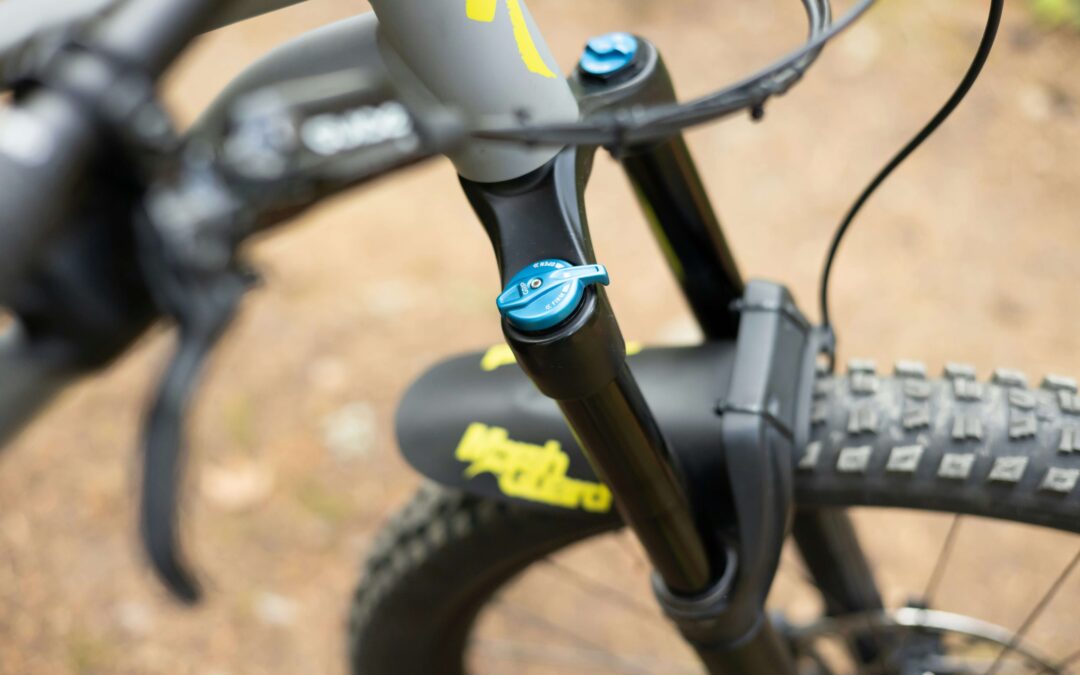
Bike suspension is a system of springs and dampers built into the frame or fork of a bicycle to absorb shocks from rough terrain. It improves traction, reduces rider fatigue, and allows you to maintain control while navigating rocks, roots, and bumps.
There are typically two places where suspension appears:
- Front Suspension (the fork)
- Rear Suspension (built into the frame)
Some bikes have just a front suspension (hardtails), while others feature both (full suspension or “dual suspension”).
Why Suspension Matters
Suspension isn’t just about comfort — it’s a performance upgrade that affects every part of your ride:
- Control: Helps maintain traction by keeping your wheels in contact with the ground.
- Speed: It lets you ride faster over rough terrain without bouncing around.
- Confidence: Makes steep descents and technical trails more manageable.
- Endurance: Reduces fatigue by minimizing the impact on your body.
For mountain bikers, especially those riding challenging trails like those on Maui, quality suspension is crucial.
Hardtail vs. Full Suspension: What’s the Difference?
Choosing between a hardtail and a full-suspension bike depends on your riding goals and the type of terrain you typically encounter.
Hardtail Bikes
- Feature front Suspension only
- Lighter and generally more affordable
- Ideal for smoother trails, climbing, and beginner riders
Full Suspension Bikes
- Features both front and rear suspension
- Better suited for rough, technical, or downhill terrain
- Offer more comfort and control, but tend to be heavier and pricier
For Maui’s diverse trail systems — from lush forest descents to lava-rock terrain — full-suspension bikes are often the preferred choice.
Front Suspension Forks: Types and Features
Front suspension forks are found on nearly all mountain bikes and absorb the initial shock from the front wheel. Here’s what you should know:
Types of Suspension Forks
- Air Forks: Use compressed air for spring force; lighter and easier to adjust
- Coil Forks: Use metal coils; often more durable and better for downhill use
Key Features
- Travel: Refers to how much the fork compresses — typically 100–180mm
- Lockout: Allows you to turn off suspension for climbing or road use
- Rebound & Compression Adjustments: Customize how the suspension reacts
Rear Suspension Systems: How They Work
Rear suspension systems are more complex and integrate into the bike frame. They consist of a shock absorber connected to linkages or pivots that allow the rear triangle of the bike to move.
Common Rear Suspension Designs
- VPP (Virtual Pivot Point)
Each has its unique advantages in terms of traction, pedaling efficiency, and comfort. Riders in Maui benefit from systems that strike a balance between efficient climbing and downhill control.
Suspension Travel: How Much Do You Need?
“Travel” refers to how far your suspension can compress. More travel means more shock absorption, but also more weight and less efficiency on climbs.
Travel Ranges by Riding Style
- Cross-Country (XC): 80–120mm
Air vs. Coil Suspension: Pros and Cons
Both air and coil shocks have advantages, and your choice depends on your riding style, terrain, and personal preference.
| Feature |
Air Suspension |
Coil Suspension |
| Weight |
Lighter |
Heavier |
| Adjustability |
Easy to tune |
Limited |
| Small Bump Sensitivity |
Less sensitive |
More plush |
| Maintenance |
Lower |
Higher |
| Best For |
XC, trail |
Downhill, enduro |
If you’re renting or buying a bike on Maui, air suspension is often the go-to for versatility and easy tuning.
Suspension Settings & Tuning Basics
Getting your suspension dialed in can make a huge difference in how your bike performs. Here are the key settings:
-
Sag
Sag is the amount your suspension compresses under your body weight. Typically:
-
Rebound
Controls how quickly the suspension returns after compression. Too fast, and it feels bouncy; too slow, and it feels sluggish.
-
Compression
Controls how easily your suspension compresses under force — useful for smoothing big hits or pedaling efficiency.
Need help? A professional bike shop, such as Maui Sunriders, can help set up your suspension perfectly.
Maintenance Tips to Keep Your Suspension Smooth
Your suspension system works hard — keep it in top condition with regular maintenance.
- Clean fork stanchions and seals after every ride
- Check for oil or air leaks
- Lubricate pivot points and bushings
- Lower leg service every 30–50 hours of riding
- Full damper service every 100–200 hours
A well-maintained suspension will ride smoother, last longer, and perform better on Maui’s epic trails.
Bike Suspension Is A Crucial Part Of Biking
Bike suspension isn’t just a technical detail — it’s a vital part of your riding experience. Understanding how it works, choosing the right type, and maintaining it can help you ride longer, smoother, and with more confidence.
And when you’re ready to hit the trails in paradise, Maui Sunriders has the bikes, knowledge, and local expertise to ensure your suspension and ride are dialed in for an unforgettable experience.
The Maui Sunriders Advantage: Expert Bike Suspension & Fitting Services
At Maui Sunriders, we believe that every rider deserves a bike that feels tailor-made for the trail. That’s why we take both suspension tuning and bike fitting seriously.
Whether you’re renting one of our high-end full-suspension mountain bikes or bringing your own ride for a tune-up, our team ensures your setup is optimized for Maui’s terrain. Our services include:
- Personalized suspension setup for your weight and riding style
- Pre-ride tuning and post-ride adjustments
- Routine maintenance and inspections
- Expert advice on air pressure, sag, rebound, and more
Bike Fitting That Maximizes Comfort & Performance
Your suspension can only do its job properly if your bike fits you correctly. That’s why we offer professional bike fitting services designed to enhance control, reduce fatigue, and boost efficiency on the trail.
Our experienced staff will:
- Adjust saddle height, handlebar reach, and cockpit position for ideal body alignment
- Make ergonomic tweaks tailored to your flexibility, strength, and riding goals
- Ensure your bike feels natural and responsive, whether you’re climbing or descending
The result? A smoother, safer, and more enjoyable ride across Maui’s stunning mountain biking terrain.
We ride the trails we rent for — and we know exactly how to help you get the most from your bike.
by Maui Sunriders | Jun 10, 2025 | Blog
Everyone knows Maui for its beautiful coastlines, beaches, and golf courses, but for those who love the outdoors (like we do!), the real magic is in the island’s rugged terrain, rainforest ridges, and volcanic slopes, where mountain biking truly shines. If you’re a seasoned rider seeking downhill thrills or a casual adventurer looking for scenic coastal cruises, Maui delivers with a diverse mix of trails.
In this guide, we’ll explore the best mountain biking spots on Maui, provide trail information for different skill levels, outline what to expect from the terrain, and offer tips to make your biking experience unforgettable.
Why Go Mountain Biking on Maui?
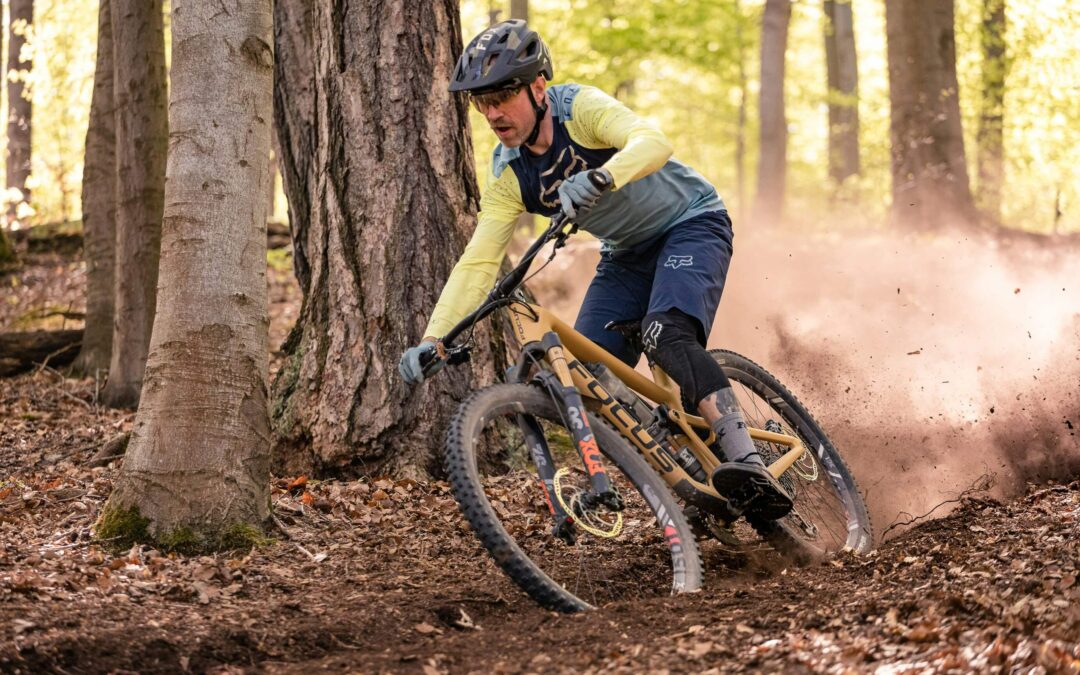
Mountain biking on Maui gives you a front-row seat to some of the island’s most spectacular landscapes. You’ll ride through eucalyptus forests, across lava fields, along ridgelines with sweeping ocean views, and even down the slopes of the world’s largest dormant volcano, Haleakalā.
The top reasons we recommend mountain biking on Maui:
- Diverse terrain: From rainforests to deserts to alpine trails
- Mild year-round weather: Great for riding any season
- Low-traffic backroads: Many routes take you through peaceful, rural areas
Best Maui Mountain Biking Trails & Areas
Kula Forest Reserve – Poli Poli: Quiet, High-Elevation Adventure
Location: Upcountry Maui (Poli Poli State Park)
Skill Level: Intermediate to Advanced
Want an Upcountry ride with less crowd and more elevation? Head to the Kula Forest Reserve and Poli Poli trail network, perched between 6,500 and 7,100 feet. While this zone doesn’t include the full Skyline Trail descent, it gives you a big-mountain feel with significantly less driving — and more actual riding.
You’ll mostly be climbing wide fire roads that access a number of fun and challenging singletrack descents, including the Mamane Trail, a 1.5-mile ride that reconnects with the road near your vehicle. For advanced riders, Redwood and Boundary Trails offer technical challenges, hike-a-bike sections, and rugged terrain that rewards persistence and skill.
Elevation gain on these rides varies based on your route, but expect 800–1,000+ feet of climbing. On clear days, you’ll be treated to sweeping views of the Big Island and the Pacific Ocean far below.
Why We Love It:
- Quiet trails with minimal traffic
- Stunning high-country views
- Diverse mix of gravel climbs and narrow singletrack descents
Skyline Trail – A Massive, Bucket-List Descent
Location: Haleakalā National Park to Kula
Skill Level: Strong Intermediate to Advanced
Skyline is Maui’s most iconic (and extreme) mountain bike ride. Starting at over 10,000 feet inside Haleakalā National Park, this trail drops more than 3,500 feet over the course of roughly 10 miles — with terrain that varies from alpine lava rock to dusty gravel to forested singletrack.
The first half of the ride is a test of your technical ability: six miles of loose volcanic rock fire road that demands sharp focus, wide tires, and confident handling. It’s like riding on marbles, and falls here can be painful due to the jagged lava. After navigating this lunar landscape, you’ll drop into the Mamane Trail, followed by a gravel road that takes you down to the Lavender Farm finish.
Critical Logistics:
- You’ll need two vehicles or a driver to shuttle you.
- National Park passes (1–2) are required for vehicles entering Haleakalā.
- Cell service is spotty to nonexistent for most of the ride.
- This is not a tour route — no companies are permitted to shuttle riders to the top.
We Don’t Recommend This Ride Unless:
- You have a high level of fitness and experience
- You’re equipped for remote, self-supported riding
- You have a safe, reliable shuttle plan
Why We Love It (with a huge disclaimer):
- Epic terrain and unmatched views
- An unforgettable experience — if you’re up for it
Napili Bike Park – Maui’s Trail Future Takes Shape
Location: Napili (West Maui) – under development
Skill Level: Beginner to Expert (coming soon!)
Located adjacent to Maui Preparatory Academy, this trail park is being developed through passionate collaboration with The Maui Mountain Bike Coalition and mountain bike legend Cam Zink—fresh off his 2023 Red Bull Rampage win—to bring his trail-building expertise to Maui. His company, Sensus RAD Trails, is supported by professional trail builder Cody Wilkins and Carson Storch.
Community Backing:
- Over $50,000 raised through donations and support
- Land leased through Maui Land Pine
- Designed to serve both local families and visiting riders
- Operated by volunteers who help maintain the trail
While the park is still under construction, its progress is a massive win for Maui’s cycling community — and a sign that trail riding here is only going to get better.
Why We’re Excited:
- First purpose-built mountain bike park on Maui
- Community-focused and professionally designed
- A game-changer for local and visiting riders
Makawao Forest Reserve — Featuring the Kahakapao Trails
Location: Upcountry Maui
Skill Level: Beginner to Expert
Makawao Forest Reserve is Maui’s most accessible and diverse trail network, and the centerpiece of this system is the Kahakapao Trails — a loop-based network designed with mountain bikers in mind. Nestled under a canopy of eucalyptus and pine, these trails offer cool temperatures, dappled light, and flowy singletrack that’s approachable yet exciting.
The Kahakapao loop includes both multi-use and bike-specific trails, allowing riders to customize their ride based on ability and time. You can warm up on the easier green-rated trails, then progress to intermediate options that include switchbacks, mild climbs, and rolling descents.
Trail Overview:
- Kahakapao Loop: Multi-use loop that branches into additional singletrack spurs
- Elevation Gain: 800–900 feet, depending on route
- Trail Type: Singletrack with smooth surfaces, minor roots/rocks, and well-marked signage
Why We Love It:
- Suitable for riders of all levels
- Great for skill-building or fun, fast laps
- Easily accessible from Paia and Upcountry Maui
If you’re short on time or new to Maui’s trail scene, Kahakapao is the perfect place to start — and chances are, you’ll want to come back for more.
When’s the Best Time to Ride?
Maui is rideable year-round, but we advise going during these times:
- Early morning rides offer cooler temps and better visibility, especially on the mountain.
- Dry season (April to October) typically has more stable trail conditions.
- Avoid trail riding during or after heavy rains—Maui’s red dirt can get very slippery.
Safety Tips for Mountain Biking on Maui
Mountain biking on an island like Maui is exhilarating, but it’s essential to stay safe:
- Hydrate – Bring more water than you think you’ll need.
- Use sunscreen – Even forested trails can expose you to the sun.
- Wear layers – Especially important on downhill rides from high altitudes.
- Know your route – Cell service can be spotty, especially on Haleakalā and the West Maui area.
- Ride responsibly – Share trails, yield to hikers, and pack out what you bring in.
Guided vs. Self-Guided Tours
Maui Sunriders specializes in self-guided bike tours, which give you the freedom to ride at your own pace, stop when you want, and create a more personal experience. For those who prefer a bit more structure, we also offer guided options—but self-guided is what our riders love most
Benefits of Self-Guided Tours:
- No pressure to keep up with a group
- Discover local gems along the way
- Great for couples and families
Not sure if you’re up for it? Their friendly team will help you get fitted with the right gear, provide safety briefings, and shuttle you to the starting point, making your ride easy, enjoyable, and unforgettable.
Mountain Biking Etiquette in Hawaii
Please remember to respect the land and local culture. Maui’s trails pass through sensitive environments and native lands, so follow these principles:
- Stay on designated trails – Protect the native flora and prevent erosion
- Leave no trace – Take trash with you
- Respect private property – Some trails border ranches and residential areas
- Be courteous to hikers and other riders
FAQ: Mountain Biking Maui
Is mountain biking in Maui challenging?
It depends on the trail. Some rides, like the Haleakalā downhill, are mostly coasting and suitable for most fitness levels. Others, like Polipoli or the West Maui Loop, are more technical and require experience.
Can I bring my bike?
Yes, you can fly with your bike, but be prepared for airline fees. Many riders prefer to rent on the island to avoid the hassle.
Are e-bikes allowed on trails?
E-bikes are allowed on paved roads and some multi-use trails, but many forest trails restrict their use. Always check local rules.
What should I wear?
Wear moisture-wicking clothing, closed-toe shoes with good grip, and bring a windbreaker or light jacket for cooler elevations.
NEW: Exclusive Trails Above Our Kapalua Shop
We’re beyond excited to share some big news — we’ve just signed a lease that gives Maui Sunriders exclusive guiding access to an amazing new trail system located above our brand-new Kapalua shop in West Maui. This means we’re the first and only company on the island offering guided mountain biking adventures in this area.
Get ready to ride! With a mix of flowy lines, technical sections, and ocean-view lookouts, they offer something for every rider. Whether you’re new to mountain biking or looking for your next adventure, the Kapalua trails are going to deliver a fresh experience on Maui’s west side.
We’re still fine-tuning the entire route and exploring all the opportunities here, but we can already tell it’s going to be a game-changer. Private access means fewer crowds, more freedom, and the kind of unique riding experience you won’t find anywhere else on the island.
Stay tuned — we’ll be sharing updates soon on official tour launches, booking info, and what to expect when you hit the trail with us in Kapalua!
Ready to Ride? Contact us at Maui Sunriders!
Whether you’re carving turns through Makawao’s pine forests or flying downhill from Haleakalā with the wind in your face, Maui offers mountain biking experiences unlike anywhere else in the world.
Book your self-guided ride with Maui Sunriders today and experience the island from a whole new perspective – on two wheels.
by Maui Sunriders | Aug 31, 2023 | Blog
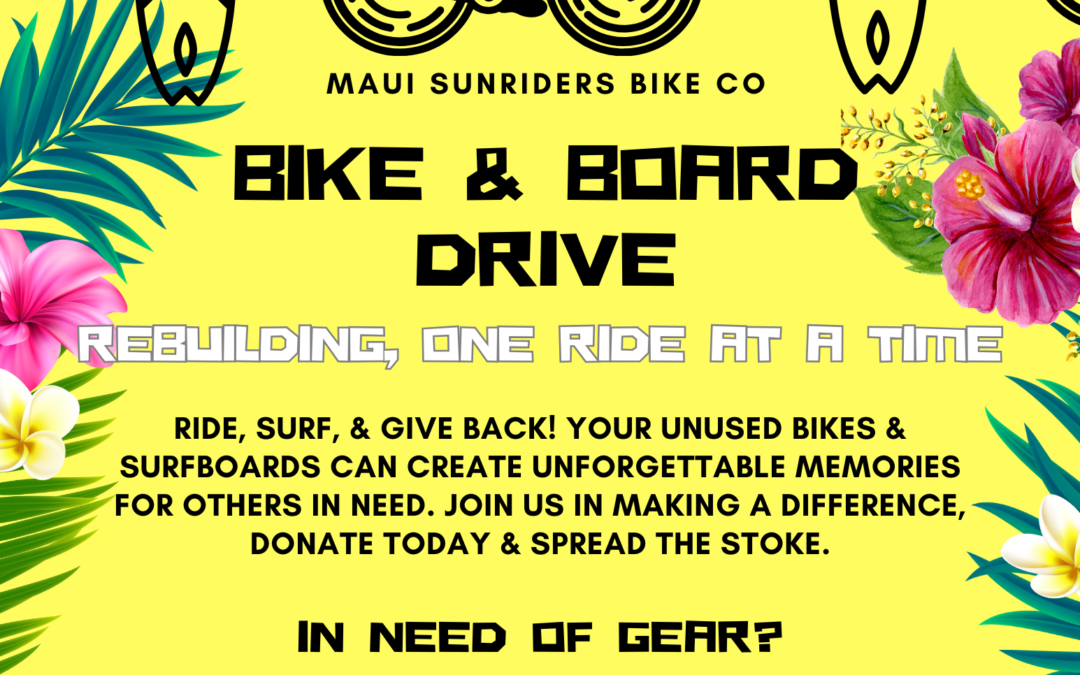
Got an old bike or surfboard collecting dust? Let’s put them to good use! We’re on a mission to spread the stoke by giving gently used bikes and surfboards to those who could use a little extra joy in their lives.
Our drive aims to give to members of our community across Maui who have been impacted by the Maui fires. Whether it be a means of transportation, health and exercise, mental clarity… bikes and boards are great for healing.
By donating your used bicycles and surfboards, you’re not just parting with an object – you’re creating opportunities for memorable experiences.
Why Participate?
- Empowerment Through Mobility: A bike is more than just a mode of transportation – it’s a symbol of freedom and independence. By donating your gently used bicycle, you’re giving someone the power to travel, explore, exercise and commute with ease.
- Riding the Waves of Joy: Surfing isn’t just a sport; it’s a way of life that connects us to the ocean and nature. Your pre-loved surfboard can replace a board for a passionate surfer that lost boards in the fires… or maybe to introduce someone to the exciting world of surfing, providing them with a unique outlet for fun and wellness.
- Environmental Impact: Recycling at its finest! Donating means less waste and a high-five to Mother Earth.
- Building a Community: Join our crew of big-hearted folks. Your donation creates ripples of happiness feel-good vibes throughout the community.
How Can You Get Involved?
- Donate: Dig out that bicycle gathering dust in your garage or the surfboard that deserves a second chance. Your unused gear could be a source of joy for someone else.
- Spread the Word: Friends, fam, and social media – let everyone know how they can help.
- Volunteer: Be part of the team that coordinates, collects, and distributes the donated bicycles and surfboards. Your time and effort will make a direct impact on changing lives.
🤙 IN NEED OF GEAR? WERE YOU AFFECTED BY THE FIRES? 🤙
Call or come In the shop If you would like to be put on our list for receiving bikes &/or boards!
BIKE & BOARD DRIVE (8.5 × 11 in) 1
BIKE & BOARD DRIVE (8.5 × 11 in) 2
BIKE & BOARD DRIVE Floral Square-1
BIKE & BOARD DRIVE Floral Square-2
by Maui Sunriders | Aug 10, 2023 | Blog
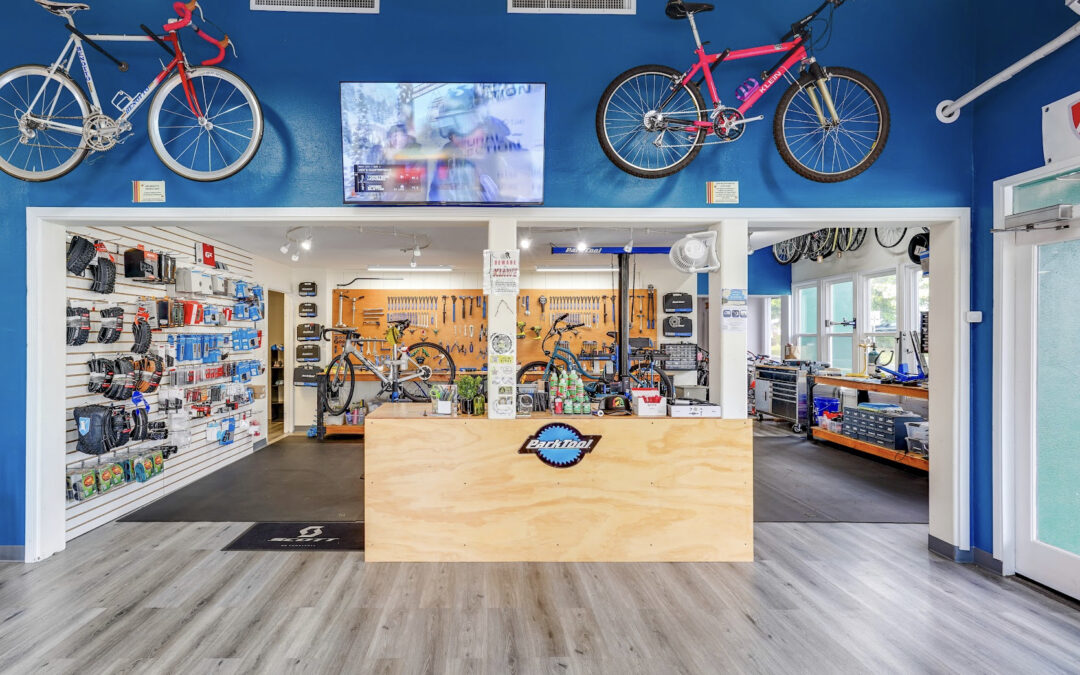
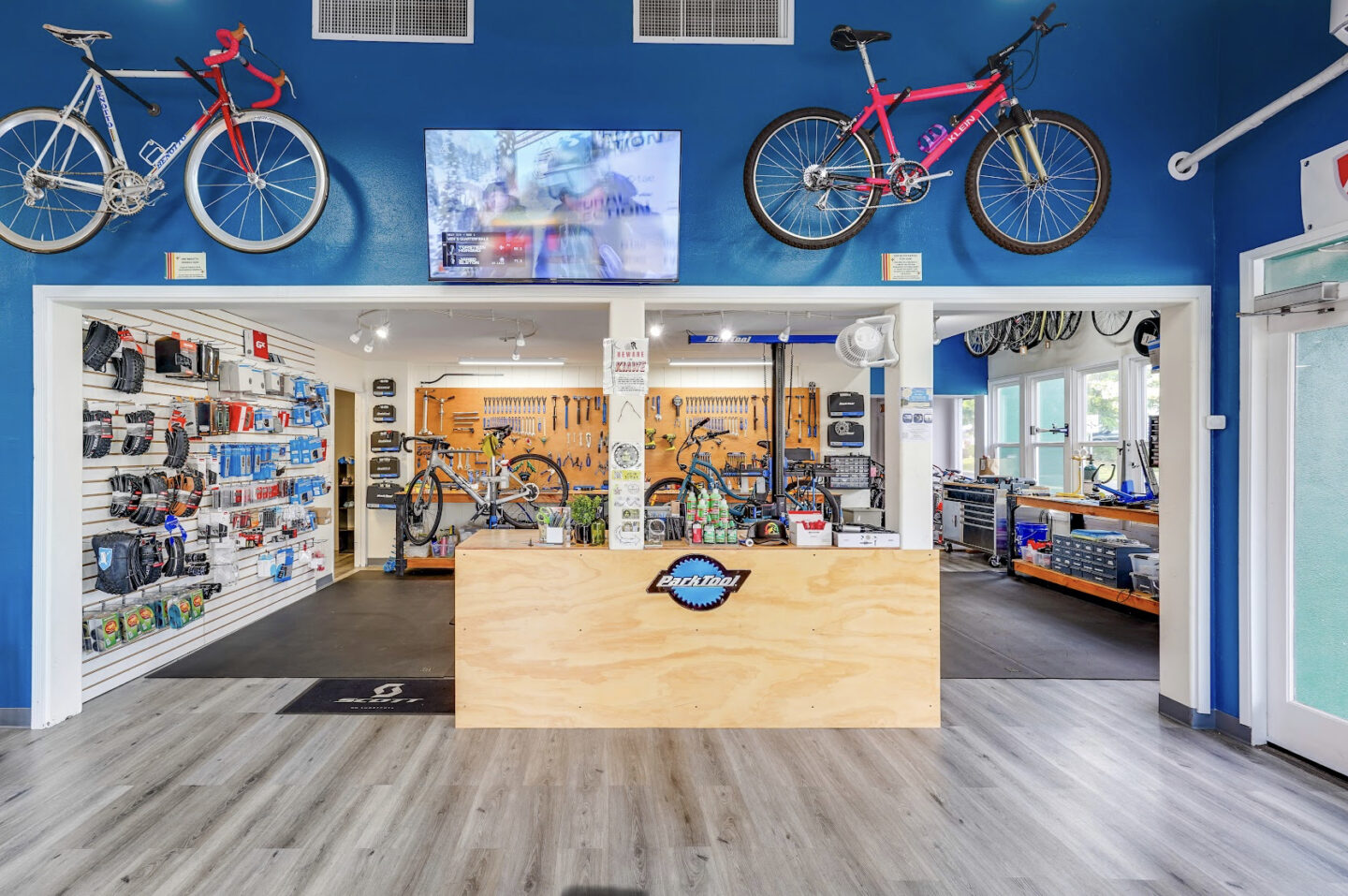
Aloha, It is with great sadness that we share that most of Lahaina has been lost along with our brand new Downtown Lahaina bike shop. Finances raised will help keep our two other smaller shops stay in business and stay operational. We have 16 employees that we would like to take care of and keep as many on payroll as possible merging them into 2 stores. We will also use donations to help cover employees’ personal items, cars, bikes and other belongings lost in the fire. As well as relocation assistance.
Our employee who was in the bike shop at the time was able to escape just in time via an e-bike which was a godsend as he didn’t get stuck in traffic. It was a very difficult ride for him being blown over by 60-80mph and watching the shop he called home become engulfed in black smoke right before his eyes. He will not be able to return to his home and is relocated We are very thankful our entire team is safe. It is a tragic time here for everyone on such a small island, every person knows someone affected. To be completely honest, if feels like COVID combined with 9/11. It’s just gutting.
We will continue to offer excellent work, customer service and products to keep the local community on two wheels. We love Maui, the community, and all of the visitors that we have met over the years and have become part of our Ohana. Any support and love will be grateful in such devastating times to us and the local bike community. As we look to rebuild in Lahaina which is going to take a very long time, we will also be doing our best to give back to the local community through the projects that we had started as we know our community support means so much to us.

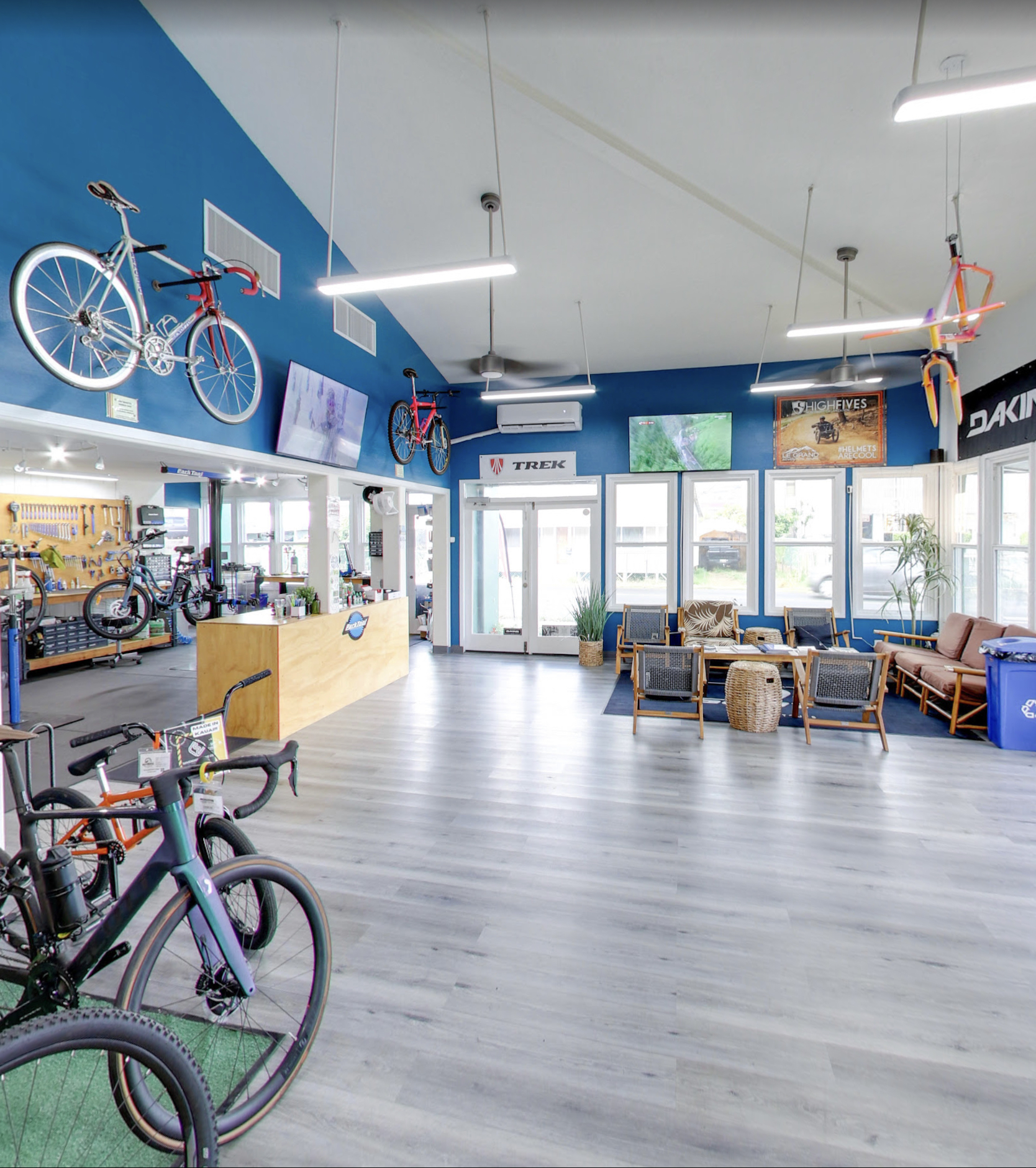
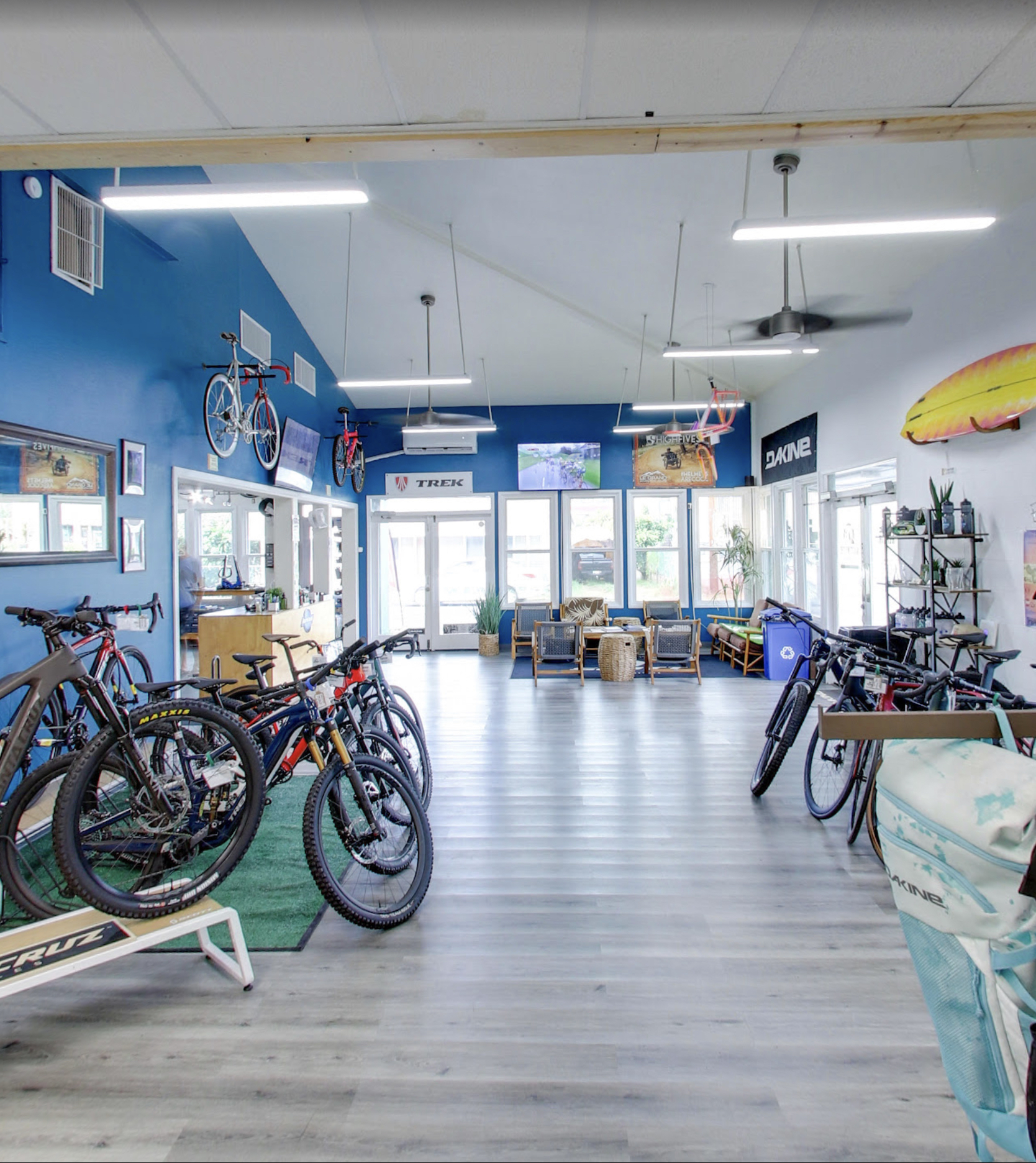
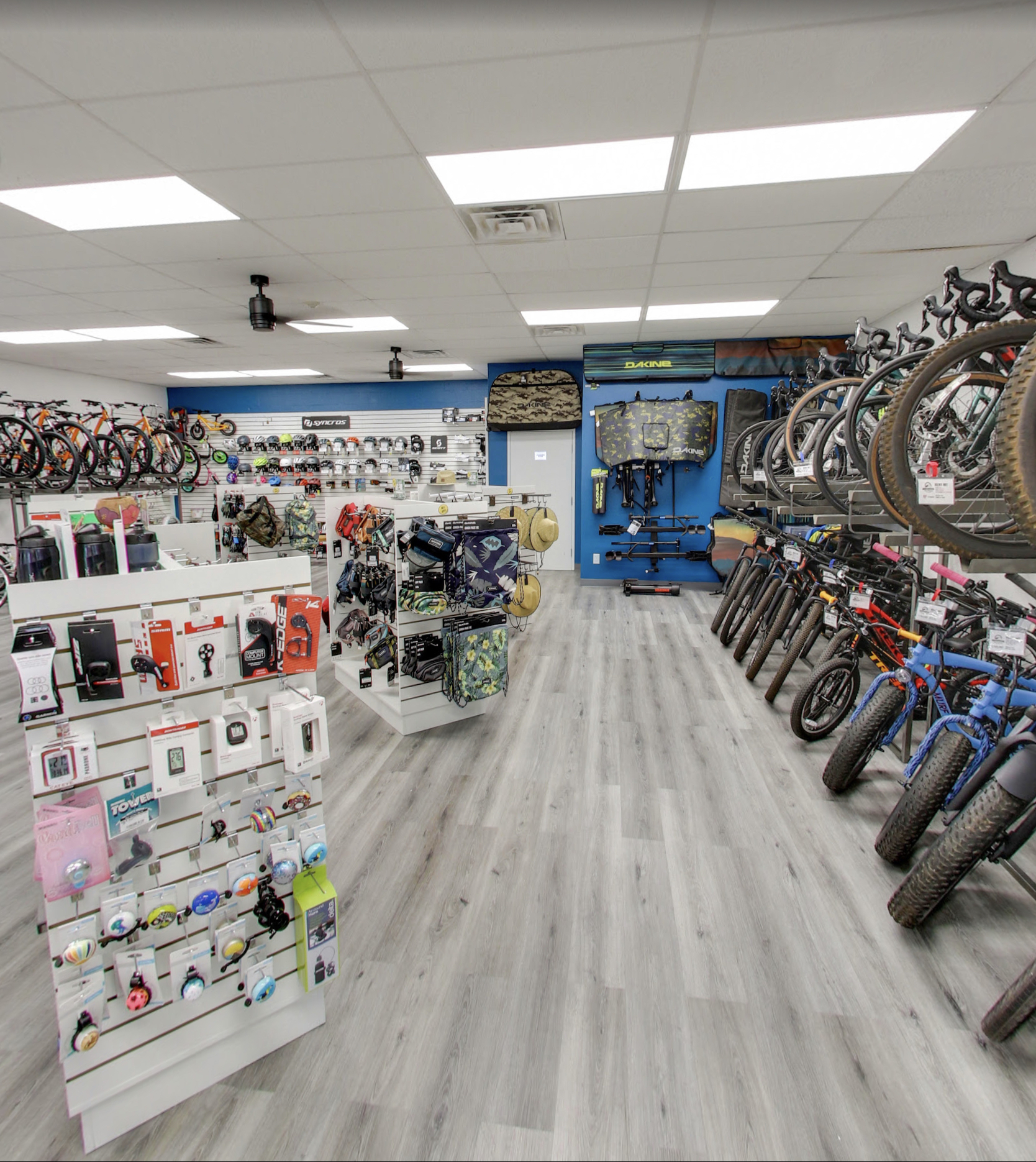
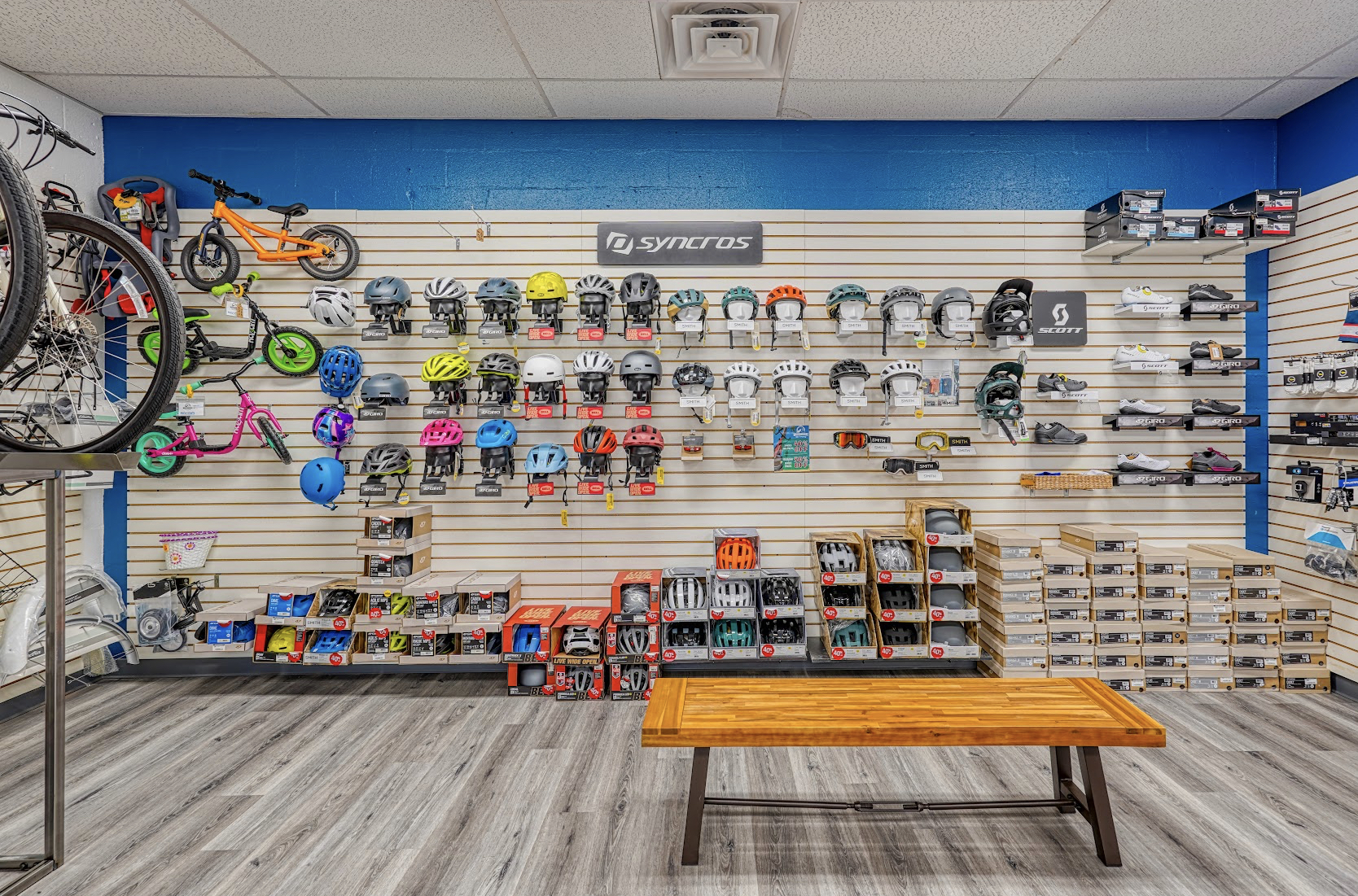
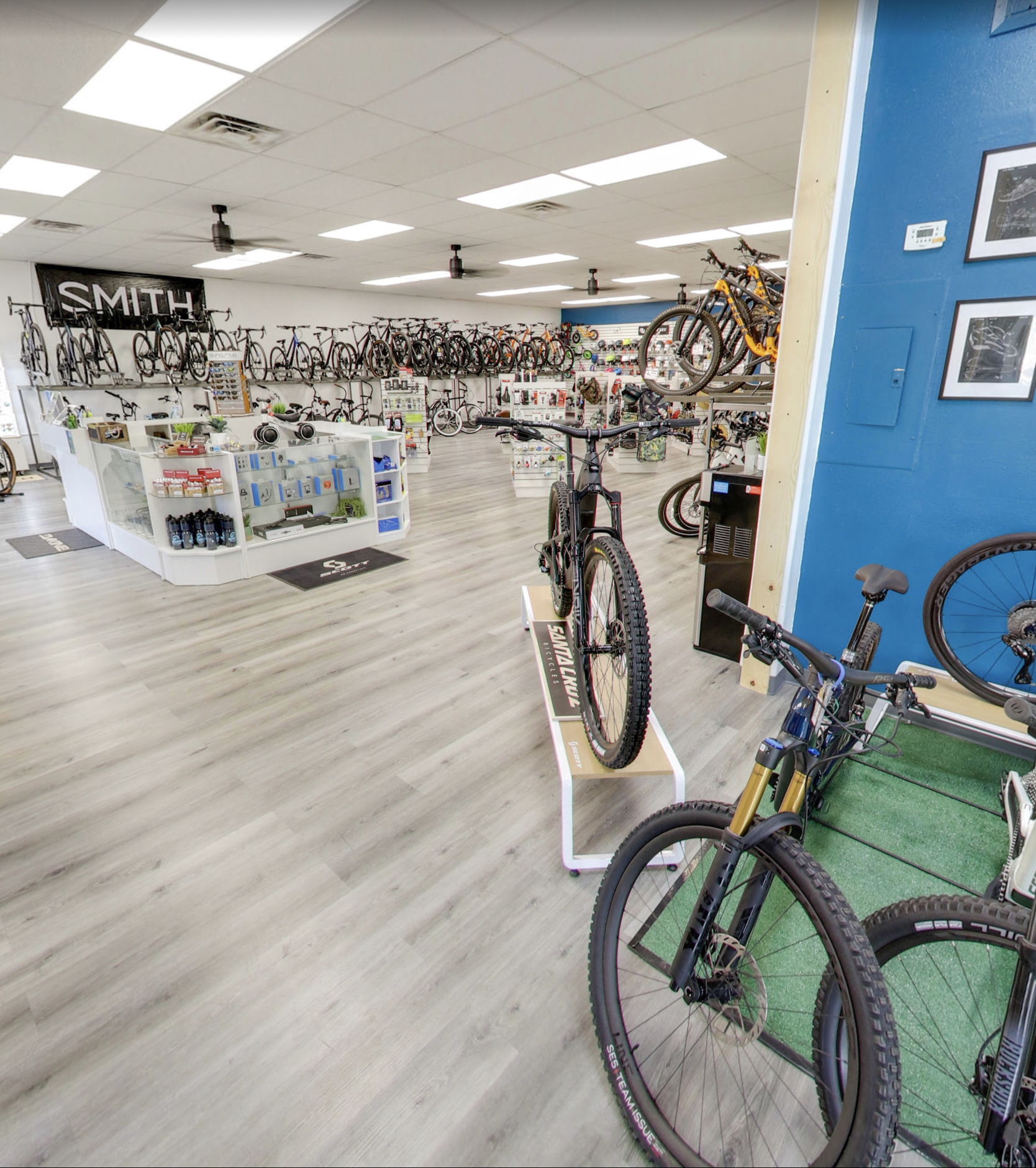
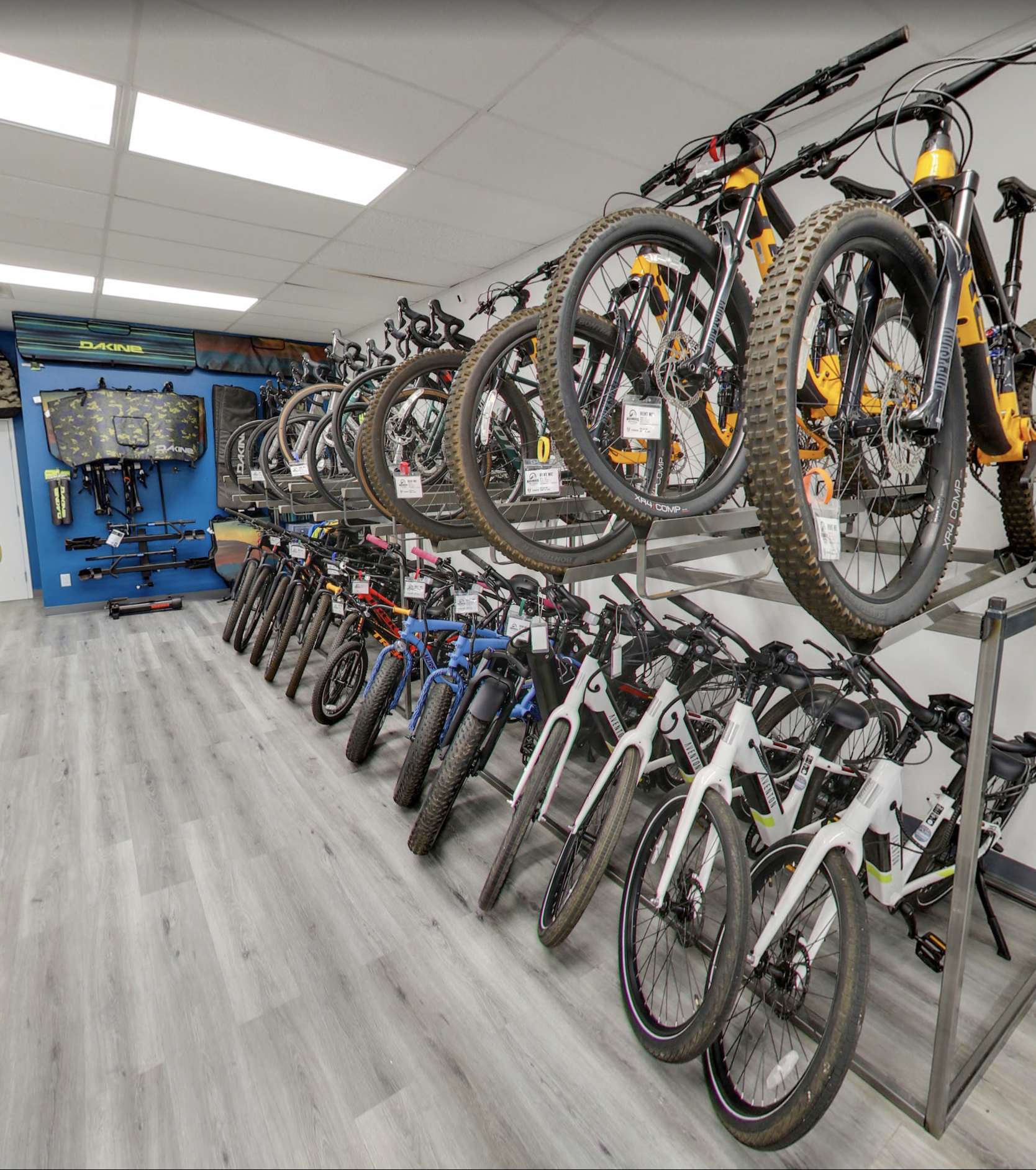
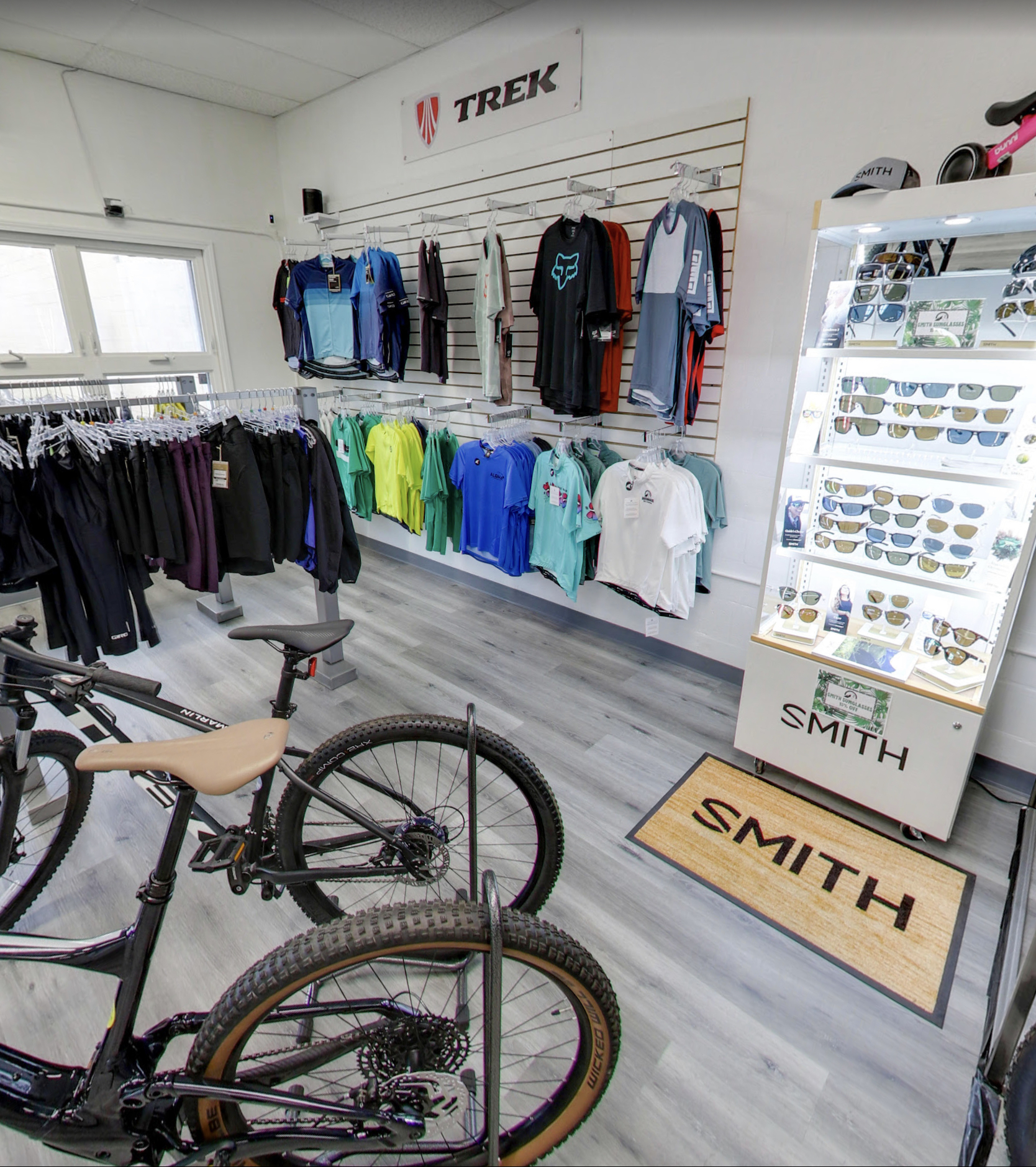
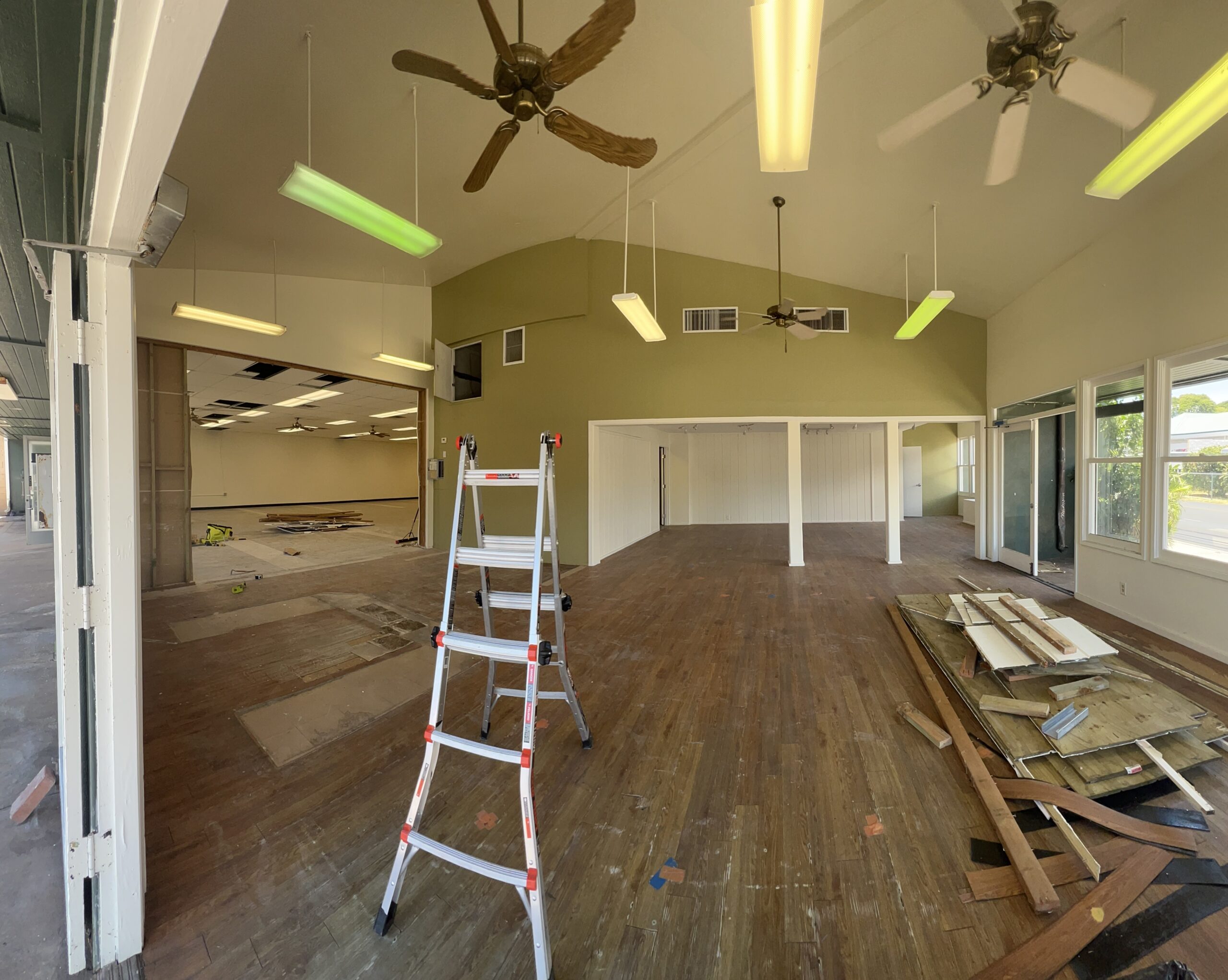
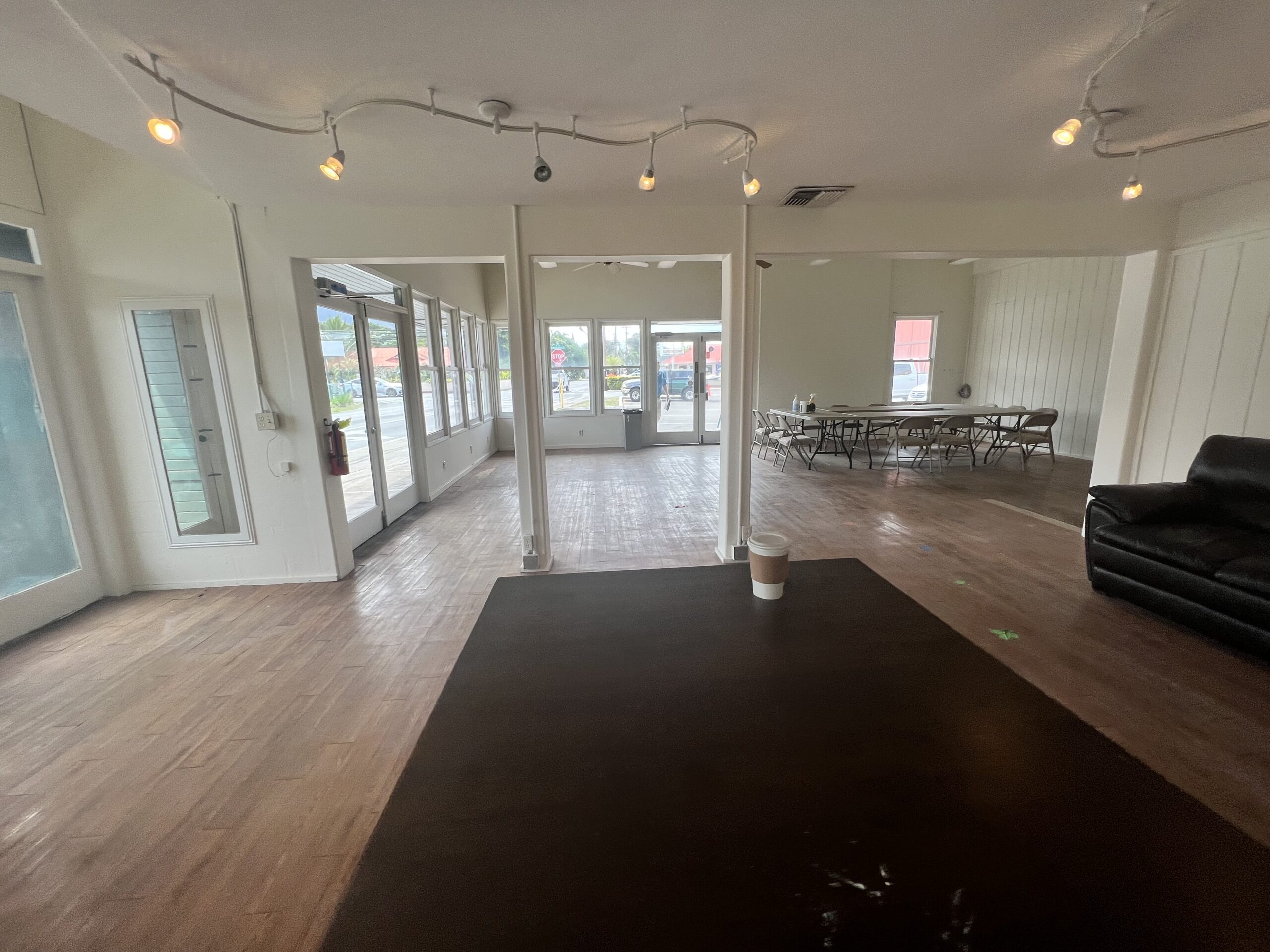
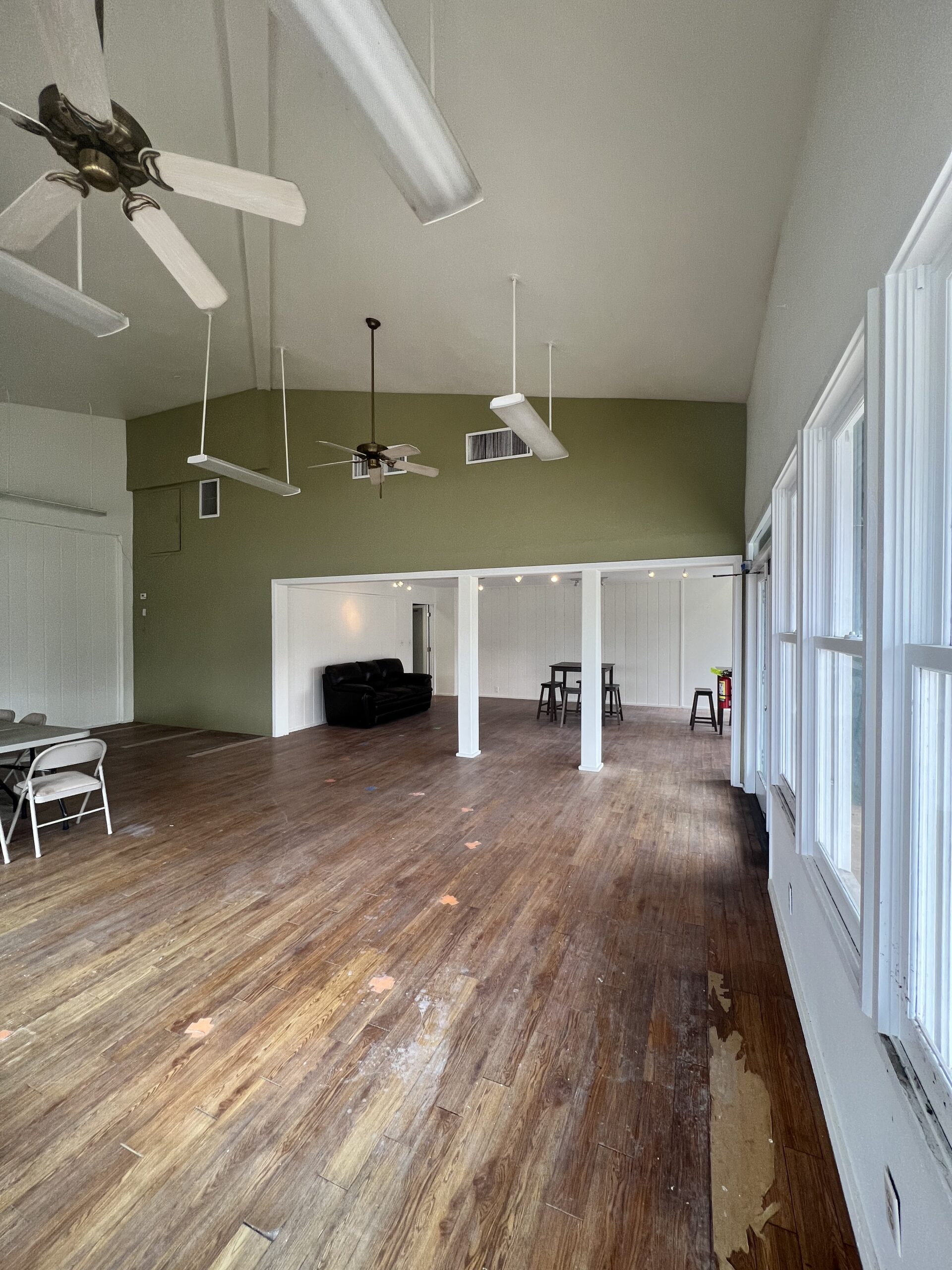
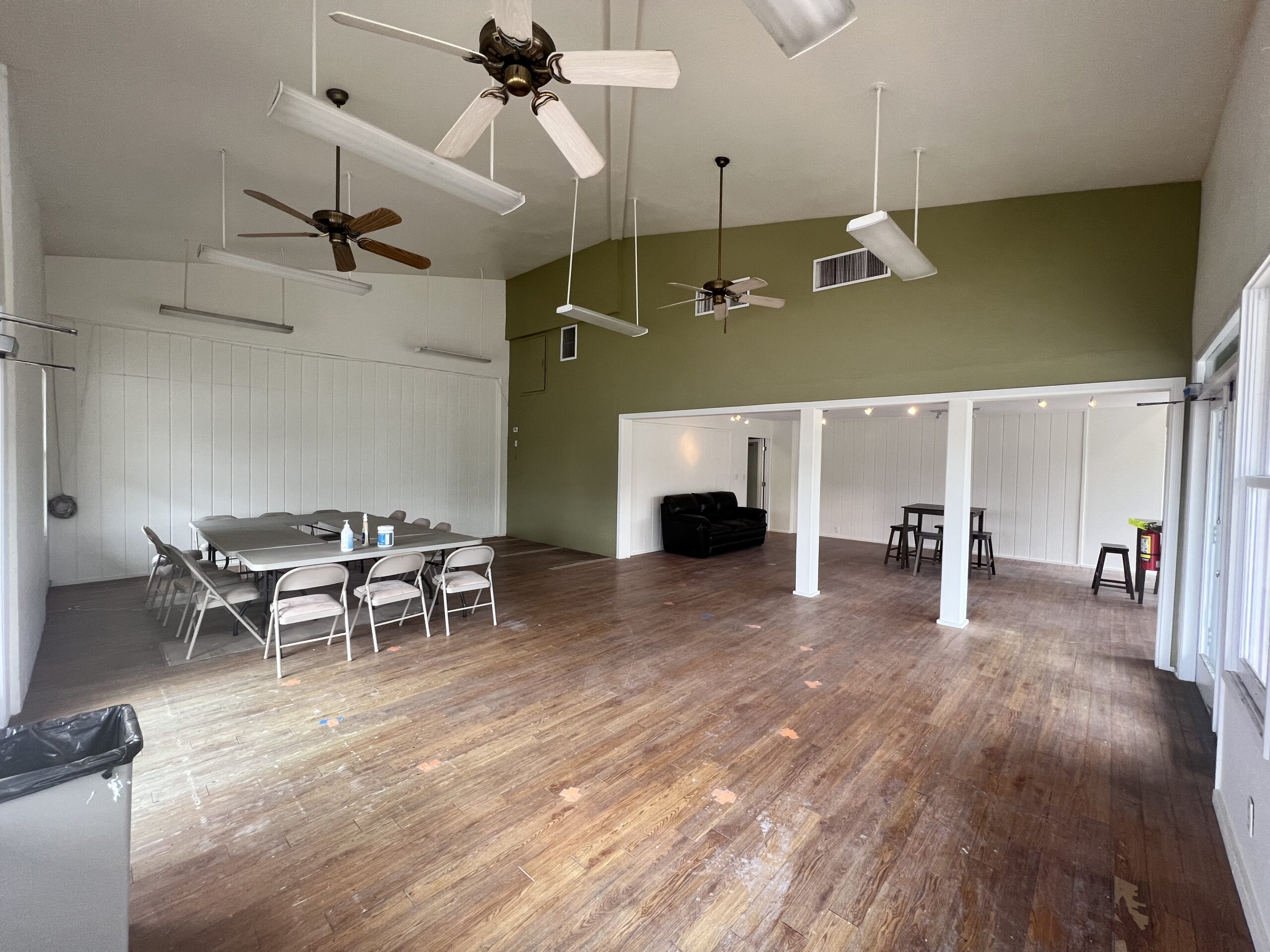
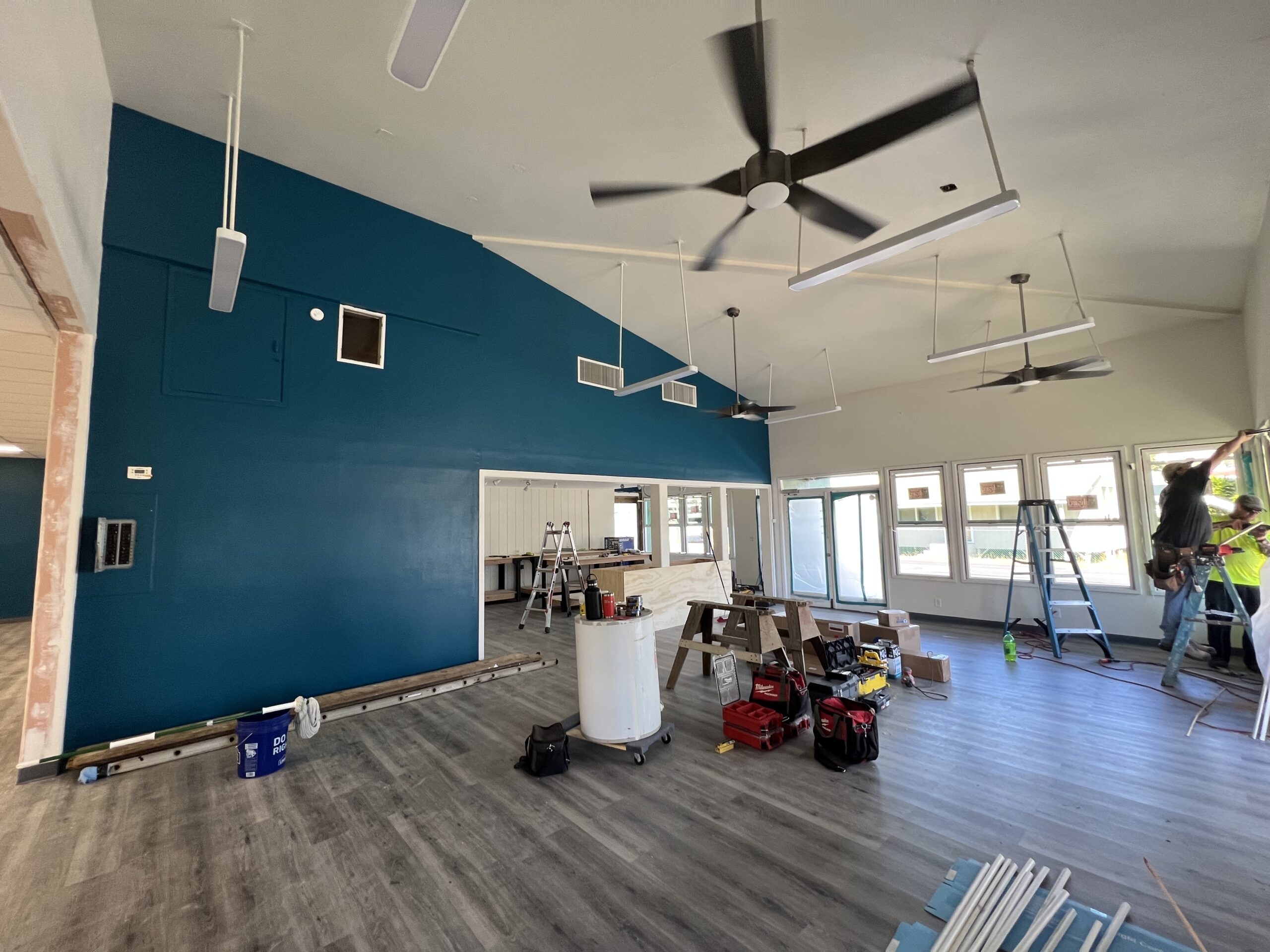
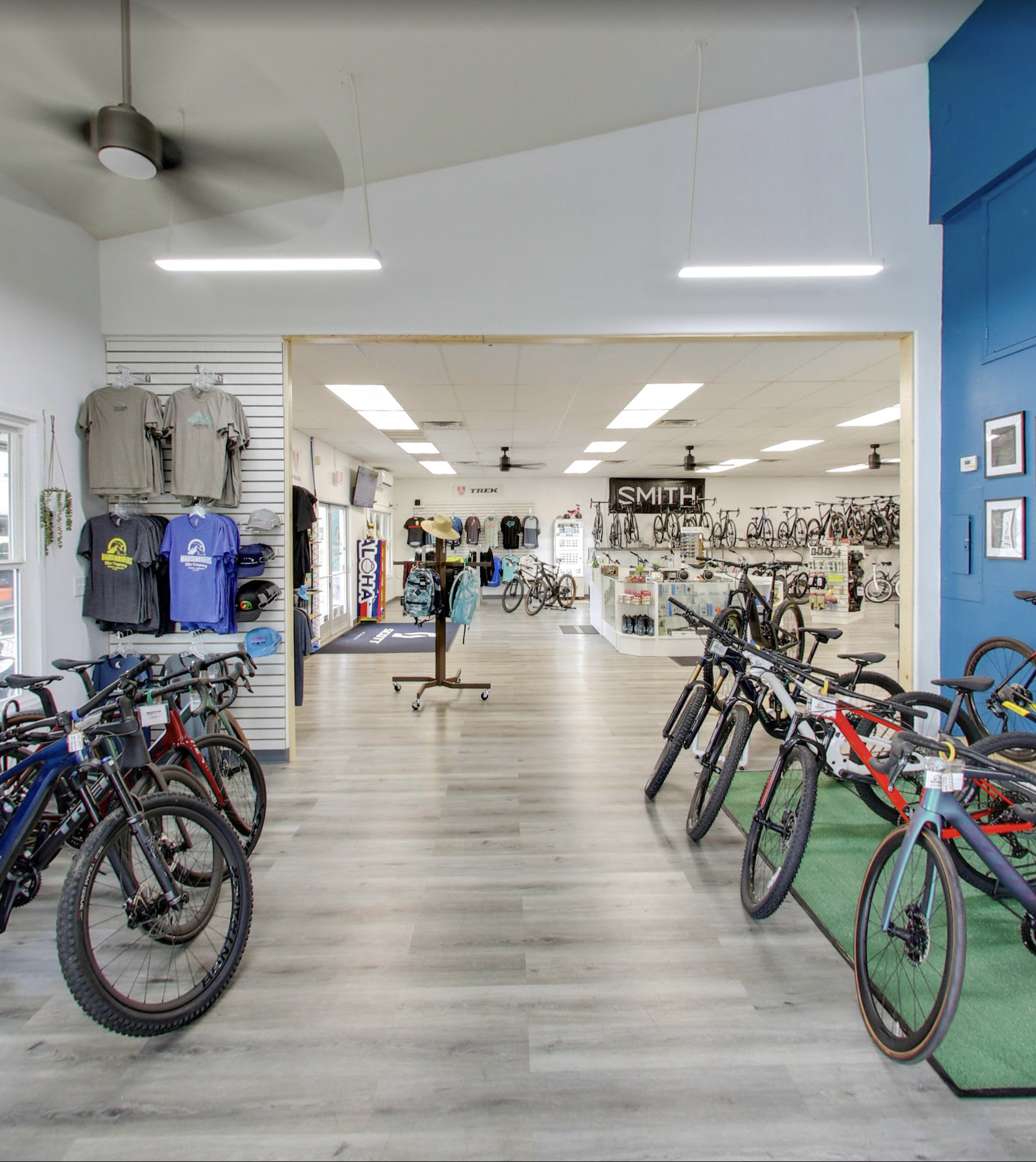
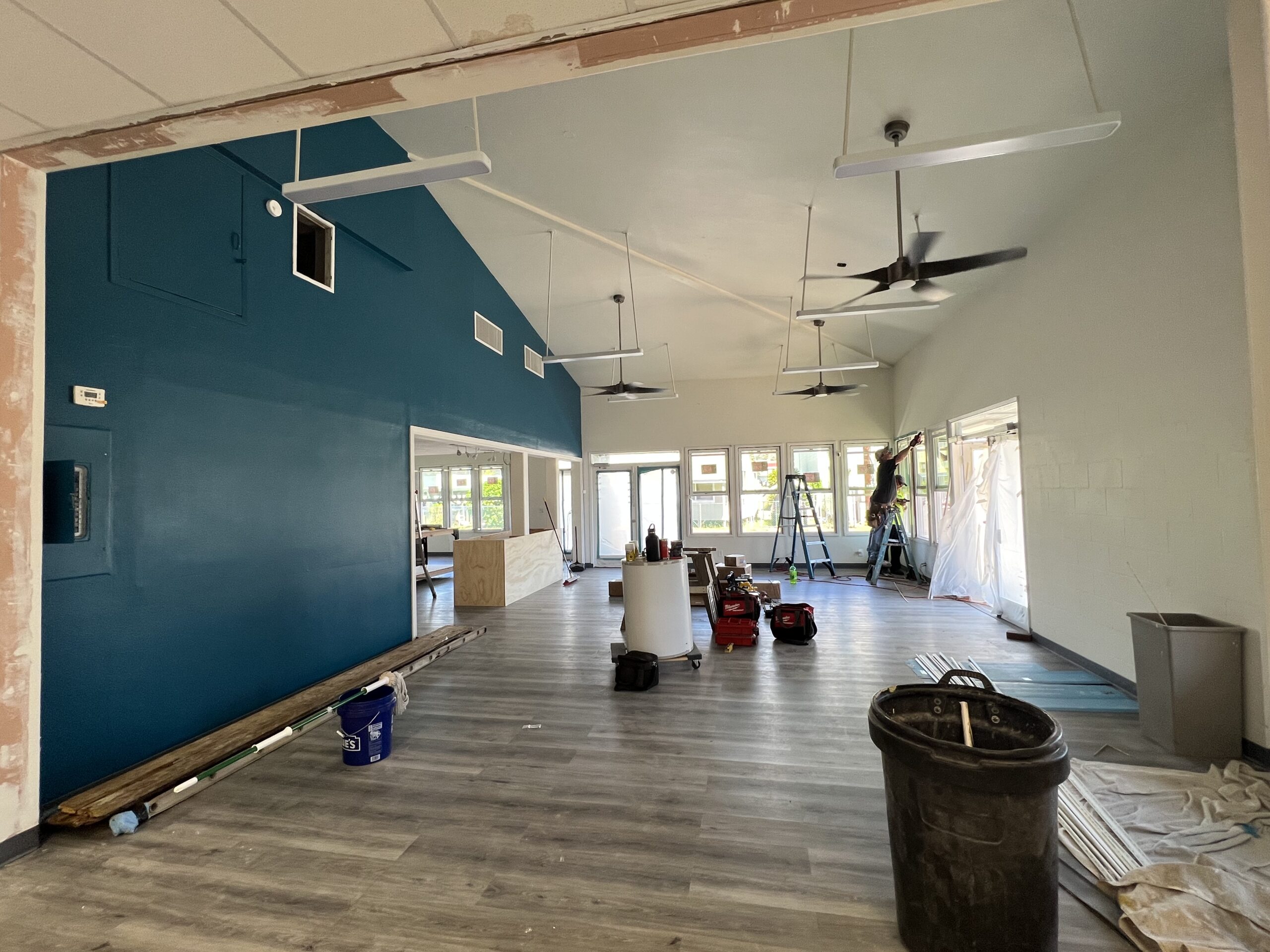
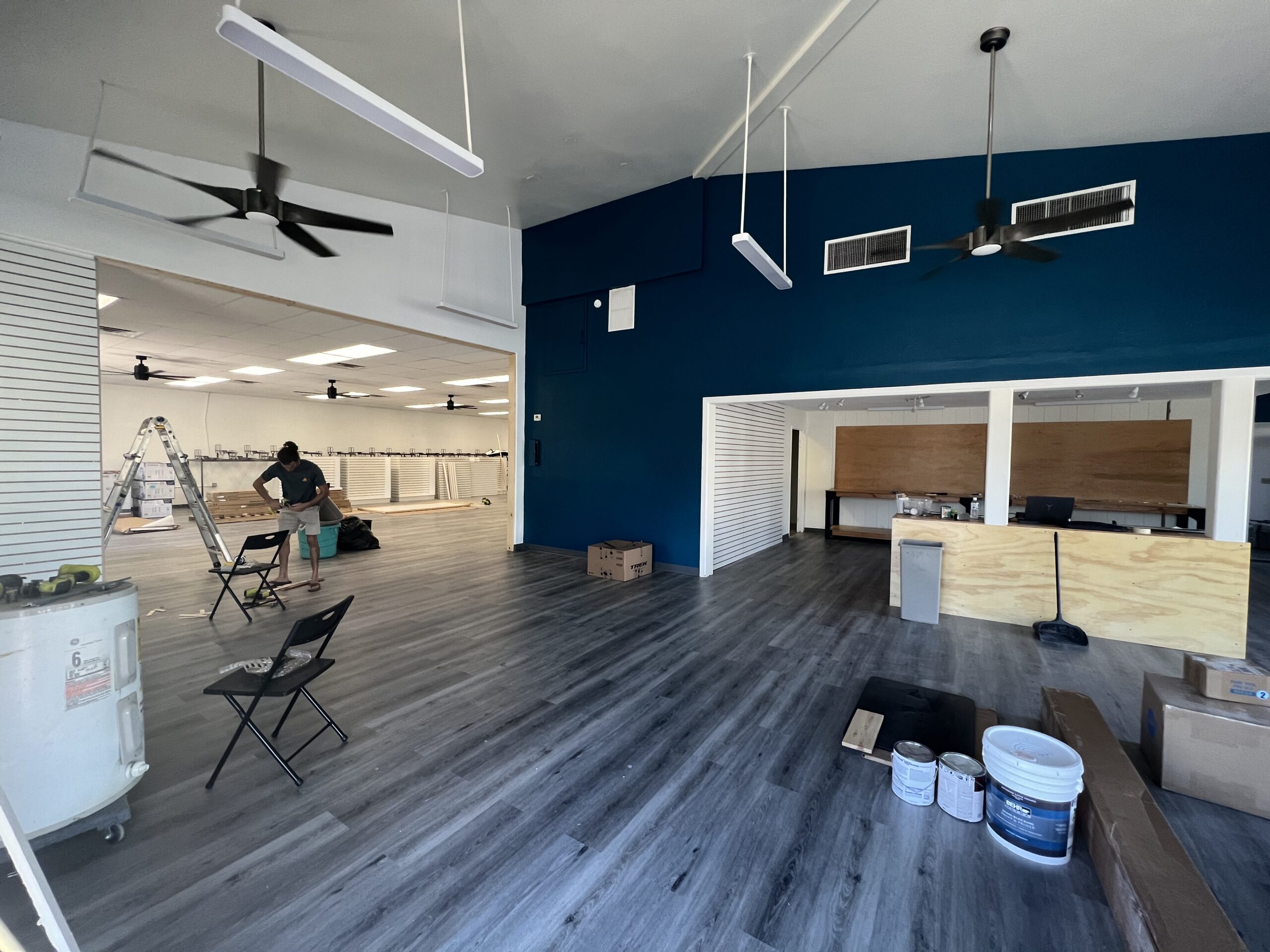
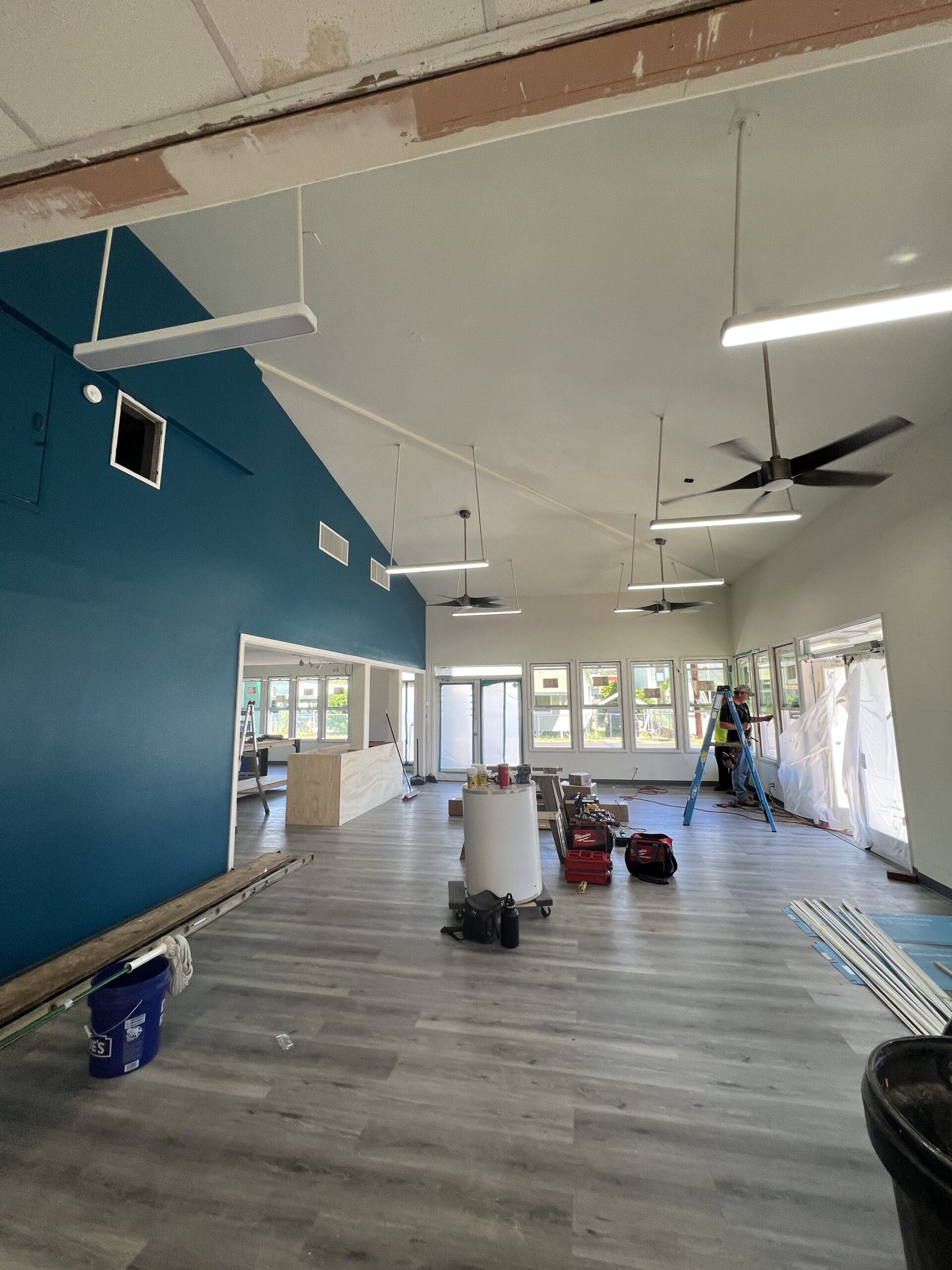
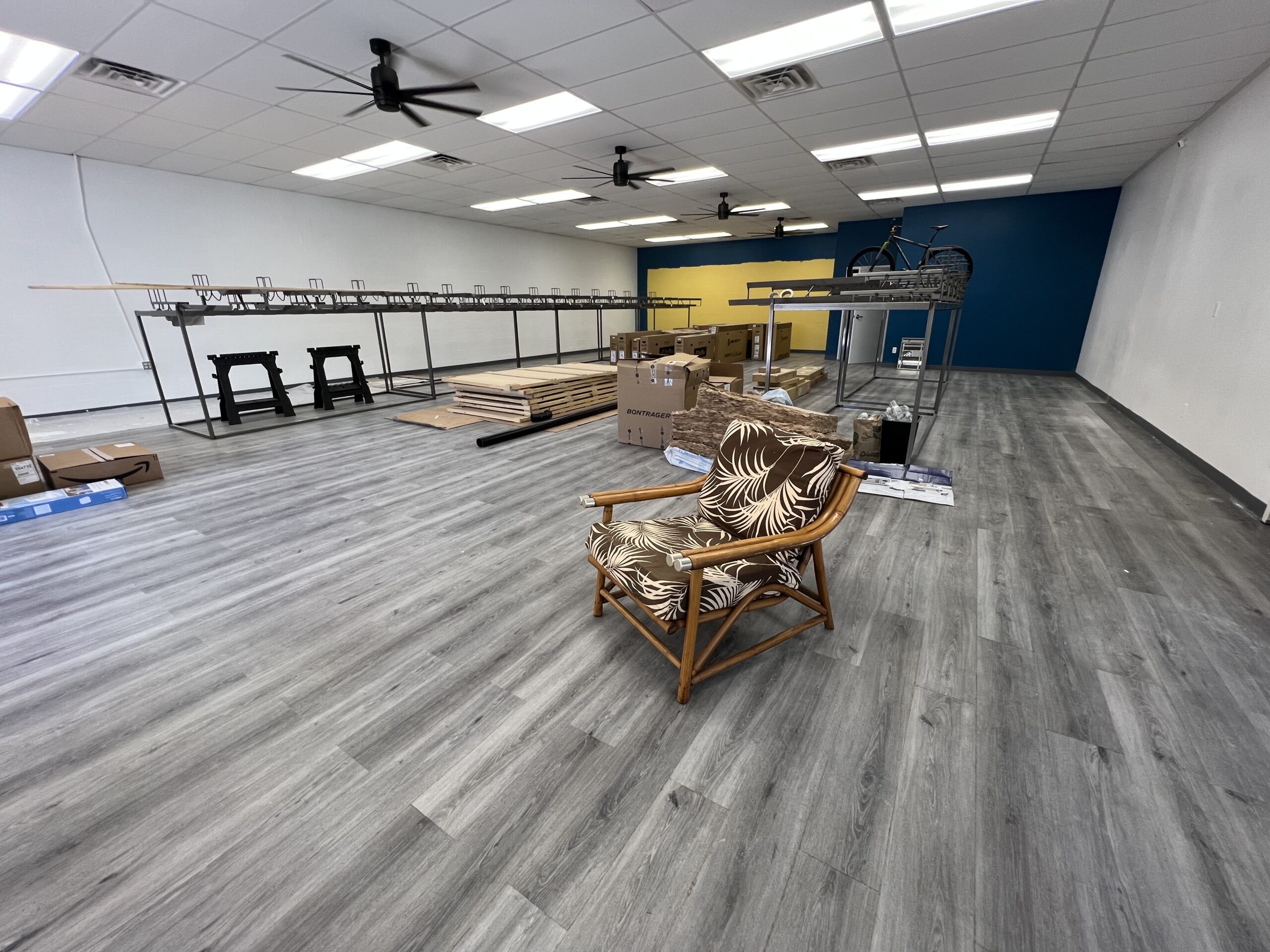
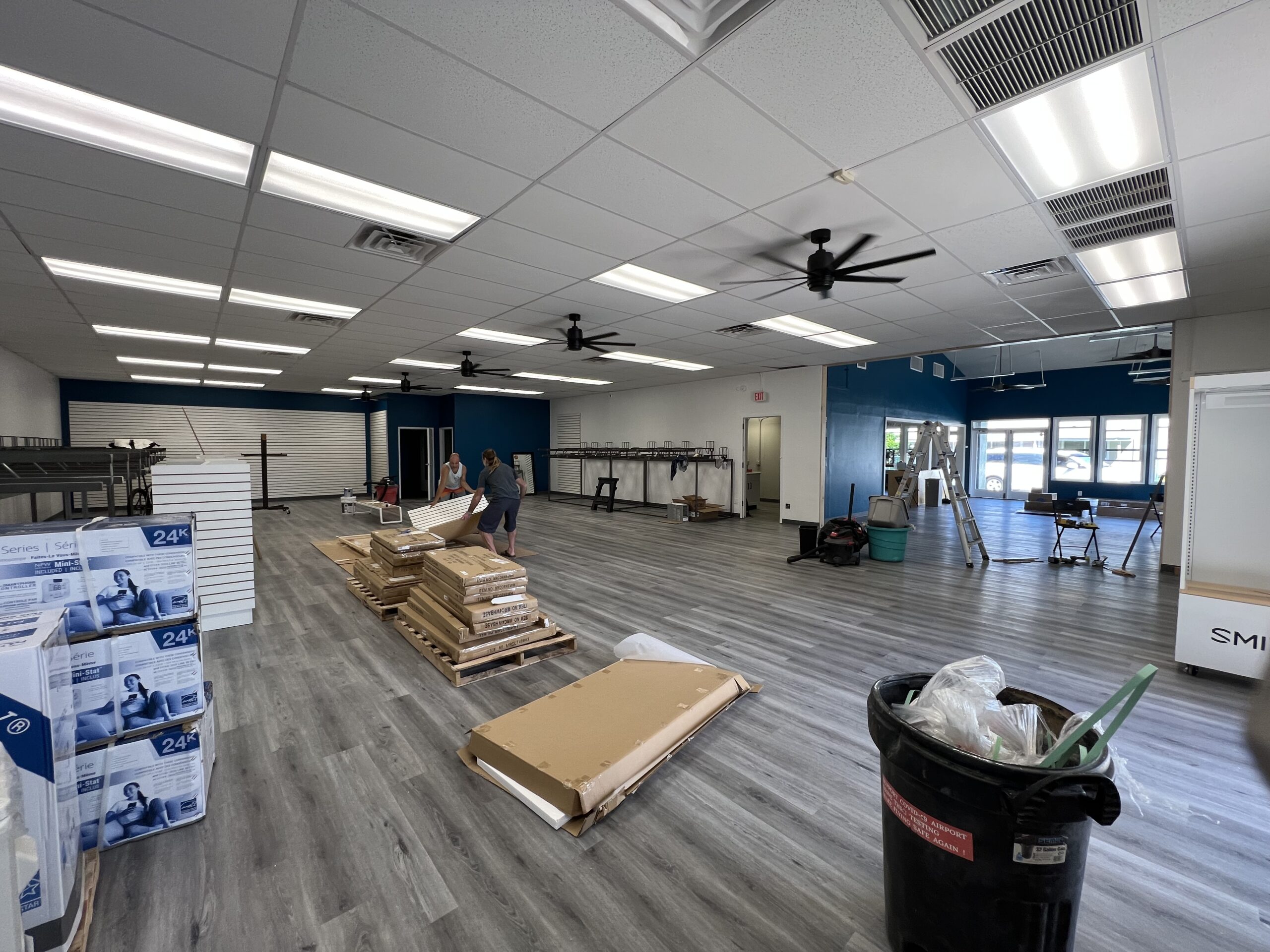
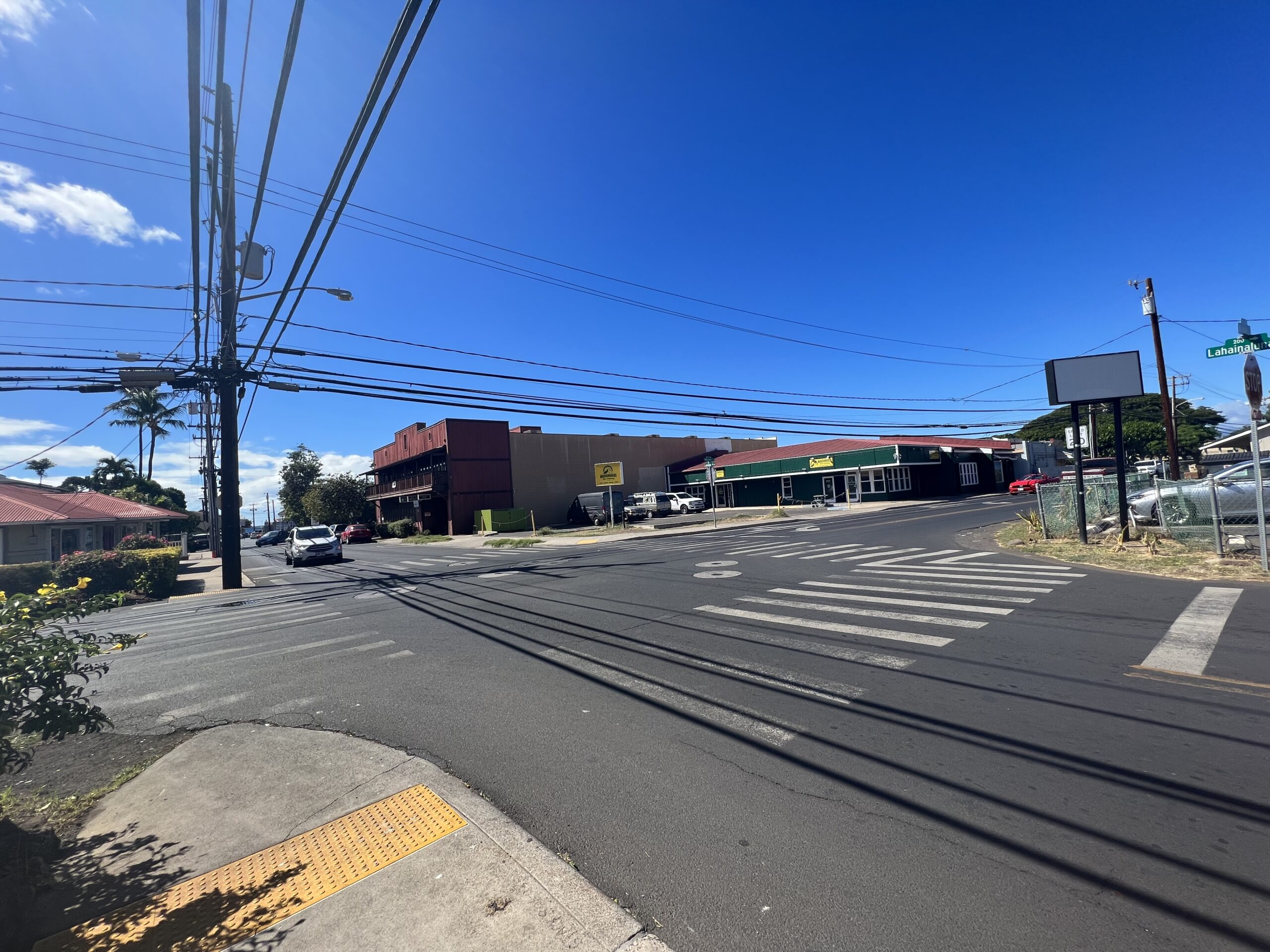
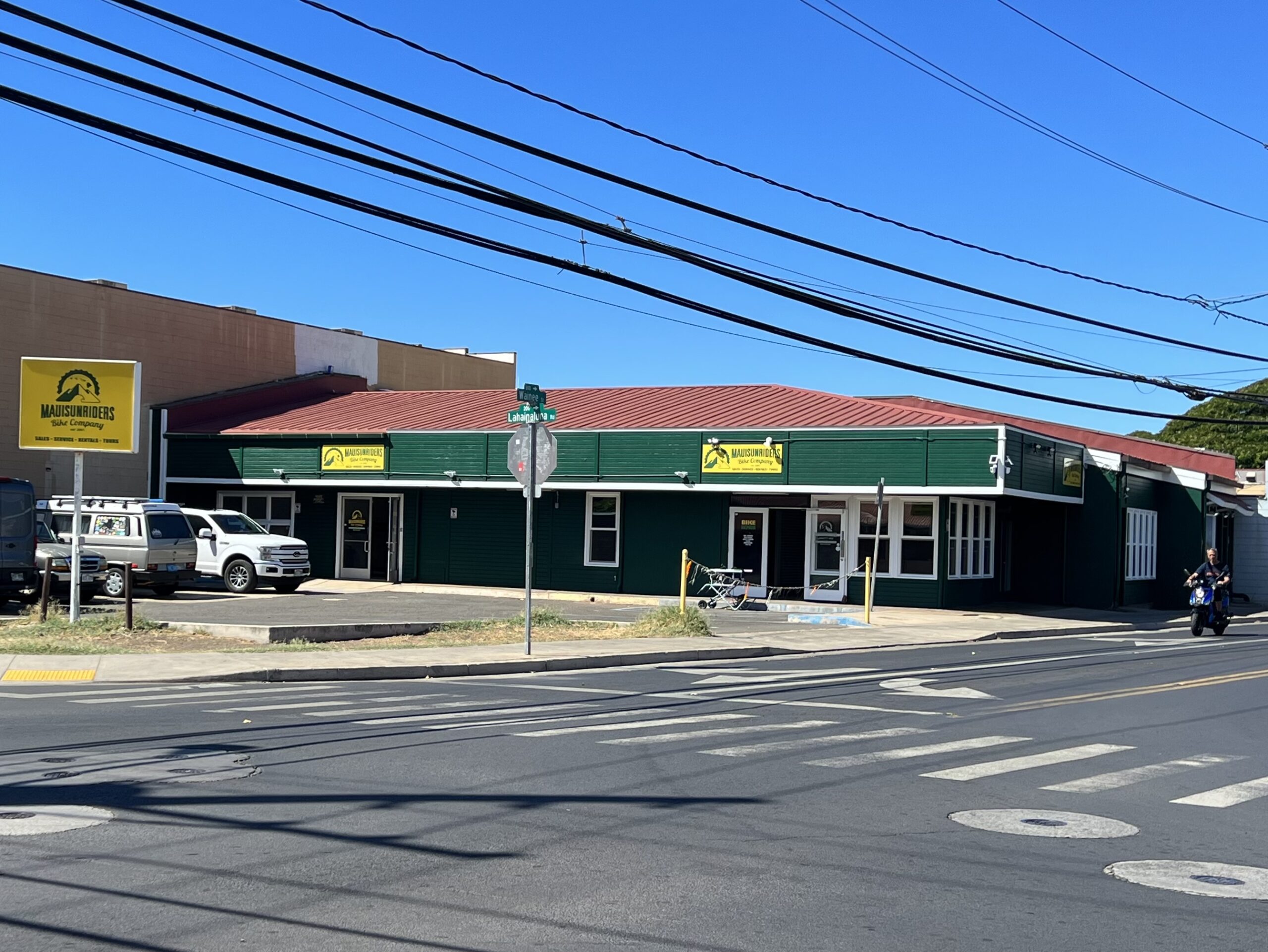
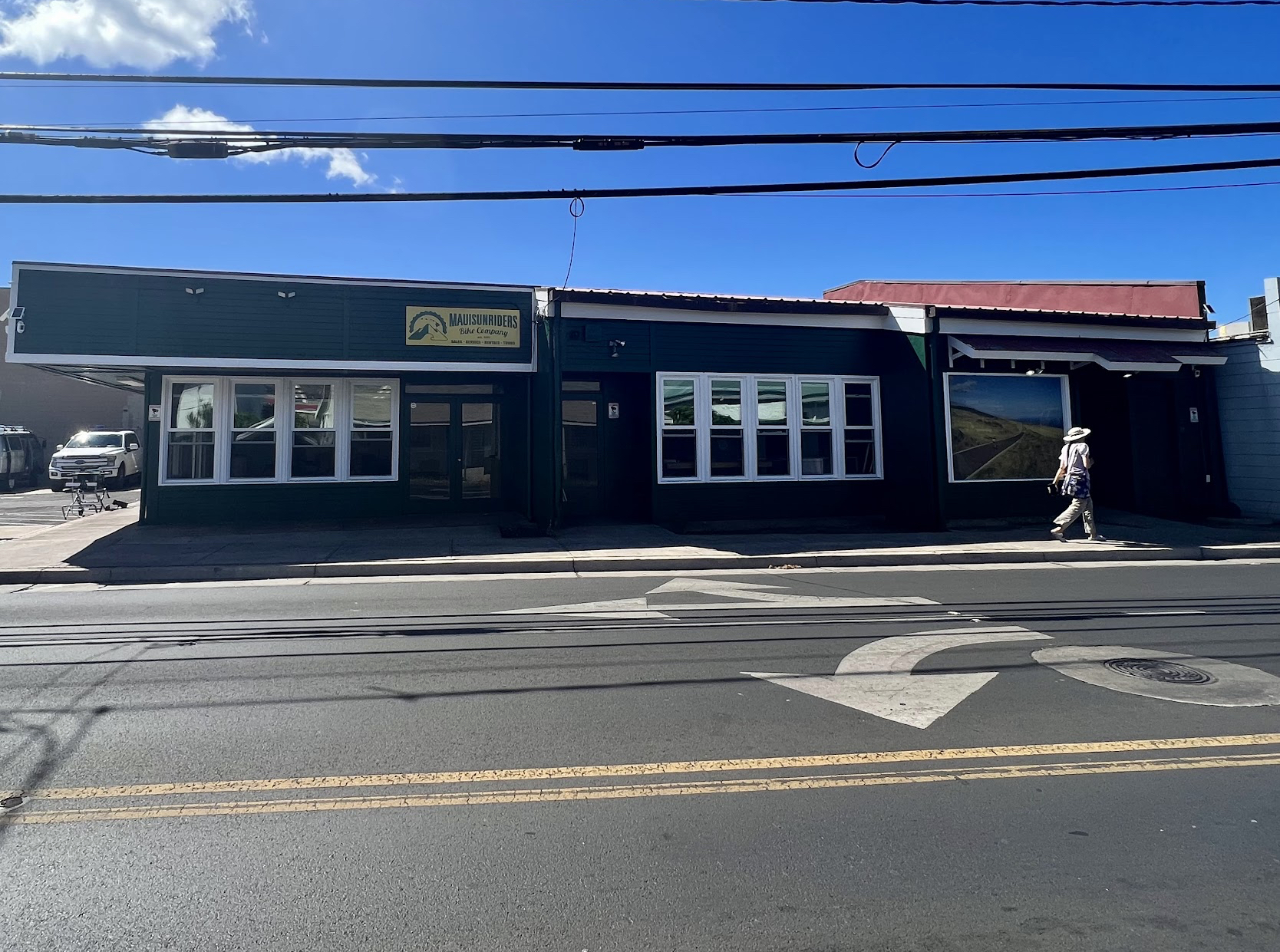
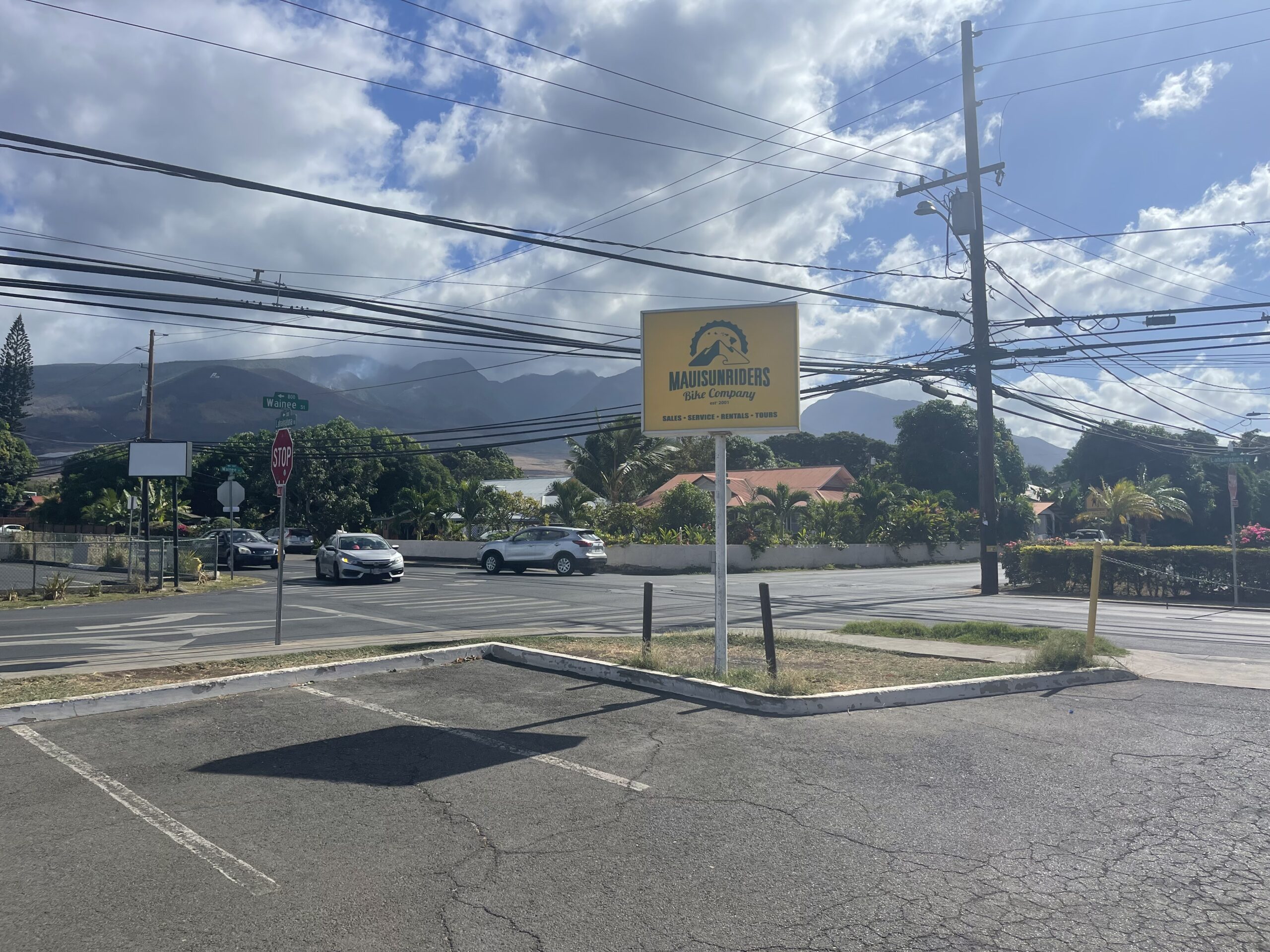
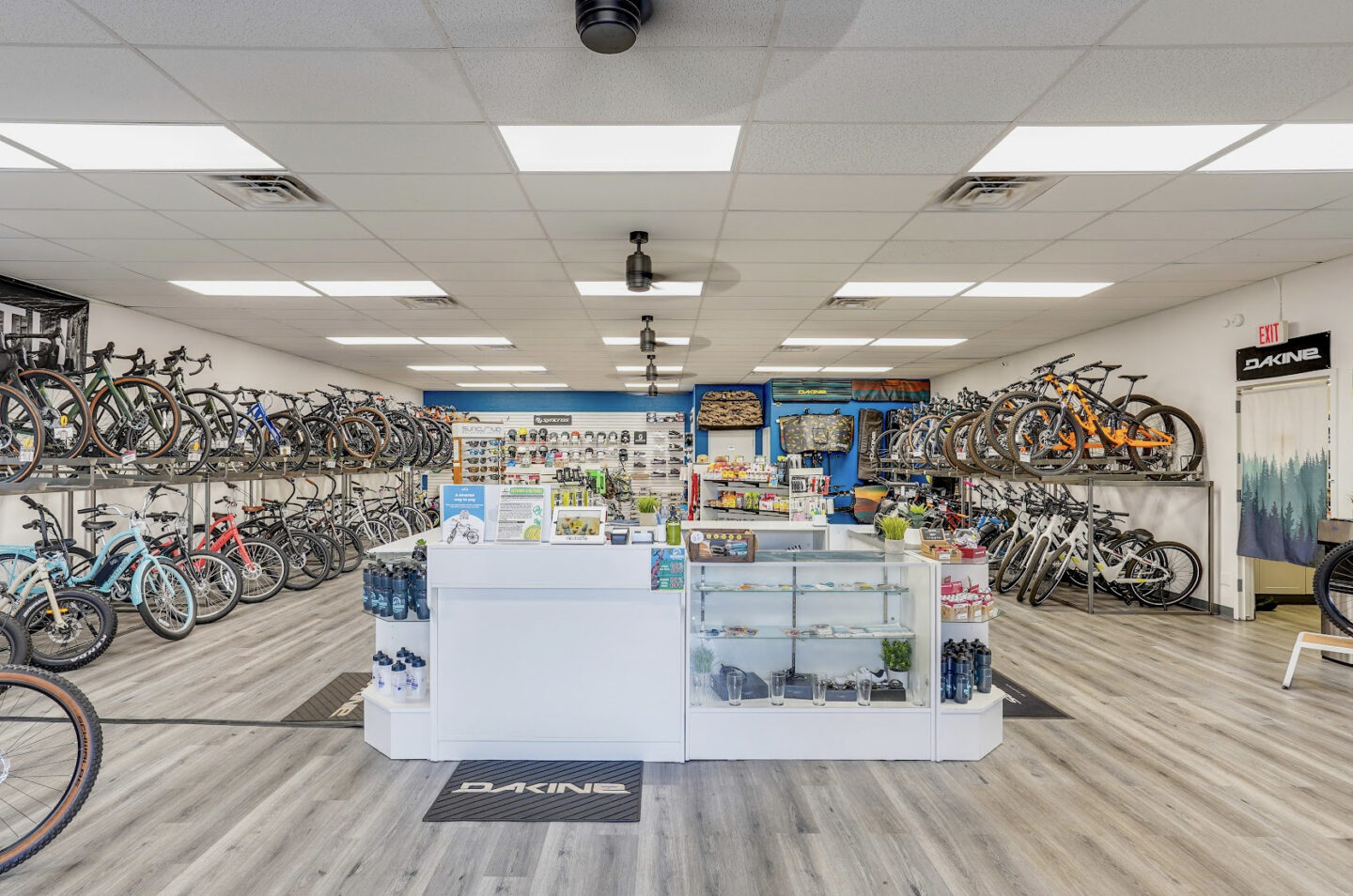
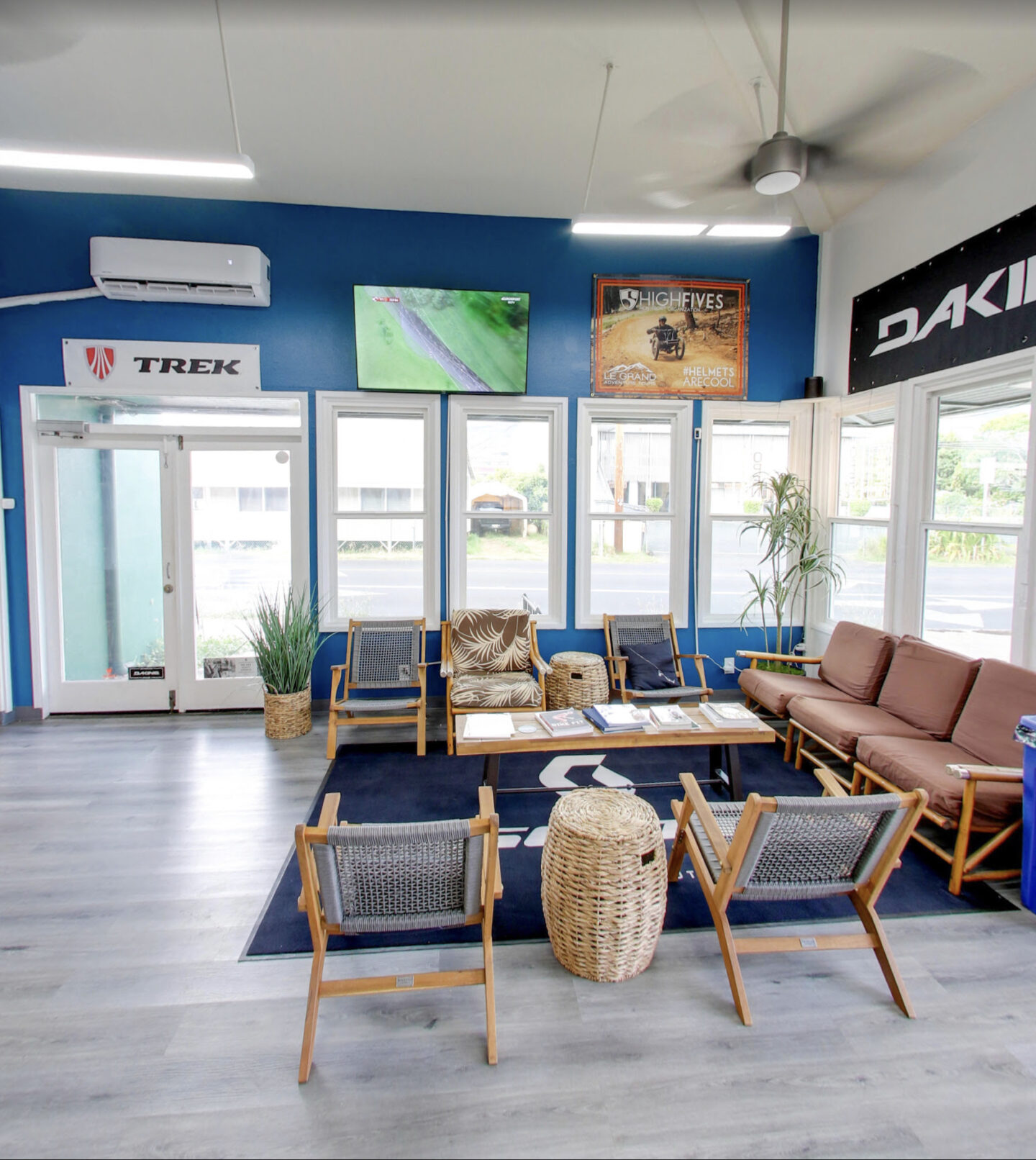
Lahaina town was our newest bike shop that rivaled many big shops on the mainland. We decided to build this new bike shop last fall to give back to our Maui community a spectacular sales, service and rental shop that was comparable to a pro-level shop on the mainland. We put months of blood, sweat and tears into this as we completely remodeled an old historic building on the corner of Lahainaluna Rd and Waine’e, one block from Front St in the heart of downtown Lahaina.
The local community came pouring in to thank us for making the community better in this area of town next to so many homes and businesses. We had many customers and friends that lived directly in the area that also lost their homes and businesses in this tragedy. Sadly, so many of our customers had bikes in the shop when we lost them. The team had been working on many community projects for the kids, bike safety, new bike paths and trails which we will continue to move forward as this is the heart of our local bike community. It is going to be a long road ahead but we the town and community will rebuild in time. Our passion for biking and love for Maui has never been stronger.

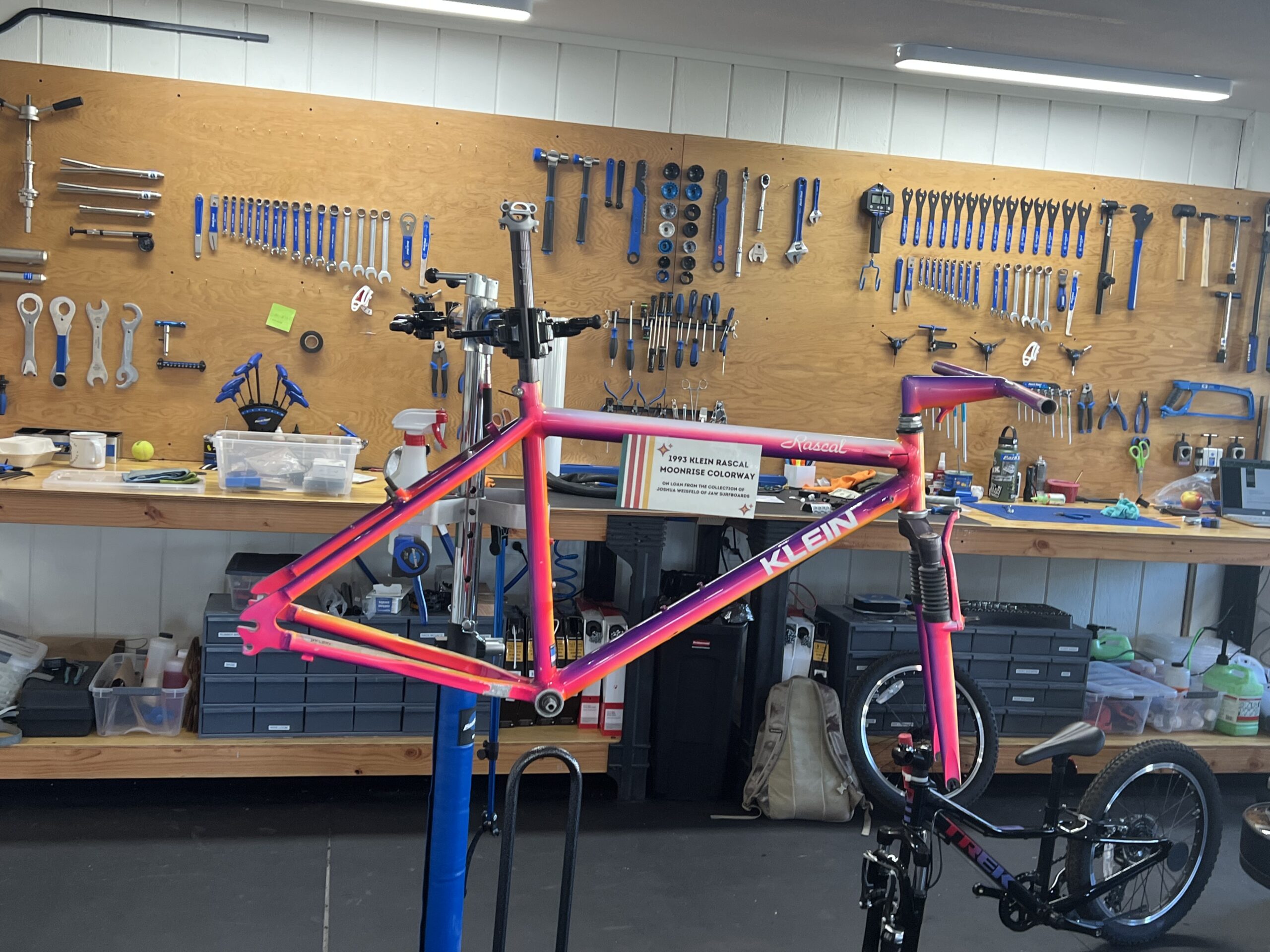
The impacts financially right now aren’t even fathomable. As the events that took place are also impacting our other locations with refunds and cancellations pouring in for the bike tour and rental side of our business as travel is not advised for the foreseeable future. We estimate about $75,000 in refunds that we will have to pay back in the coming weeks which we will honor. While insurance will be able to help recover some of the losses it will not be able to cover the $100s of thousand we poured into the building to make it what it was. The loss of tools, inventory, and so much more is hard to imagine. The devastating loss of customers’ bikes that burned as well as local art and vintage bikes showing the history of the sport were all lost. Our passion and drive will remain strong and we will push forward as bike transportation will always be important for every community.
 Maui Sunriders Bike Co. Owners Crystal & Jeff Robertson
“We poured our hearts & souls, blood, sweat & tears into remodeling & building our Lahaina Bike Shop in the center of Historic Downtown. For 1 ½ years my husband and i both worked 7 days a week to make our dream a reality. A Big Thank you to all of our employees that worked endlessly to Help us build such a beautiful space. This shop is sentimental to them as well. they poured their love into the building. We couldn’t have built these shops without them. thank you!” –Crystal
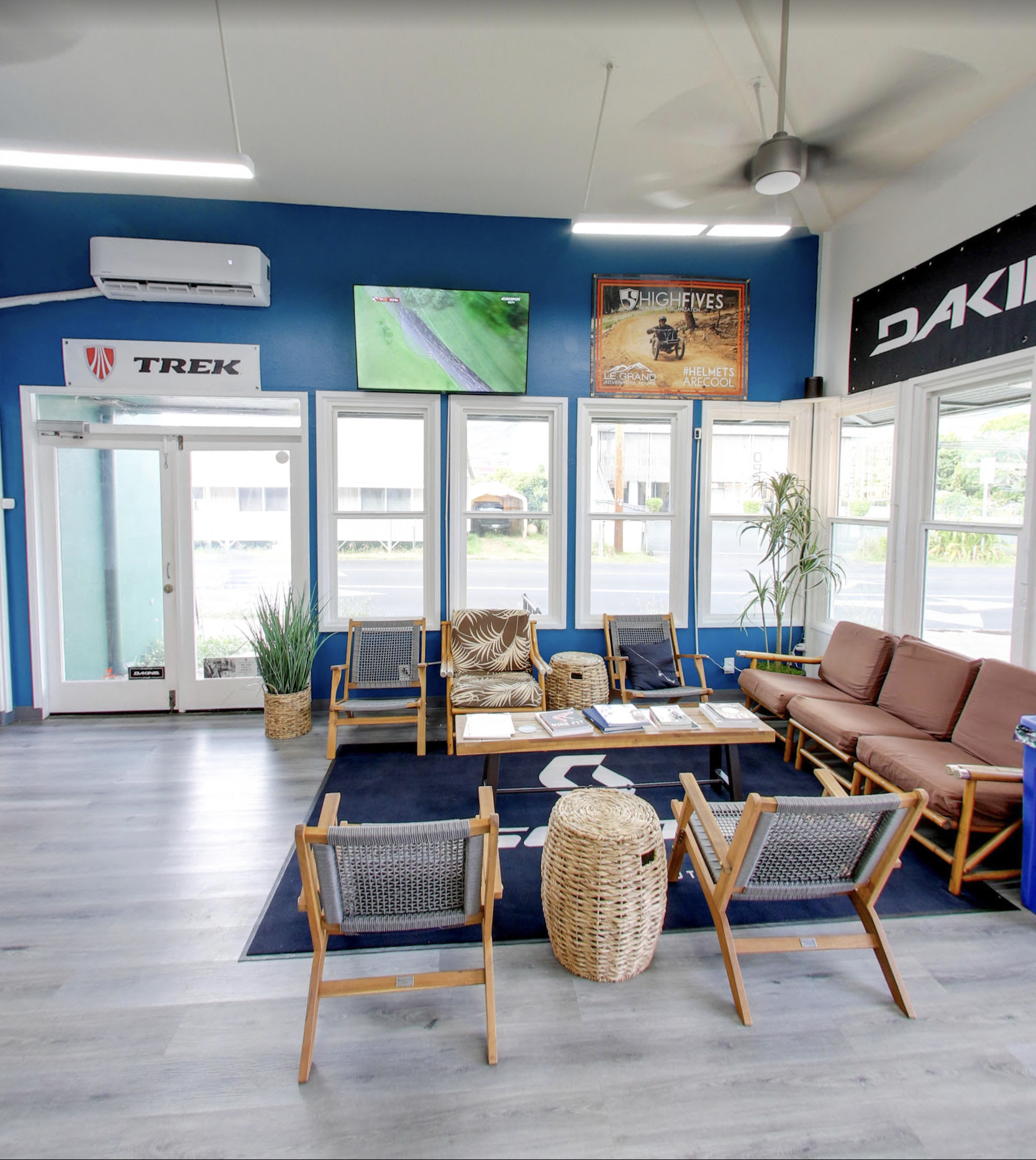
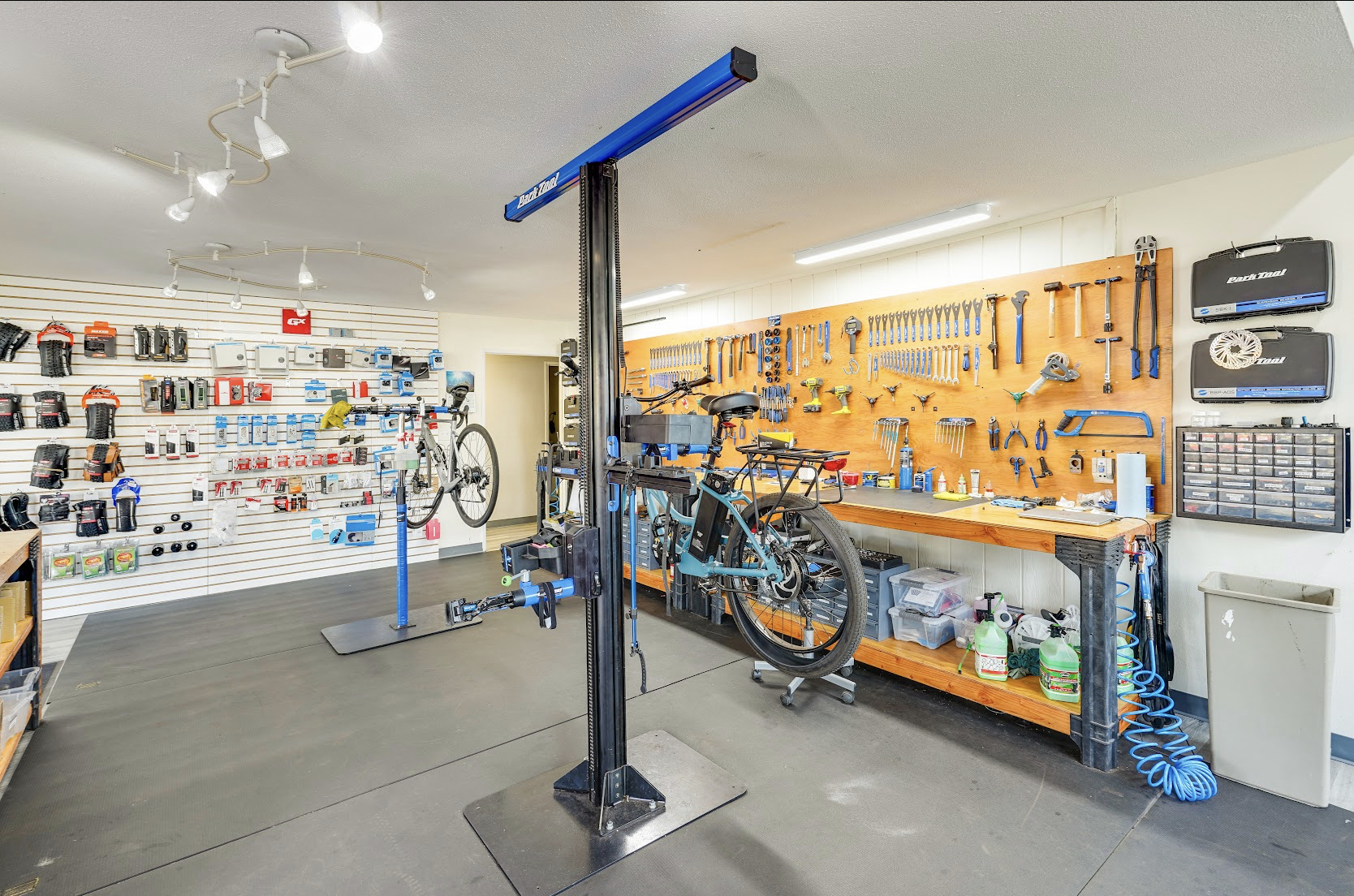
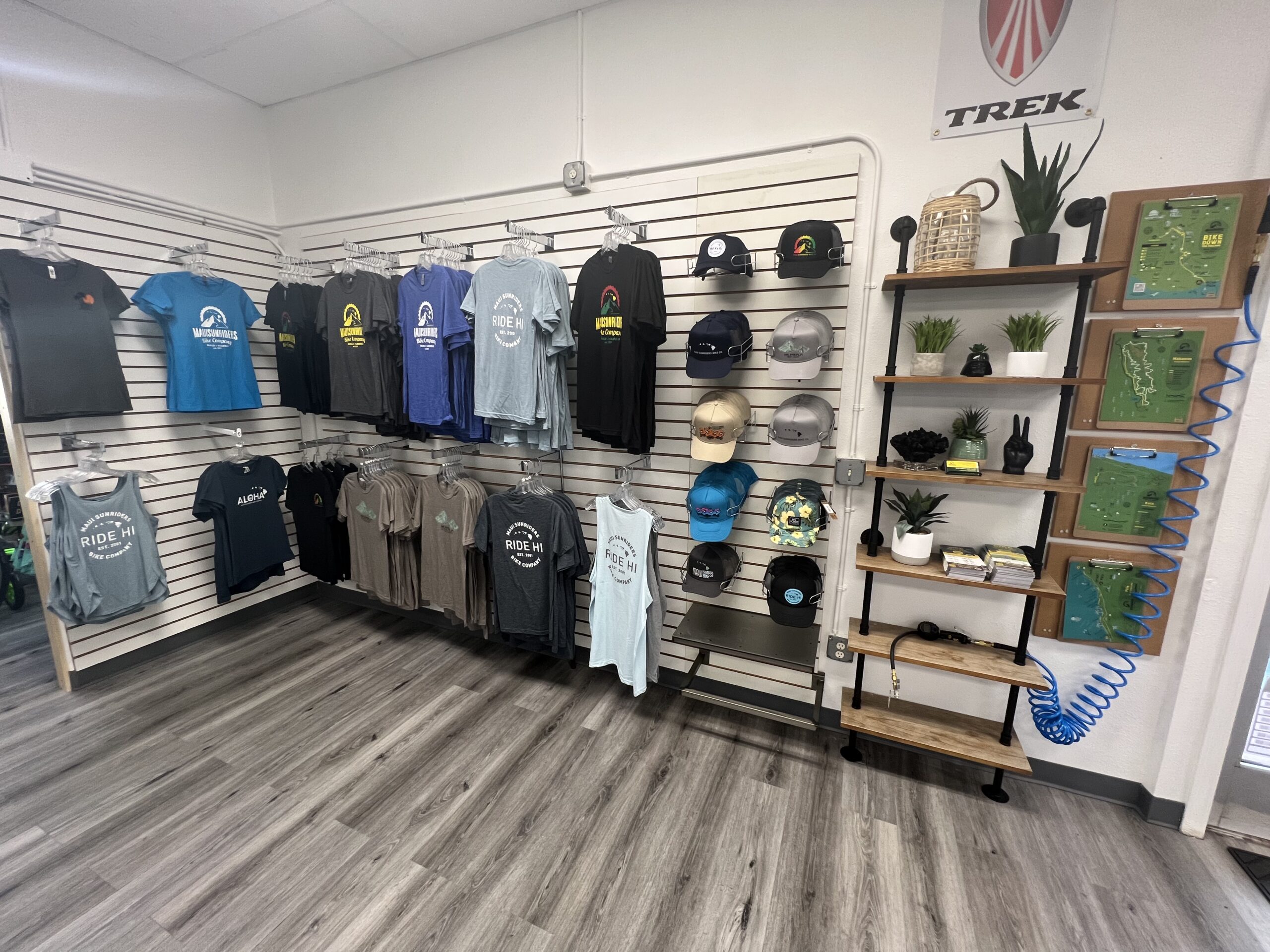
We had the below virtual tour made just a few weeks before the fire:
“What brought me the most pleasure from all of our hard work…was hearing locals thank us for cleaning up the neighborhood and making it safer. Parents thanking us for keeping their kids active and inspired to bike. If you were able to visit us in the 8 months that we were open, many visitors said this bike shop rivaled their mainland shops. Visitors from around the world even shared this was the coolest bike shop they had ever been in. There’s a lot of sentimental value that I will hold in my heart forever. Hearing customers thank us and reach out to us truly makes me proud to have delivered above expectation what we set out to offer the community.”
“I had a private dream I didn’t share with anyone, as an interior design major, I was hoping one day I could get this bike shop published in a Top 10 list of Best Bike Shops in America. It’s gone now and to look at all the pictures of us remodeling and building such a rad space is very heartbreaking. Extremely heartbreaking. If I could volunteer our shop to burn to save the rest… I would do so in a heartbeat. What makes this that much incredibly harder to bare is to see the complete devastation of the entire community, the loss of life, the historic architecture, character & culture, all Gone. We’re crushed right now.”
Crystal, Co-Owner
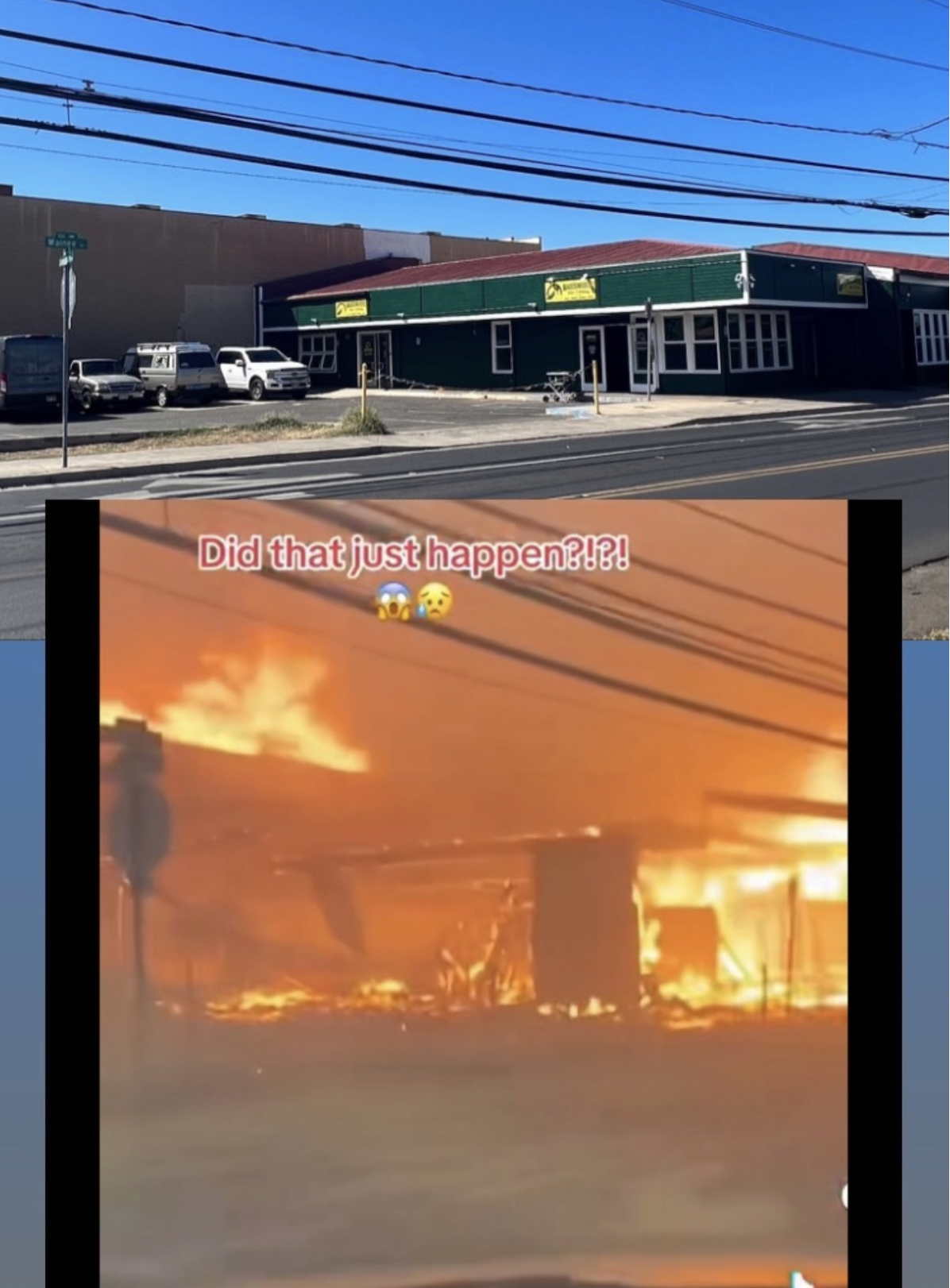 Lahaina Fire Engulfed New Maui Sunriders Bike Shop