Can You Go To Haleakala Without A Reservation?

Can You Go To Haleakala Without A Reservation?
can you visit haleakala without reservation

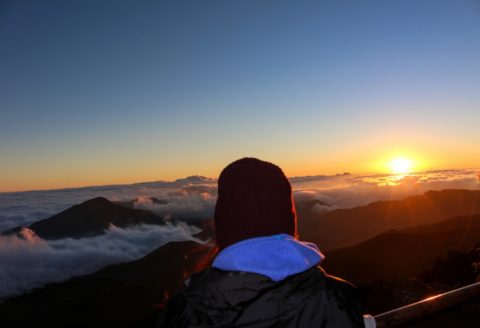
Are you planning a trip to Haleakala National Park? Or maybe you are thinking of heading up Haleakala to catch a view of the marvelous sunset? You are in good company! The park attracts thousands of visitors from all over the world annually, many of whom are drawn to the awe-inspiring sunrise and sunset views. 

Read on for some essential information on entering the Haleakala National Park. 

Haleakala Reservation Details 

So can you enter Haleakala National Park without a reservation? The short answer is: “yes”. You can head straight to the park without prior arrangements and have access to most of the facilities throughout most of the day.

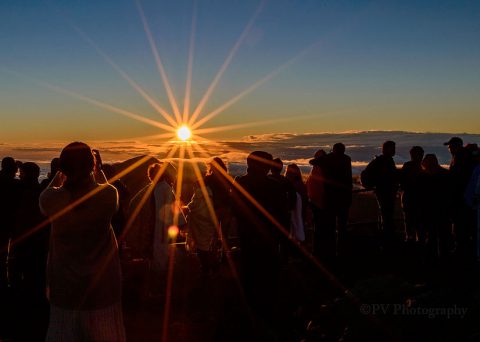
That being said, you will need to make a reservation if you want to enter the park between 3 a.m. to 7 a.m. This is when the park welcomes the early morning crowds that are eager to catch the spectacular Haleakala sunrise. The sunrise–and sunset–views are, in fact, among the biggest attractions in Haleakala National Park. 

Visitors are limited to a single-vehicle reservation within a three-day period. Reservations are granted per vehicle and are required for all vehicles entering the park between the times mentioned above. If you don’t have a reservation for your car, you can enter the park only after 7:00 a.m. 

The reservation requirements apply to all non-commercial vehicles entering the parking lots at the park’s four highest elevations: the Summit, the Haleakala Visitor Center, Kalahaku, and Leleiwi. 

Reservation tickets will have to be produced for all vehicles entering the areas mentioned above. The person who made the reservation will have to be part of the group in the vehicle and present identification that matches their name on the ticket. 

Keep in mind that reservation tickets for Haleakala Summit Sunrise viewing aren’t available at the park or the entrance to the summit. If you wish to gain entry to the park to view the sunrise, the only way to get a ticket is to make a reservation beforehand. 

On April 7, 2021, park administrators began allowing visitors to make reservations up to 60 days in advance.  

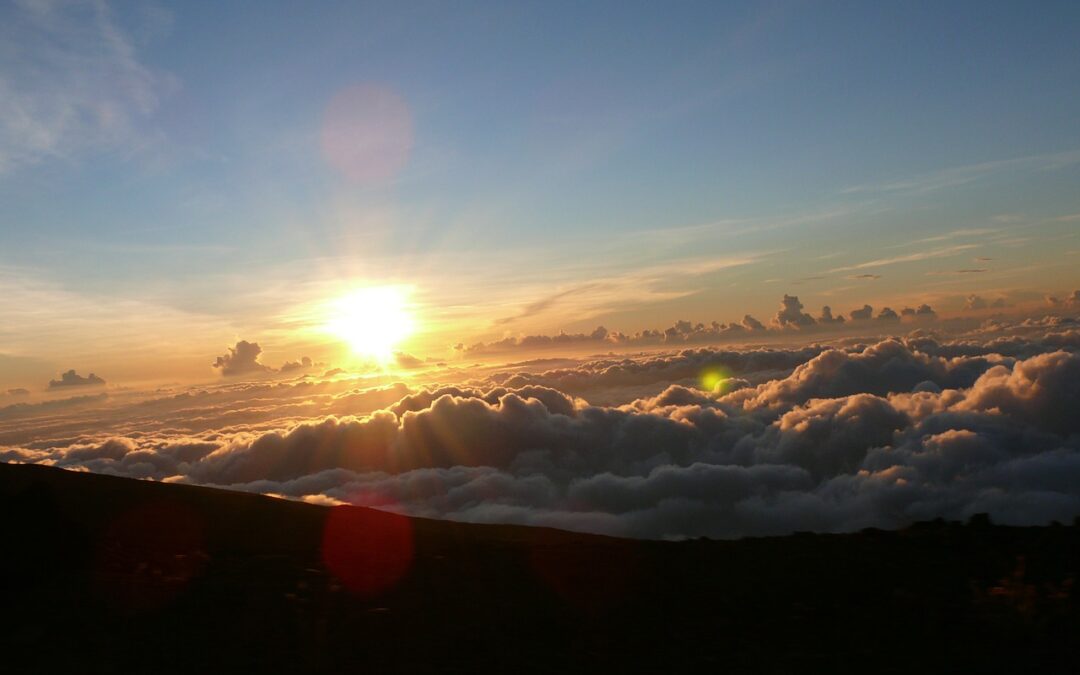
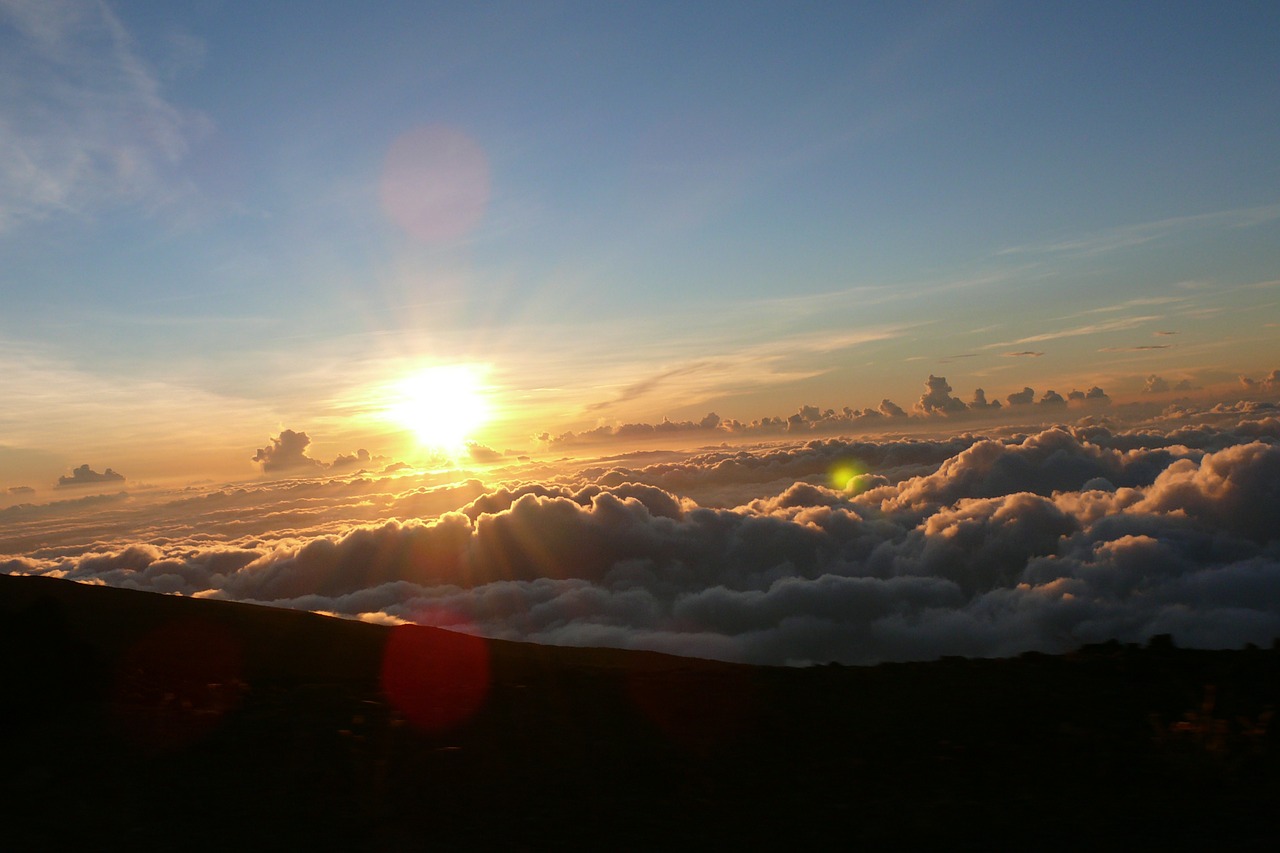
We also recommend looking into visiting the park around sunset. No reservations are needed to go to Haleakala to watch the sunset.

Haleakala Sunrise Reservation and Entrance Fees

The reservation fee for Haleakala Summit Sunrise viewing is $1.50 per vehicle. This fee is non-refundable and cancelations are not accepted regardless of the weather conditions. Reservations are available throughout the year. 

Apart from the reservation fee, you will also have to pay the entrance fee to the park. Credit cards are accepted, and it is advisable to choose this payment option to reduce the waiting time at the entrance. 

You could also enter the park by presenting any of the following passes: Annual, Senior, and Access. Most other interagency passes will be accepted as well, including the Annual Hawaii Tri-Park pass. 

Discounts are not available for sunrise reservations. If you do use any of the passes mentioned above, you will be asked to present a photo ID. 

Other Haleakala Visiting Arrangements 

Upon entry to the Haleakala National Park, you have to present your reservation ticket or confirmation email. You will also be requested to provide a photo ID with the name matching the reservation ticket. 

Keep in mind that reservations do not include parking at a specific spot in the parking lot. Instead, park staff will direct you to the nearest available parking space. 

Making the most of Haleakala National Park

As you can see, entry requirements to Haleakala National Park are pretty straightforward. While it is possible to enjoy the park at any time of day without a reservation, making a reservation is essential for enjoying what is arguably the park’s main attraction. However, any local will tell you that the Haleakala sunset is far better than sunrise. It’s warmer, doesn’t require a reservation, and you can hike for a bit before watching the sunset.  

As with any other tourist spot, it is always a good idea to plan ahead and consider the time of year. Haleakala National Park attracts plenty of visitors throughout the year, but summer and holidays can be especially crowded. 

During these times, it would be wise to make your reservations well in advance. Remember that you can now reserve a slot up to 60 days before you are planning to visit. 

Don’t wait until the last minute to make a reservation. Book early, give yourself plenty of time to get there, and don’t forget your reservation ticket and photo ID. Follow these tips, and you should have no trouble getting in and enjoying the majestic sunrise and sunset views that Haleakala is known for.

Haleakala sunsets and sunrises are breathtaking experiences, but they aren’t the only lifetime memories Haleakala offers its visitors. Experience the most out of it with a self-paced Haleakala downhill bike ride!

How Cold Is It on Top Of Haleakala

How Cold Is It on Top Of Haleakala

Haleakala Sunrise

Are you planning a trek to Haleakala? It would be wise to be prepared as the conditions near the summit can get pretty nippy! If you are heading to the area and plan on reaching the summit, read on for some essential information. 

Some Facts About Haleakala National Park 

Before we go into the specifics of what you need to prepare for Haleakala, here’s a quick backgrounder. 

Haleakala is a dormant volcano located in Haleakala National Park on the island of Maui. The park itself is a hugely popular tourist attraction, drawing thousands of visitors from all over the world every year. It covers an expansive 33,265 acres of land, more than 24,719 acres of which are wilderness. 

It was in 1976 that Haleakala National Park was designated a national park. In 2005, the park’s boundaries were expanded to its current land area. It currently consists of two sections: the summit and Kipahulu, which is the coastal area.

The name “Haleakala” means “house of the sun” in Hawaiian. The story goes that the demigod Maui sought to lengthen the day by imprisoning the sun on the peak. 

Whether you believe the legend or not, the fact remains that Haleakala offers an excellent vantage point from which you could view the sunrise or sunset. As expected, much of the activity in the area takes place during these specific times of the day. 

The local spelling of the name is actually “Haleakalā”, although it is commonly spelled “Haleakala”. In 2000, the area’s inhabitants sought to make “Haleakalā” the official spelling by proposing the Hawaiian National Park Language Correction Act. The proposal did not pass into law, however, so both spellings are acceptable usage. 

The volcano has remained dormant for more than 500 years. Its last eruption was thought to have taken place sometime between the 15th and 17th centuries. 

How cold is it at the top of Haleakala? 

So how cold is it at the summit of Haleakala? Despite being located in a temperate, tropical region, it can get pretty chilly up near the volcano’s summit. In the summer, you can expect temperatures to reach the high fifties. The winter months are considerably colder, as you would expect, with temperatures often dipping below the freezing point. 

But even during the summer months when the temperatures down at sea level are generally mild, the wind-chill factor toward the volcano’s summit can result in somewhat frigid conditions. 

This should give you an idea of how cold it can get near the peak of Haleakala: 

Let’s say the temperature at the foot of the mountain is a comfortable 60° F. For every 1,000 feet you ascend, you can expect the temperature to decrease by about 3° F. Since Haleakala is about 10,000 feet at its highest point, you can expect the top to be about 40°-50° F in the summer, and about 20°-30° F in the winter when it’s snowing.

Even our Self-Guided Haleakala Downhill Bike Tour can feel a little cold. At 6500 feet in elevation, the temperature is about 50°-70° F. 

Suitable attire for Haleakala TEMPERATURES

Considering how cold it can get at Haleakala, you will need to think about what clothes you will wear on your Haleakala tour and what you will bring. 

If the weather is mild and you plan to spend most of your time near the foot of the volcano, you probably won’t need to dress warmly. Throughout most of the year, the temperatures are comfortable enough that you probably won’t need to wear a coat or gloves. At most, you might need a light jacket to wear over your shorts and t-shirt. 

Keep in mind that the temperature might change any time, particularly during the colder months of the year. It’s a good idea to bring a beach towel with you just in case the wind chill gets too much. In any case, the towel will come in handy if you are headed to the beach afterward. 

Of course, you will have to dress for the cold if you plan on catching the sunrise. Jeans or sweatpants should be sufficient, although you will want to wear thick socks and closed shoes as well. It is also a good idea to bring a heavy jacket or coat, and possibly a hat and some gloves if you are particularly sensitive to the cold. 

Trekking up Haleakala is one of the most enjoyable things you could do on Maui. Make sure to plan ahead and find out what the conditions are like before heading out. Wear the appropriate clothing and be prepared for sudden temperature changes, and you should be just fine. We also recommend checking out Haleakala during the day after trying out our Self-Guided Haleakala Downhill Bike Tour.

Should See the Haleakala Sunrise or Sunset?

Should See the Haleakala Sunrise or Sunset?

Haleakala SunriseSeeing the summit of Haleakalā, Maui’s largest volcano, is one of the most popular things to do in Maui. The cinder landscape of this dormant volcano with its unique wildlife is an incredible sight to see. But when should you go? Many travel early in the morning to see the Haleakalā sunrise. Others wait to travel in Upcountry to the Summit area later in the day to see the sunset.
Either way, you can watch the sunrise or sunset and have time to experience our Haleakalā bike tour. On our self-guided tour you get to bike through Upcountry Maui and see it up close as you bike down all the way to sea level. On this bike tour – from the mountain to the sea – you’ll see a variety of different wildlife and picturesque countryside landscapes that stretch out to the ocean; you can stop to eat at a restaurant nestled on the slopes of Haleakalā; or you can spend a while in one of the charming small towns along the way to shop, eat, or browse one of their numerous art galleries.

It’s worth planning to see the incredible sunrise or sunset over the landscape of the Haleakalā Crater. Which is better? Both are amazing sights, but here are a few things to consider:

haleakala sunrise bike tours

Haleakalā sunrise.

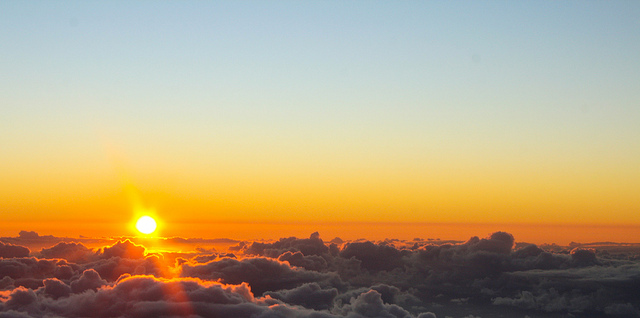
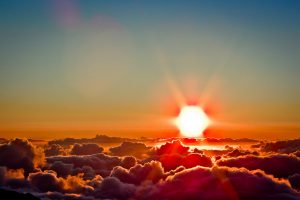
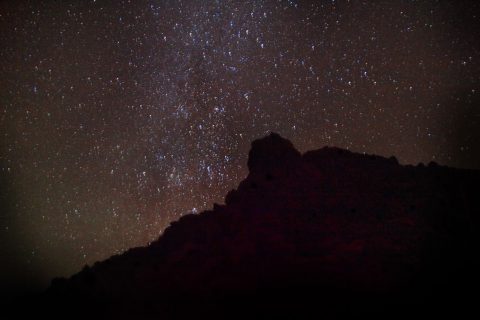
Most visitors to Maui are jetlagged the first few days they are here. So take advantage of automatically waking up early and see the unforgettable Haleakalā sunrise. If you’re at the Summit a little before sunrise, you can also see the amazingly clear sky filled with stars. Watching the Haleakalā sunrise, seeing the explosion of colors as the sun rises above the clouds at 10,023 feet above sea level, is truly awe-inspiring.

Haleakalā sunset.

Of course, the main perk to waiting until the evening to venture up Haleakalā is that you can sleep in. This may be more important to some. However, if you do experience jetlag on your trip, you may want to wait until the end of your Maui vacation when you get adjusted to the time.

haleakala sunset

The sunset on the peak of Haleakalā is also a gorgeous sight. Many like to visit Haleakalā at night not only to view the picture-perfect sunset but also to afterward see the night painted with bright twinkling stars.

“Temperatures immediately before dawn and immediately after dusk are regularly below freezing,” the Haleakalā National Park Service cautions, so both sunrise and sunset will be pretty cold, and you’ll thus need to dress pretty warm.

Overall, many locals will say that the sunset experience on Haleakalā is the best! Being above the clouds when the sunsets over the mountain is unforgettable. The convenience of not getting up early maybe more appealing to some. If you have the chance while in Maui, you should see both of these amazing phenomenon.

How does the Bike Ride Fit Into All of This?

If you opt for the sunrise option, keep in mind it is very crowded and you do need to wake up around 2am to get up the volcano in time. It will be cold so dress warm & bring layers. Since our tour starts at 9am, guests that still want to experience sunrise on their own and save a bundle of money, go up on their own and then drive down immediately following sunrise. It takes about an 1 hour 30 minutes to come down and reach our shop in Paia (Leave no later than 7:30am, keep in mind everyone will be leaving at the same time after sunrise). Once you arrive in Paia, Park your car for the day and we will shuttle you up for your bike ride.

We used to offer sunrise bike tours for 18 years and concluded offering. To book a sunrise tour with any operator these days will cost you about $200-$220 per person due to changes within the National Park system! Our tour is only $70. We share with our guests the option to catch the sunrise on your own for a $25 park entrance fee per car and a $1.50 online reservation fee through the National Park website. (book ahead! or better yet – do sunset!) Save $265+ and do sunrise or sunset on your own and have a more personal experience at the summit.

Haleakala SunriseFurthermore, when you do a sunrise/summit downhill option, you have to get back in the shuttle van and drive down to 6500ft’ where all bike tours are Permitted to start and that is where we begin our ride…(right outside the National Park entrance.) You don’t get to bike down from the summit! We offer the longest self-guided downhill, with the least amount of climbing. We are the only physical bike shop for the Downhill bike tour in Paia.

Riders are often groggy and sleepy while biking which isn’t safe. You will be biking down with all the sunrise traffic coming down the mountain as well as local rush hour and for some that can be a little unnerving. With our ride beginning later, there are less cars on the road which makes it safer and a more comfortable ride down. Also most of the shops & restaurants that you get to explore on our self-guided tour will be closed in the early morning during the sunrise rides which is only part of the reason we believe that the sunset tour beats the Haleakala sunrise bike tour.

For the sunset option, finish your bike ride leisurely. Enjoy Paia and the beaches after the ride…and then drive up and watch the sunset. Bring a towel, warm clothes, beverages of choice, Hawaiian picnic and watch the spectacular sunset! You can enter the park an hour early and explore the park, hike around a bit and see it more than you would at sunrise.

It’s also warmer at the crater than it will be waiting for the sun to rise. You can look up at the volcano and see if the weather is to your liking to view the sunset! Keep in mind all the sunrises and sunsets are 50/50 that you will have incredible views due to our tropical weather and clouds that come through. At least for sunset you can decide if it’s worth it but for sunrise it’s all or nothing, due to your reservation and it’s dark so you can’t totally see the weather. It will be cold once the sun begins to set so dress warm & bring layers.

(First photo by Courtney Collison via Flickr)

(Second photo by Divya Thakur via Flickr)

So what’s the best way to see Haleakala? Sunrise or Sunset? We recomment you experience the wonders of the Haleakala downhill bike tour and save yourself some money by visiting the sunset afterwards.