Different Types Of Bikes: How To Choose The Right Bike

Different Types Of Bikes: How To Choose The Right Bike

Whether you’re just getting into cycling or looking to upgrade your current ride, choosing the right bike is essential. With numerous bike types available on the market today, it can be overwhelming to know where to begin. 

The ideal bike depends on your goals, riding style, terrain, and level of experience. From road warriors to beach cruisers, this guide breaks down all the major bike categories so you can find the perfect two-wheeled match. 

Why Choosing the Right Bike Matters

Selecting the correct type of bike is more than a matter of style — it directly affects your experience, safety, and long-term enjoyment. 

Comfort and Performance 

Riding a bike suited for your body and terrain makes for a more enjoyable ride. A well-matched bike reduces strain on your joints, improves riding efficiency, and minimizes fatigue.  

Whether you’re gliding along Maui’s coast or climbing mountain switchbacks, the right fit delivers a smoother, more rewarding journey. 

Safety and Skill Level 

Each type of bike is designed for specific conditions and skill levels. A mountain bike handles rocky paths well but may not be efficient on paved roads. Beginners will benefit from bikes with stable geometry and responsive brakes.  

Choosing wisely helps prevent accidents and keeps you confident on every ride. 

Matching the Bike to Your Lifestyle 

Do you plan to commute, explore trails, tackle fitness goals, or enjoy casual weekend rides? Your bike should align with your day-to-day needs and long-term plans.  

Understanding your riding habits ensures you pick a bike that supports your lifestyle without compromise. 

Main Types of Bikes Explained 

Let’s explore the most common types of bikes and what each is best suited for. 

Road Bikes 

Best For: Speed, paved roads, long distances 

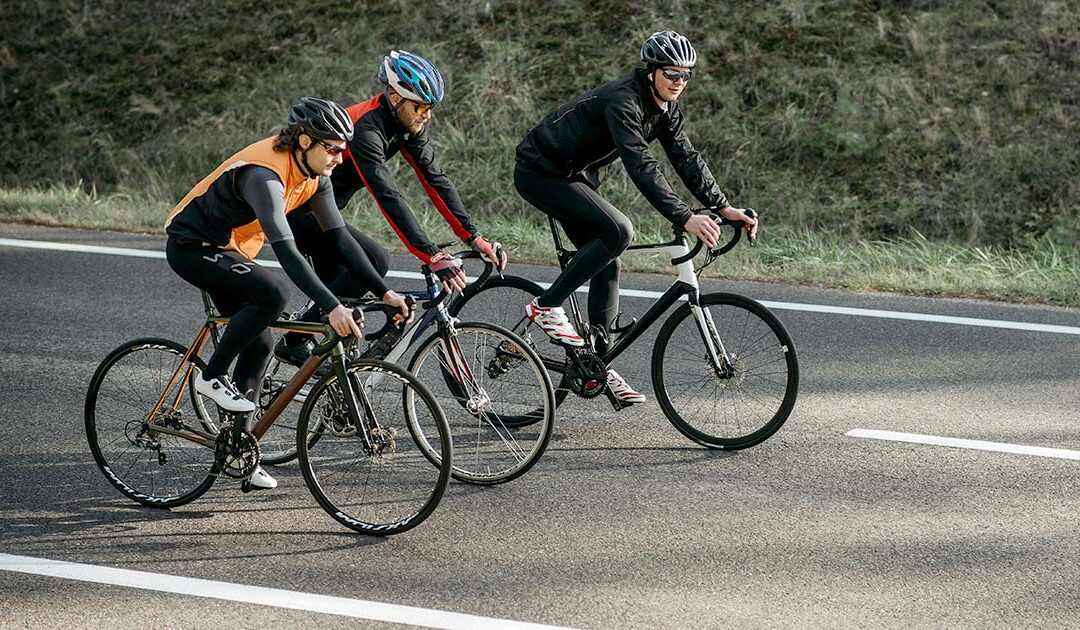
Road bikes are lightweight, featuring thin tires and drop handlebars, designed for speed and endurance on smooth pavement. They’re perfect for fitness rides, group cycling, and long-distance touring. 

Not Ideal For: Off-road or casual use 

Their delicate tires and aggressive riding posture make them less comfortable for beginners or rough terrain. 

Mountain Bikes 

Best For: Trails, dirt, rough terrain 

Mountain bikes are designed to handle rocky, uneven paths. They have flat handlebars, durable frames, and suspension systems (either front or full) to absorb shock. 

Key Features: Suspension, wide tires 

Knobby tires and powerful brakes give mountain bikes superior control and traction off-road. 

Hybrid Bikes 

Best For: Casual riding, light commuting 

Hybrids combine features of both road and mountain bikes. They typically feature flat handlebars, medium-width tires, and a comfortable, upright riding position. 

Combining features of Road and mountain bikes 

Hybrids are ideal for bike paths, commuting, and recreational rides around town. They’re versatile but not specialized for high-speed road cycling or rugged trail riding. 

Cruiser Bikes 

Best For: Beach paths, leisure rides 

Cruisers are all about comfort. These bikes feature wide, cushy seats, balloon tires, and high handlebars, providing a relaxed, upright riding posture. 

Features: Upright posture, wide seats 

Perfect for coastal boardwalks or mellow island rides, cruisers prioritize comfort over speed or technical ability. 

Electric Bikes (E-Bikes) 

Best For: Commuting, reducing effort 

E-bikes feature a built-in motor that assists pedaling, making hills and long rides easier. They’re great for riders who want to travel further with less strain. 

Options: Pedal-assist or throttle-powered 

Pedal-assist systems amplify your pedaling effort, while throttle-powered options provide motor-driven movement without requiring you to pedal. 

Gravel Bikes 

Best For: Mixed terrain, bikepacking 

Gravel bikes resemble road bikes but are built to withstand the rigors of dirt roads, gravel paths, and light trails. They’re becoming increasingly popular for adventure riding and long-distance touring. 

Combines: Road bike speed with off-road capability 

They offer drop bars, wide tires, and stable geometry to handle a variety of surfaces.  

Folding Bikes 

Best For: Urban commuters, small spaces 

Folding bikes collapse into compact shapes for easy storage in apartments, offices, or buses. They’re a favorite among city dwellers and travelers. 

Key Feature: Portability 

Though not built for speed or rough terrain, folding bikes are a practical solution for limited space and mixed-mode commuting. 

BMX Bikes 

Best For: Tricks, jumps, skateparks 

BMX bikes are built for short bursts of power, jumps, and stunts. They have small frames, single gears, and are often used by younger or more advanced riders in skateparks or dirt courses. 

Not Ideal For: Long-distance riding 

Because of their size and design, they’re not suited for commuting or extended road rides. 

How to Choose the Right Bike for You 

Knowing the different types of bikes is just the first step. Here’s how to choose the best one for your needs. 

Consider Where You’ll Ride 

Are you tackling forest trails, urban streets, or coastal roads? Your terrain dictates the bike features you’ll need. Maui riders, for example, might favor cruisers or hybrids for beachside rides, or mountain bikes for the slopes of Haleakalā. 

Factor in Your Fitness Goals 

Do you want to boost cardio, commute to work, or ride casually on weekends? Road bikes are ideal for fitness and endurance training, while cruisers are better suited for leisurely rides. 

Think About Budget and Maintenance 

High-end bikes offer premium components, but entry-level models are also suitable for beginners. Also, consider long-term maintenance. E-bikes, for instance, may require more upkeep than simpler models. 

Test Ride Before You Buy 

A bike may look perfect on paper, but comfort is a personal preference. Visit a local bike shop, such as Maui Sunriders, to try out different styles and models. Feel the fit, brake responsiveness, handlebar position, and saddle comfort before making a decision. 

FAQs About Choosing a Bike 

  • What’s the best bike for beginners?
    A hybrid or cruiser bike is often best for beginners. They offer a comfortable, upright riding position and are easy to handle. If you’re planning to explore trails, consider a hardtail mountain bike for added stability and control.
  • Can one bike handle multiple terrains?
    Yes, some bikes — such as gravel and hybrid bikes — are designed for versatility. However, no bike is perfect for every surface. You may need to compromise between performance and flexibility based on your top priorities.
  • How much should I spend on my first bike?
    Expect to spend between $400 and $1,000 on a reliable entry-level bike. While budget bikes are available, investing a bit more typically yields better components and long-term value. Consider what features matter most — comfort, gears, frame weight — and find the best fit within your range. 

Find The Right Bike For You 

Choosing the right bike can completely transform your riding experience, whether you’re cruising along beach paths in Lahaina, pedaling through Upcountry neighborhoods, or chasing sunrise views from a mountain trail.  

At Maui Sunriders, we know the terrain, lifestyle, and riding goals of our island community. Our team is here to help you find the perfect bike, whether you’re looking to rent, buy, or just get expert advice. 

Ready to ride Maui your way? Visit Maui Sunriders to explore our bike rentals, guided tours, and local gear recommendations. 
Everything To Know About Bike Suspension

Everything To Know About Bike Suspension

Whether you’re tackling technical terrain on a downhill ride or cruising through scenic trails in Maui, your bike’s suspension plays a massive role in comfort, control, and performance. But what exactly is bike suspension, and why does it matter so much?  

In this guide, we’ll cover everything you need to know — from the basics of how suspension works to how to choose the correct setup for your riding style. 

What Is Bike Suspension?

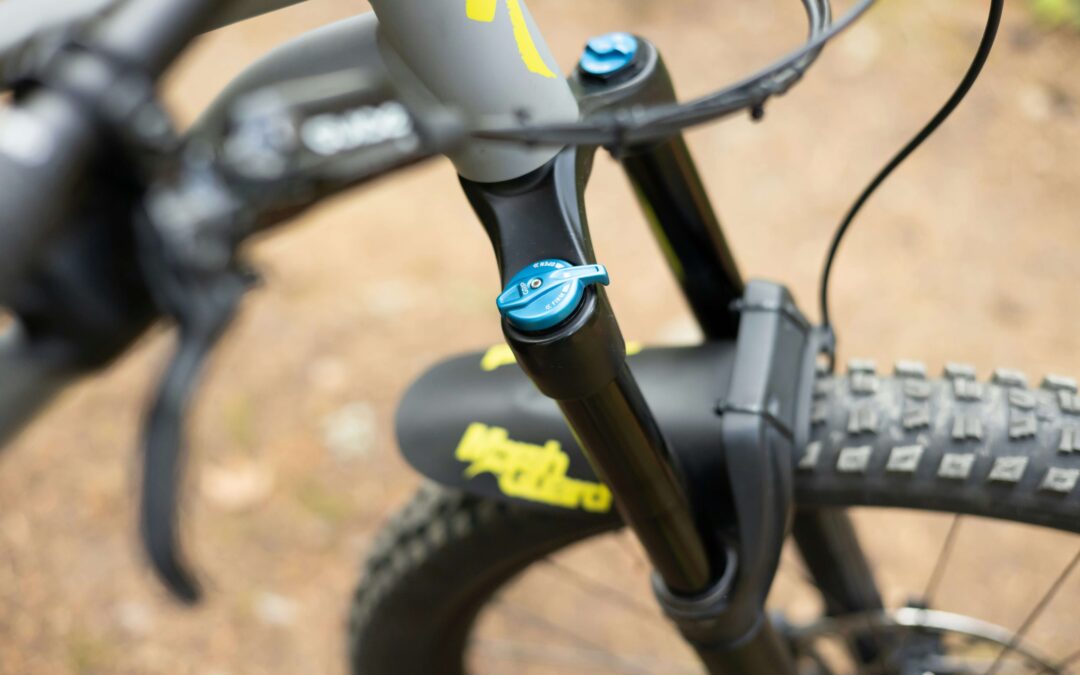
Bike suspension is a system of springs and dampers built into the frame or fork of a bicycle to absorb shocks from rough terrain. It improves traction, reduces rider fatigue, and allows you to maintain control while navigating rocks, roots, and bumps. 

There are typically two places where suspension appears: 

  • Front Suspension (the fork) 
  • Rear Suspension (built into the frame) 

Some bikes have just a front suspension (hardtails), while others feature both (full suspension or “dual suspension”). 

Why Suspension Matters

Suspension isn’t just about comfort — it’s a performance upgrade that affects every part of your ride: 

  • Control: Helps maintain traction by keeping your wheels in contact with the ground. 
  • Speed: It lets you ride faster over rough terrain without bouncing around. 
  • Confidence: Makes steep descents and technical trails more manageable. 
  • Endurance: Reduces fatigue by minimizing the impact on your body. 

For mountain bikers, especially those riding challenging trails like those on Maui, quality suspension is crucial. 

Hardtail vs. Full Suspension: What’s the Difference?

Choosing between a hardtail and a full-suspension bike depends on your riding goals and the type of terrain you typically encounter. 

Hardtail Bikes

  • Feature front Suspension only 
  • Lighter and generally more affordable 
  • Ideal for smoother trails, climbing, and beginner riders 

Full Suspension Bikes

  • Features both front and rear suspension 
  • Better suited for rough, technical, or downhill terrain 
  • Offer more comfort and control, but tend to be heavier and pricier 

For Maui’s diverse trail systems — from lush forest descents to lava-rock terrain — full-suspension bikes are often the preferred choice. 

Front Suspension Forks: Types and Features

Front suspension forks are found on nearly all mountain bikes and absorb the initial shock from the front wheel. Here’s what you should know: 

Types of Suspension Forks

  • Air Forks: Use compressed air for spring force; lighter and easier to adjust 
  • Coil Forks: Use metal coils; often more durable and better for downhill use 

Key Features 

  • Travel: Refers to how much the fork compresses — typically 100–180mm 
  • Lockout: Allows you to turn off suspension for climbing or road use 
  • Rebound & Compression Adjustments: Customize how the suspension reacts 

Rear Suspension Systems: How They Work

Rear suspension systems are more complex and integrate into the bike frame. They consist of a shock absorber connected to linkages or pivots that allow the rear triangle of the bike to move. 

Common Rear Suspension Designs

  • Single Pivot 
  • Horst Link (Four-Bar) 
  • VPP (Virtual Pivot Point) 
  • DW-Link 

Each has its unique advantages in terms of traction, pedaling efficiency, and comfort. Riders in Maui benefit from systems that strike a balance between efficient climbing and downhill control. 

Suspension Travel: How Much Do You Need?

“Travel” refers to how far your suspension can compress. More travel means more shock absorption, but also more weight and less efficiency on climbs. 

Travel Ranges by Riding Style

  • Cross-Country (XC): 80–120mm 
  • Trail: 120–150mm 
  • Enduro: 150–180mm 
  • Downhill: 180–200+ mm 

Air vs. Coil Suspension: Pros and Cons

Both air and coil shocks have advantages, and your choice depends on your riding style, terrain, and personal preference. 

Feature  Air Suspension  Coil Suspension 
Weight  Lighter  Heavier 
Adjustability  Easy to tune  Limited 
Small Bump Sensitivity  Less sensitive  More plush 
Maintenance  Lower  Higher 
Best For  XC, trail  Downhill, enduro 

If you’re renting or buying a bike on Maui, air suspension is often the go-to for versatility and easy tuning. 

Suspension Settings & Tuning Basics

Getting your suspension dialed in can make a huge difference in how your bike performs. Here are the key settings: 

  1. Sag

Sag is the amount your suspension compresses under your body weight. Typically: 

  • 20–25% for front 
  • 25–30% for rear 
  1. Rebound

Controls how quickly the suspension returns after compression. Too fast, and it feels bouncy; too slow, and it feels sluggish. 

  1. Compression

Controls how easily your suspension compresses under force — useful for smoothing big hits or pedaling efficiency. 

Need help? A professional bike shop, such as Maui Sunriders, can help set up your suspension perfectly. 

Maintenance Tips to Keep Your Suspension Smooth

Your suspension system works hard — keep it in top condition with regular maintenance. 

  • Clean fork stanchions and seals after every ride 
  • Check for oil or air leaks 
  • Lubricate pivot points and bushings 
  • Service intervals: 
  • Lower leg service every 30–50 hours of riding 
  • Full damper service every 100–200 hours 

A well-maintained suspension will ride smoother, last longer, and perform better on Maui’s epic trails. 

Bike Suspension Is A Crucial Part Of Biking

Bike suspension isn’t just a technical detail — it’s a vital part of your riding experience. Understanding how it works, choosing the right type, and maintaining it can help you ride longer, smoother, and with more confidence. 

And when you’re ready to hit the trails in paradise, Maui Sunriders has the bikes, knowledge, and local expertise to ensure your suspension and ride are dialed in for an unforgettable experience. 

The Maui Sunriders Advantage: Expert Bike Suspension & Fitting Services

At Maui Sunriders, we believe that every rider deserves a bike that feels tailor-made for the trail. That’s why we take both suspension tuning and bike fitting seriously. 

Whether you’re renting one of our high-end full-suspension mountain bikes or bringing your own ride for a tune-up, our team ensures your setup is optimized for Maui’s terrain. Our services include: 

  • Personalized suspension setup for your weight and riding style 
  • Pre-ride tuning and post-ride adjustments 
  • Routine maintenance and inspections 
  • Expert advice on air pressure, sag, rebound, and more 

Bike Fitting That Maximizes Comfort & Performance

Your suspension can only do its job properly if your bike fits you correctly. That’s why we offer professional bike fitting services designed to enhance control, reduce fatigue, and boost efficiency on the trail. 

Our experienced staff will: 

  • Adjust saddle height, handlebar reach, and cockpit position for ideal body alignment 
  • Make ergonomic tweaks tailored to your flexibility, strength, and riding goals 
  • Ensure your bike feels natural and responsive, whether you’re climbing or descending 

The result? A smoother, safer, and more enjoyable ride across Maui’s stunning mountain biking terrain. 

We ride the trails we rent for — and we know exactly how to help you get the most from your bike. 

Hawaii Ebike Cash Rebate Program

Hawaii Ebike Cash Rebate Program

Hawaii Cash Rebate Program for Ebikes

Get CASH for your new e-bike purchase in Hawaii.

Hawaii’s e-bike cash rebate program is the incentive you’ve been waiting for to purchase your new e-bike! The state government has recognized the benefits of more electric bikes and mopeds out on the roads: less car traffic, fewer carbon emissions, and a healthier population and environment. 

Ebikes have become all the rage these days and for good reason. You can travel further, faster, and with far less effort. It’s the single most innovative change to the pedal bicycle since its invention over two hundred years ago! Those who would never consider commuting to work or school by bike due to the effort may reconsider with an e-bike.

Hawaii’s e-bike cash rebate program – ACT 306, 2022 – aims to increase the use of electric bicycles used in the islands. The state of Hawaii is offering cash rebates of up to $500 to eligible Hawaiian residents for the purchase of new electric bikes and electric mopeds. This is the incentive you’ve been waiting for to switch over to an electric bike!

The bill stipulates that a special fund will pay out $500 or 20% off the cost (whichever is lower) toward a new electric bicycle or moped. To qualify for the rebate program, one must either:

Not have a registered 4-wheel vehicle

Meaning, you DO NOT have a car or truck currently registered in your name in the state of Hawaii.

Be enrolled in school 

High school, college, or university level.

Show that they are eligible for low-income benefits

Check with the state to see if you qualify.

Any adult meeting ANY of the criteria above is eligible to apply for a rebate. The rebate covers all e-bikes that have a top speed of 28mph or lower, and all electric mopeds. Also, e-bikes and mopeds must be purchased new. Any new e-bike or electric moped purchased after July 1, 2022 is eligible for the rebate.

Again, you do not have to meet ALL of the requirements…meet just ONE of the three requirements and you’re eligible!

How do I apply for my rebate?

The most important thing you’ll need is the receipt for your new e-bike or electric moped. The receipt must be signed and dated by the seller. You will then need to reach out to the Hawaii Department of Transportation to apply for your rebate.

Again, this rebate does not apply to any used bikes. It ONLY applies to bikes purchased through a dealer.

Shop E-bikes

We have three full retail bike shops on Maui!

Visit us in Paia, Kihei, or Lahaina to find your dream e-bike.

Or, give us a call: 808-579-8970

What bike will I ride on Maui?

Planning a cycling trip to Maui? The idyllic island is an excellent cycling destination for cyclists, with a number of world-class road routes and a couple of mountain bike trail networks. Check out some details on how to bring your bike with you, or consider renting a bike from us. 

Here at Maui Sunriders, we offer a fleet of rental bikes on Maui. Maui Sunriders is your destination for high-end road bikes, full suspensions, hardtails, e-bikes, 3-speeds, or single-speeds. Our top-notch staff of cycling enthusiasts will be excited to help you find the right bike for your adventure (at either of our locations...Paia, Kihei, or Lahaina!).

Haleakala Cycling | Photograph by Conor O'Brian
Conor O'Brian

Conor O'Brian

Maui Sunriders contributing writer, photographer, route builder, and road cycling guide.
Author: Conor O'BrianMaui Sunriders contributing writer, photographer, route builder, and road cycling guide.

Conor is an avid bike rider, racer, adventurer, photographer, and graphic artist who spends his winters working for MSBC
Follow his rides on Strava!

A Guide To Different Types of Bikes

When you first get into biking, it can be easy to get overwhelmed with just how many different types of bicycles exist. From an outside perspective, you may wonder how much bicycles can vary. You may wonder how different can a bicycle be from two wheels, a handlebar, and some pedals.

In fact, there are several types of bicycles. Some of these different bicycles are better for certain terrain, skill levels, types of tricks, and biking activities. When you examine these bicycles, they tend to vary greatly. Each of these types may have different handlebars and even thickness and size of wheels. Their seats even differ.

There are two very common types of bicycles including road Bikes and mountain Bikes. Learn more about all the types of road bikes and mountain bikes and how they’re most effectively used below:

Road Bikes

Road bikes are one of the ultimate touring bikes when you have a lot of ground to cover. These beautiful bikes are usually meant for biking across smooth blacktop and pavement at high speeds, hence the name. Many people even choose to race road bikes due to their supreme speed capabilities.

You can usually identify a road bike by its “drop” handlebars and skinny wheels. Like most bicycles, you bend forward. Road bikes often have those drop handlebars to relieve the pressure on your hands from being bent so far forward. The skinny wheels help them maintain their aerodynamic, lightweight frame.

Cyclocross Bikes

Because the wheels of road bikes are so thin, they’re not meant for unpaved roads. Cyclocross bikes are a sub-type of road bikes that solve this issue. These bikes have the standard road bike handlebars but wide wheels to provide traction on unpaved roads.

Touring Bikes

Another type of road bike is a touring bike. Most road bikes are built for speed, not carrying capacity. The touring bike maintains the shape of a road bike but has extra support to make carrying bags easier.

Mountain Bikes

Mountain bikes are known for their ability to traverse various terrains with ease. These bikes can go for longer distances more comfortably than a standard road bike but are often much heavier. They have low gears to make climbing hills easy.

Unlike road bikes, mountain bikes have long, flat handlebars. They’re also often equipped with suspension and/or shock absorbers for sustaining jumps and tricks. Mountain bikes are durable and able to withstand difficult terrain and conditions. There area few main types of mountain bikes, including:

Rigid

Rigid mountain bikes have no suspension. Many beginners like them for easier trails.

Hardtail

Hardtail mountain bikes are one of the most common types of mountain bikes available. These have a rigid frame and front-end suspension. Since they lack suspension on the tail-end of the bike, they’re called a “hardtail.”

Full Suspension

Full suspension mountain bikes have suspension on both the back and front ends of the bike. In addition, there are many types of full-suspension mountain bikes, including:

  • Downhill or Park Mountain Bikes: These have large tires and are great for downhill trips, but not so much for uphill adventures.
  • All Mountain/Enduro Mountain Bikes: These bikes are often utilized in moto-cross mountain biking competitions.
  • Trail Mountain Bikes: Trail bikes are lightweight, comfortable mountain bikes for trails.
  • Cross-Country Bikes: Cross-Country bikes are lightweight and easily shift between gears, making them perfect for long distances over varied terrain.
  • Fat Bikes: Fat bikes are exactly how they sound. They have large tires that glide through thick snow and sandy terrain.

Rent A Bike in Maui

Planning a trip to Maui? We’re here to help you explore! Maui Sunriders has a brand new fleet of rental bikes on Maui! Whether you’re looking to bike Maui’s trails, cruise around town, explore our New North Shore bike path, or coast down on the classic Haleakala downhill, we have a bike for you! Our rental bike fleet includes full-suspension 6″ travel & hardtail Scott Mountain Bikes, Scott carbon & aluminum Road Bikes, 9-speed Scott Urban Cruiser E-Bike, 3-speed Electra Beach Townies, single-speed Electra Beach Cruisers. Visit our bike shop, conveniently located in Downtown Paia. We also offer bike delivery!