by Maui Sunriders | Jun 25, 2025 | Blog
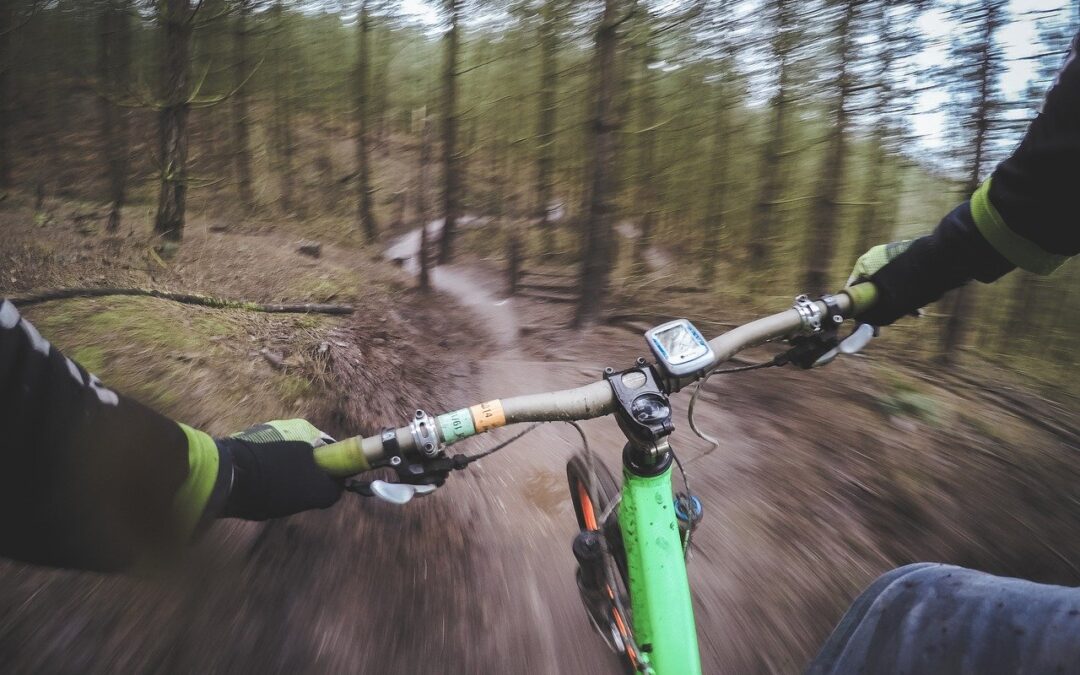
Whether you’re tackling technical terrain on a downhill ride or cruising through scenic trails in Maui, your bike’s suspension plays a massive role in comfort, control, and performance. But what exactly is bike suspension, and why does it matter so much?
In this guide, we’ll cover everything you need to know — from the basics of how suspension works to how to choose the correct setup for your riding style.
What Is Bike Suspension?
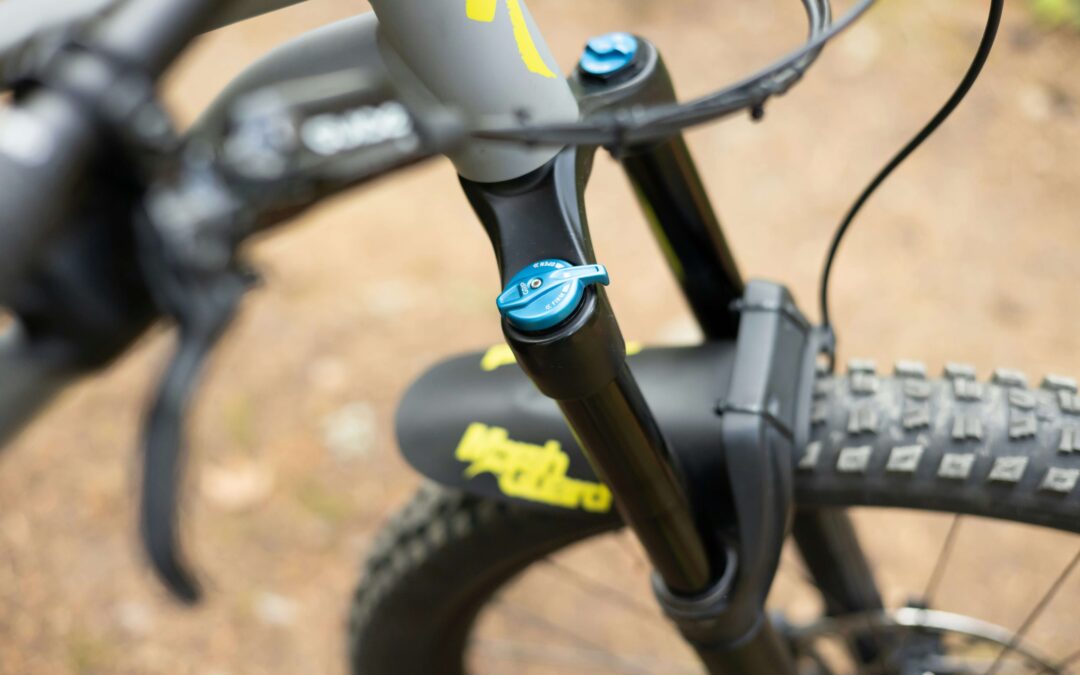
Bike suspension is a system of springs and dampers built into the frame or fork of a bicycle to absorb shocks from rough terrain. It improves traction, reduces rider fatigue, and allows you to maintain control while navigating rocks, roots, and bumps.
There are typically two places where suspension appears:
- Front Suspension (the fork)
- Rear Suspension (built into the frame)
Some bikes have just a front suspension (hardtails), while others feature both (full suspension or “dual suspension”).
Why Suspension Matters
Suspension isn’t just about comfort — it’s a performance upgrade that affects every part of your ride:
- Control: Helps maintain traction by keeping your wheels in contact with the ground.
- Speed: It lets you ride faster over rough terrain without bouncing around.
- Confidence: Makes steep descents and technical trails more manageable.
- Endurance: Reduces fatigue by minimizing the impact on your body.
For mountain bikers, especially those riding challenging trails like those on Maui, quality suspension is crucial.
Hardtail vs. Full Suspension: What’s the Difference?
Choosing between a hardtail and a full-suspension bike depends on your riding goals and the type of terrain you typically encounter.
Hardtail Bikes
- Feature front Suspension only
- Lighter and generally more affordable
- Ideal for smoother trails, climbing, and beginner riders
Full Suspension Bikes
- Features both front and rear suspension
- Better suited for rough, technical, or downhill terrain
- Offer more comfort and control, but tend to be heavier and pricier
For Maui’s diverse trail systems — from lush forest descents to lava-rock terrain — full-suspension bikes are often the preferred choice.
Front Suspension Forks: Types and Features
Front suspension forks are found on nearly all mountain bikes and absorb the initial shock from the front wheel. Here’s what you should know:
Types of Suspension Forks
- Air Forks: Use compressed air for spring force; lighter and easier to adjust
- Coil Forks: Use metal coils; often more durable and better for downhill use
Key Features
- Travel: Refers to how much the fork compresses — typically 100–180mm
- Lockout: Allows you to turn off suspension for climbing or road use
- Rebound & Compression Adjustments: Customize how the suspension reacts
Rear Suspension Systems: How They Work
Rear suspension systems are more complex and integrate into the bike frame. They consist of a shock absorber connected to linkages or pivots that allow the rear triangle of the bike to move.
Common Rear Suspension Designs
- VPP (Virtual Pivot Point)
Each has its unique advantages in terms of traction, pedaling efficiency, and comfort. Riders in Maui benefit from systems that strike a balance between efficient climbing and downhill control.
Suspension Travel: How Much Do You Need?
“Travel” refers to how far your suspension can compress. More travel means more shock absorption, but also more weight and less efficiency on climbs.
Travel Ranges by Riding Style
- Cross-Country (XC): 80–120mm
Air vs. Coil Suspension: Pros and Cons
Both air and coil shocks have advantages, and your choice depends on your riding style, terrain, and personal preference.
| Feature |
Air Suspension |
Coil Suspension |
| Weight |
Lighter |
Heavier |
| Adjustability |
Easy to tune |
Limited |
| Small Bump Sensitivity |
Less sensitive |
More plush |
| Maintenance |
Lower |
Higher |
| Best For |
XC, trail |
Downhill, enduro |
If you’re renting or buying a bike on Maui, air suspension is often the go-to for versatility and easy tuning.
Suspension Settings & Tuning Basics
Getting your suspension dialed in can make a huge difference in how your bike performs. Here are the key settings:
-
Sag
Sag is the amount your suspension compresses under your body weight. Typically:
-
Rebound
Controls how quickly the suspension returns after compression. Too fast, and it feels bouncy; too slow, and it feels sluggish.
-
Compression
Controls how easily your suspension compresses under force — useful for smoothing big hits or pedaling efficiency.
Need help? A professional bike shop, such as Maui Sunriders, can help set up your suspension perfectly.
Maintenance Tips to Keep Your Suspension Smooth
Your suspension system works hard — keep it in top condition with regular maintenance.
- Clean fork stanchions and seals after every ride
- Check for oil or air leaks
- Lubricate pivot points and bushings
- Lower leg service every 30–50 hours of riding
- Full damper service every 100–200 hours
A well-maintained suspension will ride smoother, last longer, and perform better on Maui’s epic trails.
Bike Suspension Is A Crucial Part Of Biking
Bike suspension isn’t just a technical detail — it’s a vital part of your riding experience. Understanding how it works, choosing the right type, and maintaining it can help you ride longer, smoother, and with more confidence.
And when you’re ready to hit the trails in paradise, Maui Sunriders has the bikes, knowledge, and local expertise to ensure your suspension and ride are dialed in for an unforgettable experience.
The Maui Sunriders Advantage: Expert Bike Suspension & Fitting Services
At Maui Sunriders, we believe that every rider deserves a bike that feels tailor-made for the trail. That’s why we take both suspension tuning and bike fitting seriously.
Whether you’re renting one of our high-end full-suspension mountain bikes or bringing your own ride for a tune-up, our team ensures your setup is optimized for Maui’s terrain. Our services include:
- Personalized suspension setup for your weight and riding style
- Pre-ride tuning and post-ride adjustments
- Routine maintenance and inspections
- Expert advice on air pressure, sag, rebound, and more
Bike Fitting That Maximizes Comfort & Performance
Your suspension can only do its job properly if your bike fits you correctly. That’s why we offer professional bike fitting services designed to enhance control, reduce fatigue, and boost efficiency on the trail.
Our experienced staff will:
- Adjust saddle height, handlebar reach, and cockpit position for ideal body alignment
- Make ergonomic tweaks tailored to your flexibility, strength, and riding goals
- Ensure your bike feels natural and responsive, whether you’re climbing or descending
The result? A smoother, safer, and more enjoyable ride across Maui’s stunning mountain biking terrain.
We ride the trails we rent for — and we know exactly how to help you get the most from your bike.
by Maui Sunriders | Jun 10, 2025 | Blog
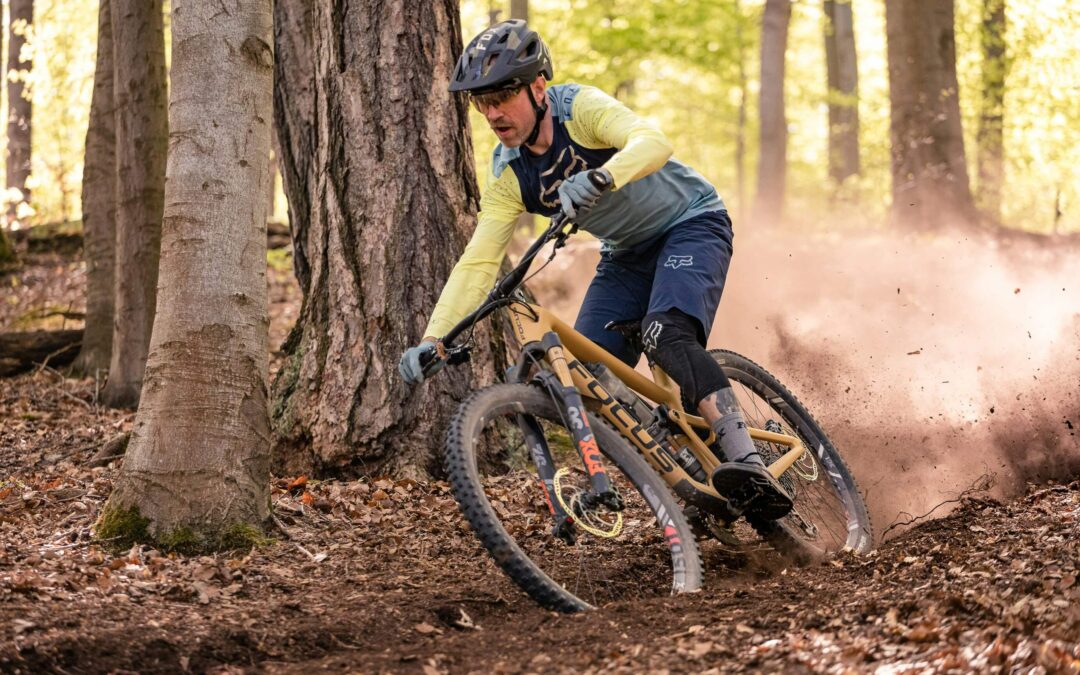
Everyone knows Maui for its beautiful coastlines, beaches, and golf courses, but for those who love the outdoors (like we do!), the real magic is in the island’s rugged terrain, rainforest ridges, and volcanic slopes, where mountain biking truly shines. If you’re a seasoned rider seeking downhill thrills or a casual adventurer looking for scenic coastal cruises, Maui delivers with a diverse mix of trails.
In this guide, we’ll explore the best mountain biking spots on Maui, provide trail information for different skill levels, outline what to expect from the terrain, and offer tips to make your biking experience unforgettable.
Why Go Mountain Biking on Maui?
Mountain biking on Maui gives you a front-row seat to some of the island’s most spectacular landscapes. You’ll ride through eucalyptus forests, across lava fields, along ridgelines with sweeping ocean views, and even down the slopes of the world’s largest dormant volcano, Haleakalā.
The top reasons we recommend mountain biking on Maui:
- Diverse terrain: From rainforests to deserts to alpine trails
- Mild year-round weather: Great for riding any season
- Low-traffic backroads: Many routes take you through peaceful, rural areas
Best Maui Mountain Biking Trails & Areas
Kula Forest Reserve – Poli Poli: Quiet, High-Elevation Adventure
Location: Upcountry Maui (Poli Poli State Park)
Skill Level: Intermediate to Advanced
Want an Upcountry ride with less crowd and more elevation? Head to the Kula Forest Reserve and Poli Poli trail network, perched between 6,500 and 7,100 feet. While this zone doesn’t include the full Skyline Trail descent, it gives you a big-mountain feel with significantly less driving — and more actual riding.
You’ll mostly be climbing wide fire roads that access a number of fun and challenging singletrack descents, including the Mamane Trail, a 1.5-mile ride that reconnects with the road near your vehicle. For advanced riders, Redwood and Boundary Trails offer technical challenges, hike-a-bike sections, and rugged terrain that rewards persistence and skill.
Elevation gain on these rides varies based on your route, but expect 800–1,000+ feet of climbing. On clear days, you’ll be treated to sweeping views of the Big Island and the Pacific Ocean far below.
Why We Love It:
- Quiet trails with minimal traffic
- Stunning high-country views
- Diverse mix of gravel climbs and narrow singletrack descents
Skyline Trail – A Massive, Bucket-List Descent
Location: Haleakalā National Park to Kula
Skill Level: Strong Intermediate to Advanced
Skyline is Maui’s most iconic (and extreme) mountain bike ride. Starting at over 10,000 feet inside Haleakalā National Park, this trail drops more than 3,500 feet over the course of roughly 10 miles — with terrain that varies from alpine lava rock to dusty gravel to forested singletrack.
The first half of the ride is a test of your technical ability: six miles of loose volcanic rock fire road that demands sharp focus, wide tires, and confident handling. It’s like riding on marbles, and falls here can be painful due to the jagged lava. After navigating this lunar landscape, you’ll drop into the Mamane Trail, followed by a gravel road that takes you down to the Lavender Farm finish.
Critical Logistics:
- You’ll need two vehicles or a driver to shuttle you.
- National Park passes (1–2) are required for vehicles entering Haleakalā.
- Cell service is spotty to nonexistent for most of the ride.
- This is not a tour route — no companies are permitted to shuttle riders to the top.
We Don’t Recommend This Ride Unless:
- You have a high level of fitness and experience
- You’re equipped for remote, self-supported riding
- You have a safe, reliable shuttle plan
Why We Love It (with a huge disclaimer):
- Epic terrain and unmatched views
- An unforgettable experience — if you’re up for it
Napili Bike Park – Maui’s Trail Future Takes Shape
Location: Napili (West Maui) – under development
Skill Level: Beginner to Expert (coming soon!)
Located adjacent to Maui Preparatory Academy, this trail park is being developed through passionate collaboration with The Maui Mountain Bike Coalition and mountain bike legend Cam Zink—fresh off his 2023 Red Bull Rampage win—to bring his trail-building expertise to Maui. His company, Sensus RAD Trails, is supported by professional trail builder Cody Wilkins and Carson Storch.
Community Backing:
- Over $50,000 raised through donations and support
- Land leased through Maui Land Pine
- Designed to serve both local families and visiting riders
- Operated by volunteers who help maintain the trail
While the park is still under construction, its progress is a massive win for Maui’s cycling community — and a sign that trail riding here is only going to get better.
Why We’re Excited:
- First purpose-built mountain bike park on Maui
- Community-focused and professionally designed
- A game-changer for local and visiting riders
Makawao Forest Reserve — Featuring the Kahakapao Trails
Location: Upcountry Maui
Skill Level: Beginner to Expert
Makawao Forest Reserve is Maui’s most accessible and diverse trail network, and the centerpiece of this system is the Kahakapao Trails — a loop-based network designed with mountain bikers in mind. Nestled under a canopy of eucalyptus and pine, these trails offer cool temperatures, dappled light, and flowy singletrack that’s approachable yet exciting.
The Kahakapao loop includes both multi-use and bike-specific trails, allowing riders to customize their ride based on ability and time. You can warm up on the easier green-rated trails, then progress to intermediate options that include switchbacks, mild climbs, and rolling descents.
Trail Overview:
- Kahakapao Loop: Multi-use loop that branches into additional singletrack spurs
- Elevation Gain: 800–900 feet, depending on route
- Trail Type: Singletrack with smooth surfaces, minor roots/rocks, and well-marked signage
Why We Love It:
- Suitable for riders of all levels
- Great for skill-building or fun, fast laps
- Easily accessible from Paia and Upcountry Maui
If you’re short on time or new to Maui’s trail scene, Kahakapao is the perfect place to start — and chances are, you’ll want to come back for more.
When’s the Best Time to Ride?
Maui is rideable year-round, but we advise going during these times:
- Early morning rides offer cooler temps and better visibility, especially on the mountain.
- Dry season (April to October) typically has more stable trail conditions.
- Avoid trail riding during or after heavy rains—Maui’s red dirt can get very slippery.
Safety Tips for Mountain Biking on Maui
Mountain biking on an island like Maui is exhilarating, but it’s essential to stay safe:
- Hydrate – Bring more water than you think you’ll need.
- Use sunscreen – Even forested trails can expose you to the sun.
- Wear layers – Especially important on downhill rides from high altitudes.
- Know your route – Cell service can be spotty, especially on Haleakalā and the West Maui area.
- Ride responsibly – Share trails, yield to hikers, and pack out what you bring in.
Guided vs. Self-Guided Tours
Maui Sunriders specializes in self-guided bike tours, which give you the freedom to ride at your own pace, stop when you want, and create a more personal experience. For those who prefer a bit more structure, we also offer guided options—but self-guided is what our riders love most
Benefits of Self-Guided Tours:
- No pressure to keep up with a group
- Discover local gems along the way
- Great for couples and families
Not sure if you’re up for it? Their friendly team will help you get fitted with the right gear, provide safety briefings, and shuttle you to the starting point, making your ride easy, enjoyable, and unforgettable.
Mountain Biking Etiquette in Hawaii
Please remember to respect the land and local culture. Maui’s trails pass through sensitive environments and native lands, so follow these principles:
- Stay on designated trails – Protect the native flora and prevent erosion
- Leave no trace – Take trash with you
- Respect private property – Some trails border ranches and residential areas
- Be courteous to hikers and other riders
FAQ: Mountain Biking Maui
Is mountain biking in Maui challenging?
It depends on the trail. Some rides, like the Haleakalā downhill, are mostly coasting and suitable for most fitness levels. Others, like Polipoli or the West Maui Loop, are more technical and require experience.
Can I bring my bike?
Yes, you can fly with your bike, but be prepared for airline fees. Many riders prefer to rent on the island to avoid the hassle.
Are e-bikes allowed on trails?
E-bikes are allowed on paved roads and some multi-use trails, but many forest trails restrict their use. Always check local rules.
What should I wear?
Wear moisture-wicking clothing, closed-toe shoes with good grip, and bring a windbreaker or light jacket for cooler elevations.
NEW: Exclusive Trails Above Our Kapalua Shop
We’re beyond excited to share some big news — we’ve just signed a lease that gives Maui Sunriders exclusive guiding access to an amazing new trail system located above our brand-new Kapalua shop in West Maui. This means we’re the first and only company on the island offering guided mountain biking adventures in this area.
Get ready to ride! With a mix of flowy lines, technical sections, and ocean-view lookouts, they offer something for every rider. Whether you’re new to mountain biking or looking for your next adventure, the Kapalua trails are going to deliver a fresh experience on Maui’s west side.
We’re still fine-tuning the entire route and exploring all the opportunities here, but we can already tell it’s going to be a game-changer. Private access means fewer crowds, more freedom, and the kind of unique riding experience you won’t find anywhere else on the island.
Stay tuned — we’ll be sharing updates soon on official tour launches, booking info, and what to expect when you hit the trail with us in Kapalua!
Ready to Ride? Contact us at Maui Sunriders!
Whether you’re carving turns through Makawao’s pine forests or flying downhill from Haleakalā with the wind in your face, Maui offers mountain biking experiences unlike anywhere else in the world.
Book your self-guided ride with Maui Sunriders today and experience the island from a whole new perspective – on two wheels.