How Cold Is It on Top Of Haleakala

How Cold Is It on Top Of Haleakala

Haleakala Sunrise

Are you planning a trek to Haleakala? It would be wise to be prepared as the conditions near the summit can get pretty nippy! If you are heading to the area and plan on reaching the summit, read on for some essential information. 

Some Facts About Haleakala National Park 

Before we go into the specifics of what you need to prepare for Haleakala, here’s a quick backgrounder. 

Haleakala is a dormant volcano located in Haleakala National Park on the island of Maui. The park itself is a hugely popular tourist attraction, drawing thousands of visitors from all over the world every year. It covers an expansive 33,265 acres of land, more than 24,719 acres of which are wilderness. 

It was in 1976 that Haleakala National Park was designated a national park. In 2005, the park’s boundaries were expanded to its current land area. It currently consists of two sections: the summit and Kipahulu, which is the coastal area.

The name “Haleakala” means “house of the sun” in Hawaiian. The story goes that the demigod Maui sought to lengthen the day by imprisoning the sun on the peak. 

Whether you believe the legend or not, the fact remains that Haleakala offers an excellent vantage point from which you could view the sunrise or sunset. As expected, much of the activity in the area takes place during these specific times of the day. 

The local spelling of the name is actually “Haleakalā”, although it is commonly spelled “Haleakala”. In 2000, the area’s inhabitants sought to make “Haleakalā” the official spelling by proposing the Hawaiian National Park Language Correction Act. The proposal did not pass into law, however, so both spellings are acceptable usage. 

The volcano has remained dormant for more than 500 years. Its last eruption was thought to have taken place sometime between the 15th and 17th centuries. 

How cold is it at the top of Haleakala? 

So how cold is it at the summit of Haleakala? Despite being located in a temperate, tropical region, it can get pretty chilly up near the volcano’s summit. In the summer, you can expect temperatures to reach the high fifties. The winter months are considerably colder, as you would expect, with temperatures often dipping below the freezing point. 

But even during the summer months when the temperatures down at sea level are generally mild, the wind-chill factor toward the volcano’s summit can result in somewhat frigid conditions. 

This should give you an idea of how cold it can get near the peak of Haleakala: 

Let’s say the temperature at the foot of the mountain is a comfortable 60° F. For every 1,000 feet you ascend, you can expect the temperature to decrease by about 3° F. Since Haleakala is about 10,000 feet at its highest point, you can expect the top to be about 40°-50° F in the summer, and about 20°-30° F in the winter when it’s snowing.

Even our Self-Guided Haleakala Downhill Bike Tour can feel a little cold. At 6500 feet in elevation, the temperature is about 50°-70° F. 

Suitable attire for Haleakala TEMPERATURES

Considering how cold it can get at Haleakala, you will need to think about what clothes you will wear on your Haleakala tour and what you will bring. 

If the weather is mild and you plan to spend most of your time near the foot of the volcano, you probably won’t need to dress warmly. Throughout most of the year, the temperatures are comfortable enough that you probably won’t need to wear a coat or gloves. At most, you might need a light jacket to wear over your shorts and t-shirt. 

Keep in mind that the temperature might change any time, particularly during the colder months of the year. It’s a good idea to bring a beach towel with you just in case the wind chill gets too much. In any case, the towel will come in handy if you are headed to the beach afterward. 

Of course, you will have to dress for the cold if you plan on catching the sunrise. Jeans or sweatpants should be sufficient, although you will want to wear thick socks and closed shoes as well. It is also a good idea to bring a heavy jacket or coat, and possibly a hat and some gloves if you are particularly sensitive to the cold. 

Trekking up Haleakala is one of the most enjoyable things you could do on Maui. Make sure to plan ahead and find out what the conditions are like before heading out. Wear the appropriate clothing and be prepared for sudden temperature changes, and you should be just fine. We also recommend checking out Haleakala during the day after trying out our Self-Guided Haleakala Downhill Bike Tour.


A Guide To Different Types of Bikes

A Guide To Different Types of Bikes

When you first get into biking, it can be easy to get overwhelmed with just how many different types of bicycles exist. From an outside perspective, you may wonder how much bicycles can vary. You may wonder how different can a bicycle be from two wheels, a handlebar, and some pedals.

In fact, there are several types of bicycles. Some of these different bicycles are better for certain terrain, skill levels, types of tricks, and biking activities. When you examine these bicycles, they tend to vary greatly. Each of these types may have different handlebars and even thickness and size of wheels. Their seats even differ.

There are two very common types of bicycles including road Bikes and mountain Bikes. Learn more about all the types of road bikes and mountain bikes and how they’re most effectively used below:

Road Bikes

Road bikes are one of the ultimate touring bikes when you have a lot of ground to cover. These beautiful bikes are usually meant for biking across smooth blacktop and pavement at high speeds, hence the name. Many people even choose to race road bikes due to their supreme speed capabilities.

You can usually identify a road bike by its “drop” handlebars and skinny wheels. Like most bicycles, you bend forward. Road bikes often have those drop handlebars to relieve the pressure on your hands from being bent so far forward. The skinny wheels help them maintain their aerodynamic, lightweight frame.

Cyclocross Bikes

Because the wheels of road bikes are so thin, they’re not meant for unpaved roads. Cyclocross bikes are a sub-type of road bikes that solve this issue. These bikes have the standard road bike handlebars but wide wheels to provide traction on unpaved roads.

Touring Bikes

Another type of road bike is a touring bike. Most road bikes are built for speed, not carrying capacity. The touring bike maintains the shape of a road bike but has extra support to make carrying bags easier.

Mountain Bikes

Mountain bikes are known for their ability to traverse various terrains with ease. These bikes can go for longer distances more comfortably than a standard road bike but are often much heavier. They have low gears to make climbing hills easy.

Unlike road bikes, mountain bikes have long, flat handlebars. They’re also often equipped with suspension and/or shock absorbers for sustaining jumps and tricks. Mountain bikes are durable and able to withstand difficult terrain and conditions. There area few main types of mountain bikes, including:

Rigid

Rigid mountain bikes have no suspension. Many beginners like them for easier trails.

Hardtail

Hardtail mountain bikes are one of the most common types of mountain bikes available. These have a rigid frame and front-end suspension. Since they lack suspension on the tail-end of the bike, they’re called a “hardtail.”

Full Suspension

Full suspension mountain bikes have suspension on both the back and front ends of the bike. In addition, there are many types of full-suspension mountain bikes, including:

  • Downhill or Park Mountain Bikes: These have large tires and are great for downhill trips, but not so much for uphill adventures.
  • All Mountain/Enduro Mountain Bikes: These bikes are often utilized in moto-cross mountain biking competitions.
  • Trail Mountain Bikes: Trail bikes are lightweight, comfortable mountain bikes for trails.
  • Cross-Country Bikes: Cross-Country bikes are lightweight and easily shift between gears, making them perfect for long distances over varied terrain.
  • Fat Bikes: Fat bikes are exactly how they sound. They have large tires that glide through thick snow and sandy terrain.

Rent A Bike in Maui

Planning a trip to Maui? We’re here to help you explore! Maui Sunriders has a brand new fleet of rental bikes on Maui! Whether you’re looking to bike Maui’s trails, cruise around town, explore our New North Shore bike path, or coast down on the classic Haleakala downhill, we have a bike for you! Our rental bike fleet includes full-suspension 6″ travel & hardtail Scott Mountain Bikes, Scott carbon & aluminum Road Bikes, 9-speed Scott Urban Cruiser E-Bike, 3-speed Electra Beach Townies, single-speed Electra Beach Cruisers. Visit our bike shop, conveniently located in Downtown Paia. We also offer bike delivery!

How to Train For Mountain Biking

Mountain Bike Training

Mountain biking, in our opinion, is one of the most incredible sports that exists. But mountain biking is so much more than a hobby or sport. Whether riding through the wilderness or on a track, mountain biking is a journey.

Like every story of exploration, a journey takes preparation. Whether you’re a beginner or a seasoned mountain biker, you must prepare your body and mind for the exciting adventures that await you on the trail.

Training requires practice, building endurance and strength. Learn more about training for mountain biking below!

Mountain Bike Practice

The best way to get good at something is to do it over and over. When it comes to improving your mountain biking skills, there will never be a perfect substitute for putting in the hours and work on a mountain bike. Even if it’s getting on your mountain bike and biking around a park, you’ll build muscle memory in your legs and core to prepare you for the trail.

Try to practice in many different types of environments besides trails. Practicing in forests, muddy spots, sandy dunes, grassy fields, and diverse places will be key to building mountain biking skills. You’ll know how to pedal through sporadic patches of dirt and thick grass, around trees, over rocks. This will also help you build muscle strength and memory when you encounter areas like these on the trail and keep you from getting injured.

Build Your Endurance For Mountain Biking

Building endurance is key for mountain biking training. Some trails require you to bike long distances, sometimes uphill or over difficult terrain. By strengthening your endurance, you’ll be less likely to over-exert yourself or need to stop on the trail. You can build mountain biking endurance by biking in the off-season and incrementally increasing your session’s du

Bike in the off-season

It is important to keep biking in the off-season so you can continue building and toning the muscles necessary to mountain bike.

Another crucial reason for biking in the off-season is to maintain your endurance. Some excursions can last several hours, with as many uphill climbs as downhill slopes. Without training and building your endurance all year, those mountain biking adventures may be out of reach until the very end of the mountain biking season.

Therefore, it’s critical to look for ways to bike in the off-season. A great way to do this is to join a local gym, and practice biking on those.

If biking year-round isn’t an option, then try to practice biking approximately 1-2 months before you intend to go on mountain biking adventures. This will give your muscles some time to get back into shape and get used to the movements again.

Always remember, if the exercise you’re doing doesn’t feel right or hurts, you should stop immediately.

Increase Incrementally

When building endurance for the trail, it’s not enough to ride regularly. You must also increase the amount of time you ride. This will help you be able to pedal for longer periods.

If you’re practicing at a local gym on their resistance bikes, you can even increase the resistance of your bike in addition to the length of your workout.

Build Strength for Biking

Mountain biking works and tones your muscles, especially in your legs, shoulders, and arms. You’ll also build muscular strength in your core. To prepare for mountain biking, try to build muscles in your legs, shoulders, arms, and core. This will help you during the harder parts of your mountain biking routes.

Visit Some Trails

As you begin to train for mountain biking, take a road trip to some local mountain biking trails and scout them out. Check out what types of mountain bikes people are using on the trail. You can also observe how people are maneuvering the trails, especially if you’re a mountain biking newbie.

Maui Sunriders

Test out your mountain biking strength and endurance with the best Haleakala bike tour company! We offer tours of the best Haleakala bike route and share with you the best biking equipment! You can immerse yourself in the beauty and serenity of Upcountry Maui without the cumbersome restrictions of a large group as our riders ride at their pace stopping where they’d like to stop. It’s your day biking, your way.

MSBC Covid-19 Safety and Prevention Measures

MAUI SUNRIDERS NEW OPERATING PROCEDURES

Now, more than ever, we want to help and encourage you to enjoy our downhill bike ride with total peace of mind, as well as with all our road bike, mountain bike, and cruiser rentals. We want to reassure our guests that we are following guidelines recommended by Hawaii State & the Center for Disease Control for protective measures against COVID-19. The health and safety of our passengers and staff are our top priority.

MSBC Covid-19 Safety and Prevention Measures:

Masks

It is mandatory for all guests to wear a mask inside our bike shop, inside our vans & during your bike fitting.

Social Distancing

Inside the bike shop guests will need to keep 6ft. distance from one another and we will be limiting the amount of guests in the shop at a time. Drivers will assist customers when assistance is needed with their bikes & helmets.

Hand Hygiene

There is hand sanitizer available for passengers in the bike shop and inside the vans. At our shop we also have a sink for guests to wash their hands. Our team will be sanitizing their hands frequently.

Gear Disinfection

All of the gear at MSBC will be thoroughly disinfected with EPA certified cleaners after every use. Clothes & gloves will be cleaned after each use. All gear is distributed first in – first out . All bikes will be thoroughly disinfected. 

Vehicle Disinfection

Drivers will disinfect the vehicle in between every service by wiping down door handles, seatbelts, armrests, window buttons and other areas with EPA certified cleaners.

Air Conditioning

The AC will be set to bring clear air into the vehicle, not on the re-cycle mode.

Is This Tour Safe With Covid-19?

In general, this tour is low risk and safe from Covid-19 as it is an outdoor activity and it is self-guided. Once we get you up to 6500 feet to start your bike ride, you will be on your own enjoying the day at your pace without other guests around.

Part of your activity will be coming into our bike shop, using our rental equipment as well as being in our tour van for 45 minutes to drive up the volcano.

Here is our list of new protocols we have put in place for everyones safety:

  • Requiring guests and employees to wear masks when in our shop, in our vans & during your bike fitting.
  • Requiring guests and employees to practice social distancing whenever possible.
  • Offering hand sanitzer in our shop and in our vans.
  • Extra deep cleaning of our vehicles and all touch points, surfaces in our shop.
  • Offering electronic payment solutions for contact less gratuities.
Cancellations & Refunds

Our cancellation policy: For a full refund you must notify us with a full 48 hours notice before your ride date.

Do I Have to Book in Advance?
Yes! Due to limited seating capacity on our tours and state Covid restrictions for operators. All tours need to be pre-booked in advanced. We are selling out far in advance. Walk-ups will not be available.
How do I Leave a Tip?
Cash or Venmo gratuities are welcome. If possible, please utilize Venmo to leave your guide a tip to reduce hand-to-hand transfers.
What if I Can't Wear a Mask For Medical Reasons?
Unfortunately, We will not be able to provide a tour to you at this time to ensure the safety of all guests. Mahalo for your understanding.
How Can I Help Keep Hawaii Safe?

The best way you can help keep our islands safe is to avoid contact with others if you are not feeling well. If you have been in contact with someone who wasn’t feeling well, self-isolate. If any of the above applies to you, please call us right away to cancel your tour.

Also, we please ask you to follow our Covid-19 safety protocols.

Haleakala Bike Tour Covid-19 Update

Haleakala Bike Tour Covid-19 Update

MAUI SUNRIDERS NEW OPERATING PROCEDURES

Now, more than ever, we want to help and encourage you to enjoy our downhill bike ride with total peace of mind, as well as with all our road bike, mountain bike, and cruiser rentals. We want to reassure our guests that we are following guidelines recommended by Hawaii State & the Center for Disease Control for protective measures against COVID-19. The health and safety of our passengers and staff are our top priority.

MSBC Covid-19 Safety and Prevention Measures:

Masks

It is mandatory for all guests to wear a mask inside our bike shop, inside our vans & during your bike fitting.

Social Distancing

Inside the bike shop guests will need to keep 6ft. distance from one another and we will be limiting the amount of guests in the shop at a time. Drivers will assist customers when assistance is needed with their bikes & helmets.

Hand Hygiene

There is hand sanitizer available for passengers in the bike shop and inside the vans. At our shop we also have a sink for guests to wash their hands. Our team will be sanitizing their hands frequently.

Gear Disinfection

All of the gear at MSBC will be thoroughly disinfected with EPA certified cleaners after every use. Clothes & gloves will be cleaned after each use. All gear is distributed first in – first out . All bikes will be thoroughly disinfected. 

Vehicle Disinfection

Drivers will disinfect the vehicle in between every service by wiping down door handles, seatbelts, armrests, window buttons and other areas with EPA certified cleaners.

Air Conditioning

The AC will be set to bring clear air into the vehicle, not on the re-cycle mode.

Is This Tour Safe With Covid-19?

In general, this tour is low risk and safe from Covid-19 as it is an outdoor activity and it is self-guided. Once we get you up to 6500 feet to start your bike ride, you will be on your own enjoying the day at your pace without other guests around.

Part of your activity will be coming into our bike shop, using our rental equipment as well as being in our tour van for 45 minutes to drive up the volcano.

Here is our list of new protocols we have put in place for everyones safety:

  • Requiring guests and employees to wear masks when in our shop, in our vans & during your bike fitting.
  • Requiring guests and employees to practice social distancing whenever possible.
  • Offering hand sanitzer in our shop and in our vans.
  • Extra deep cleaning of our vehicles and all touch points, surfaces in our shop.
  • Offering electronic payment solutions for contact less gratuities.
Cancellations & Refunds

Our cancellation policy: For a full refund you must notify us with a full 48 hours notice before your ride date.

Do I Have to Book in Advance?
Yes! Due to limited seating capacity on our tours and state Covid restrictions for operators. All tours need to be pre-booked in advanced. We are selling out far in advance. Walk-ups will not be available.
How do I Leave a Tip?
Cash or Venmo gratuities are welcome. If possible, please utilize Venmo to leave your guide a tip to reduce hand-to-hand transfers.
What if I Can't Wear a Mask For Medical Reasons?
Unfortunately, We will not be able to provide a tour to you at this time to ensure the safety of all guests. Mahalo for your understanding.
How Can I Help Keep Hawaii Safe?

The best way you can help keep our islands safe is to avoid contact with others if you are not feeling well. If you have been in contact with someone who wasn’t feeling well, self-isolate. If any of the above applies to you, please call us right away to cancel your tour.

Also, we please ask you to follow our Covid-19 safety protocols.

Should See the Haleakala Sunrise or Sunset?

Should See the Haleakala Sunrise or Sunset?

Haleakala SunriseSeeing the summit of Haleakalā, Maui’s largest volcano, is one of the most popular things to do in Maui. The cinder landscape of this dormant volcano with its unique wildlife is an incredible sight to see. But when should you go? Many travel early in the morning to see the Haleakalā sunrise. Others wait to travel in Upcountry to the Summit area later in the day to see the sunset.
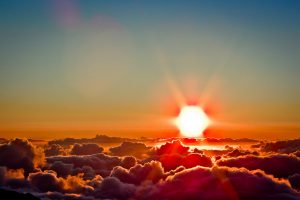
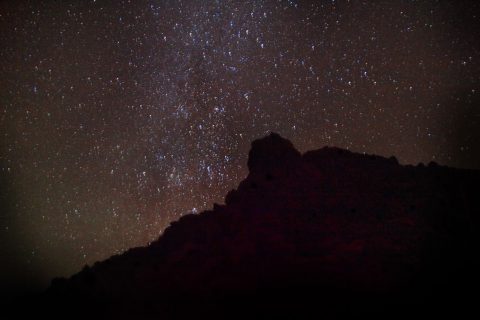
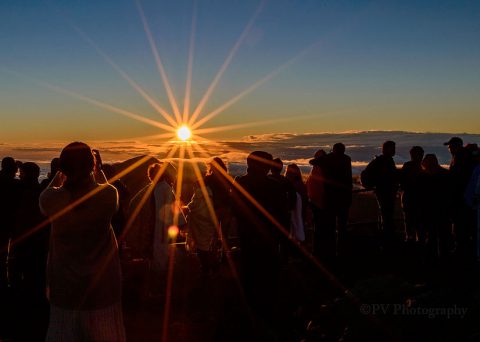
Either way, you can watch the sunrise or sunset and have time to experience our Haleakalā bike tour. On our self-guided tour you get to bike through Upcountry Maui and see it up close as you bike down all the way to sea level. On this bike tour – from the mountain to the sea – you’ll see a variety of different wildlife and picturesque countryside landscapes that stretch out to the ocean; you can stop to eat at a restaurant nestled on the slopes of Haleakalā; or you can spend a while in one of the charming small towns along the way to shop, eat, or browse one of their numerous art galleries.

It’s worth planning to see the incredible sunrise or sunset over the landscape of the Haleakalā Crater. Which is better? Both are amazing sights, but here are a few things to consider:

haleakala sunrise bike tours

Haleakalā sunrise.

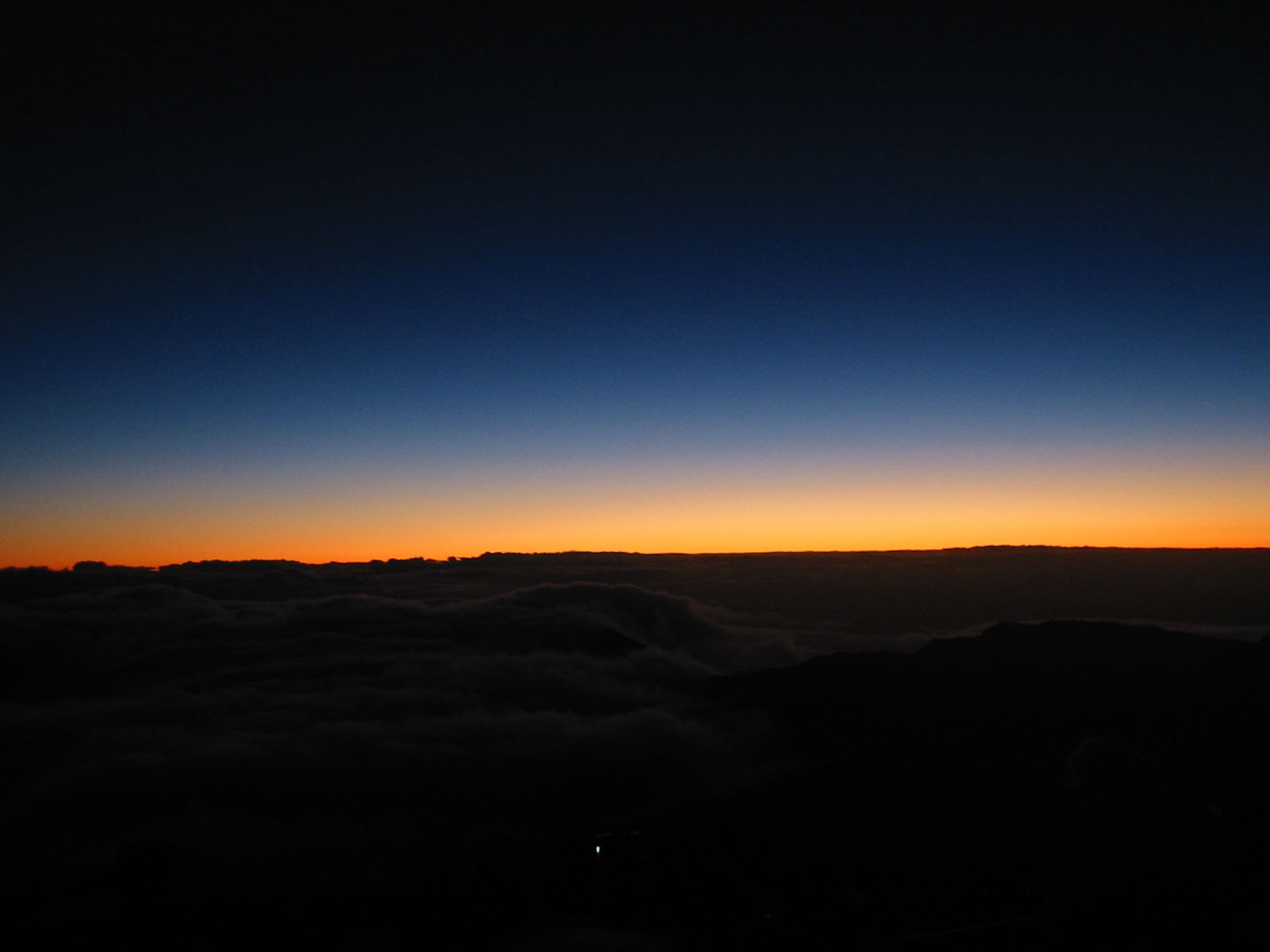
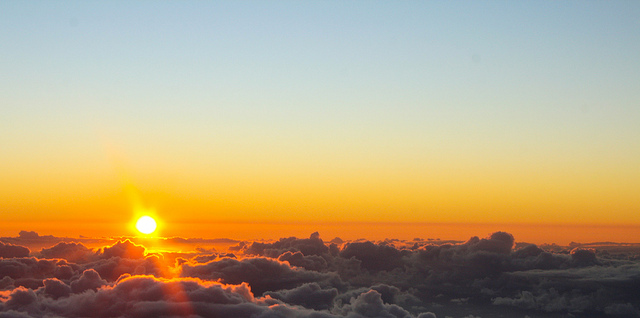
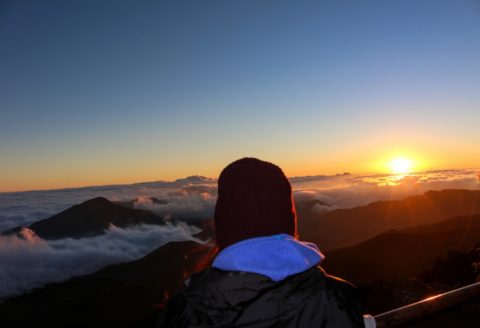
Most visitors to Maui are jetlagged the first few days they are here. So take advantage of automatically waking up early and see the unforgettable Haleakalā sunrise. If you’re at the Summit a little before sunrise, you can also see the amazingly clear sky filled with stars. Watching the Haleakalā sunrise, seeing the explosion of colors as the sun rises above the clouds at 10,023 feet above sea level, is truly awe-inspiring.

Haleakalā sunset.

Of course, the main perk to waiting until the evening to venture up Haleakalā is that you can sleep in. This may be more important to some. However, if you do experience jetlag on your trip, you may want to wait until the end of your Maui vacation when you get adjusted to the time.

haleakala sunset

The sunset on the peak of Haleakalā is also a gorgeous sight. Many like to visit Haleakalā at night not only to view the picture-perfect sunset but also to afterward see the night painted with bright twinkling stars.

“Temperatures immediately before dawn and immediately after dusk are regularly below freezing,” the Haleakalā National Park Service cautions, so both sunrise and sunset will be pretty cold, and you’ll thus need to dress pretty warm.

Overall, many locals will say that the sunset experience on Haleakalā is the best! Being above the clouds when the sunsets over the mountain is unforgettable. The convenience of not getting up early maybe more appealing to some. If you have the chance while in Maui, you should see both of these amazing phenomenon.

How does the Bike Ride Fit Into All of This?

If you opt for the sunrise option, keep in mind it is very crowded and you do need to wake up around 2am to get up the volcano in time. It will be cold so dress warm & bring layers. Since our tour starts at 9am, guests that still want to experience sunrise on their own and save a bundle of money, go up on their own and then drive down immediately following sunrise. It takes about an 1 hour 30 minutes to come down and reach our shop in Paia (Leave no later than 7:30am, keep in mind everyone will be leaving at the same time after sunrise). Once you arrive in Paia, Park your car for the day and we will shuttle you up for your bike ride.

We used to offer sunrise bike tours for 18 years and concluded offering. To book a sunrise tour with any operator these days will cost you about $200-$220 per person due to changes within the National Park system! Our tour is only $70. We share with our guests the option to catch the sunrise on your own for a $25 park entrance fee per car and a $1.50 online reservation fee through the National Park website. (book ahead! or better yet – do sunset!) Save $265+ and do sunrise or sunset on your own and have a more personal experience at the summit.

Haleakala SunriseFurthermore, when you do a sunrise/summit downhill option, you have to get back in the shuttle van and drive down to 6500ft’ where all bike tours are Permitted to start and that is where we begin our ride…(right outside the National Park entrance.) You don’t get to bike down from the summit! We offer the longest self-guided downhill, with the least amount of climbing. We are the only physical bike shop for the Downhill bike tour in Paia.

Riders are often groggy and sleepy while biking which isn’t safe. You will be biking down with all the sunrise traffic coming down the mountain as well as local rush hour and for some that can be a little unnerving. With our ride beginning later, there are less cars on the road which makes it safer and a more comfortable ride down. Also most of the shops & restaurants that you get to explore on our self-guided tour will be closed in the early morning during the sunrise rides which is only part of the reason we believe that the sunset tour beats the Haleakala sunrise bike tour.

For the sunset option, finish your bike ride leisurely. Enjoy Paia and the beaches after the ride…and then drive up and watch the sunset. Bring a towel, warm clothes, beverages of choice, Hawaiian picnic and watch the spectacular sunset! You can enter the park an hour early and explore the park, hike around a bit and see it more than you would at sunrise.

It’s also warmer at the crater than it will be waiting for the sun to rise. You can look up at the volcano and see if the weather is to your liking to view the sunset! Keep in mind all the sunrises and sunsets are 50/50 that you will have incredible views due to our tropical weather and clouds that come through. At least for sunset you can decide if it’s worth it but for sunrise it’s all or nothing, due to your reservation and it’s dark so you can’t totally see the weather. It will be cold once the sun begins to set so dress warm & bring layers.

(First photo by Courtney Collison via Flickr)

(Second photo by Divya Thakur via Flickr)

So what’s the best way to see Haleakala? Sunrise or Sunset? We recomment you experience the wonders of the Haleakala downhill bike tour and save yourself some money by visiting the sunset afterwards.